When an insurer looks at a damaged car, they're not just tallying up repair costs. They're weighing those costs against what the car was worth before the accident, and that's where age and condition become the deciding factors in whether your vehicle gets fixed or written off.
The motor trade has shown consistently how these assessments play out, from gleaming showroom motors to well-loved family cars. The truth is, a five-year-old hatchback with 80,000 miles faces a very different calculation than a two-year-old executive saloon, even if the damage looks identical. The maths changes completely based on what the car was worth before it ever saw a workshop.
At RAW2K, we process thousands of write-off vehicles annually, and understanding how insurers apply vehicle condition grading makes the difference between a fair outcome and a disappointing settlement.
How Pre-Accident Value Determines Everything
The pre-accident value (PAV) sets the ceiling for any repair decision. Insurers typically write off a vehicle when repair costs exceed 50-70% of its value, though the exact threshold varies by insurer and category. A 2015 Ford Focus worth £6,000 before an accident gets written off if repairs hit £4,000. That same repair bill on a 2020 BMW 3 Series is worth £22,000? The insurer fixes it without hesitation.
Age directly impacts this calculation because depreciation never stops. A car loses roughly 15-20% of its value in the first year, then about 10% annually after that. By year five, most vehicles are worth less than half their original price. This means older cars reach the write-off threshold far more quickly than newer ones, even with relatively minor damage.
Condition before the accident matters just as much. An immaculately maintained 2016 vehicle with full service history and low mileage commands a higher PAV than an identical model that's been neglected. The difference might be £2,000-3,000, which can push a borderline case from economical repair into write-off territory.
The Four Write-Off Categories and Where Age Fits
UK insurers classify write-offs into four categories, and vehicle condition grading plays a different role in each assessment:
Category A: Total Destruction
Category A vehicles suffered such catastrophic damage that every part must be crushed. Age becomes irrelevant here, the car is dangerous regardless of whether it rolled off the production line last month or ten years ago.
Category B: Salvage for Parts
Category B write-offs can have parts salvaged, but the shell must be destroyed. You'll often find younger vehicles here after severe front-end collisions. The engine, gearbox and electronics might be worth thousands, making them valuable for parts even though the structure is compromised.
Category S: Structural Damage
Category S (formerly Cat C) indicates structural damage that's repairable but not economically viable for the insurer. This is where age becomes crucial. A three-year-old car with structural damage often gets repaired by the owner or sold at auction for rebuilding. A twelve-year-old car with identical damage? Straight to vehicle auctions, because the PAV makes repair pointless.
Category N: Non-Structural Damage
Category N covers non-structural damage, such as electrical systems, interior, or cosmetic issues. Older vehicles dominate this category because even moderate damage costs more to fix than the car's worth. A failed airbag system might cost £1,500 to replace properly, which writes off a £4,000 car but barely dents the value of a £15,000 one.
How Insurers Calculate Condition
Condition assessment goes far beyond a quick visual inspection. Insurers examine service history, MOT records, existing wear and damage, and mileage relative to age. A 2017 car with 120,000 miles gets valued differently than one with 35,000 miles, even if both present identically.
Pre-Existing Damage Impact
Pre-existing damage significantly impacts valuations. That kerbed alloy wheel or car park dent from six months ago? The insurer deducts its repair cost from the PAV. If your car already had £800 worth of cosmetic damage before the accident, that comes straight off the settlement figure.
Mechanical Condition Assessment
Mechanical condition matters enormously. An older car with recent major work, new clutch, timing belt, suspension components, holds value better than one approaching these service intervals. Insurers know that a buyer will pay more for a vehicle with fresh mechanicals, so they factor this into the PAV. Regular maintenance directly affects how insurers assess and value your vehicle in write-off scenarios.
A colleague once worked with a customer who'd meticulously maintained a 2010 Mercedes E-Class. Full dealer history, new tyres, recent brake overhaul, immaculate interior. After a rear-end collision, the insurer valued it £2,800 higher than their initial automated assessment because the condition was exceptional. That difference saved it from being written off.
The Tipping Point for Different Age Groups
0-3 Years Old
These vehicles rarely get written off unless the damage is severe. Their high PAV means repair costs need to reach £15,000-25,000 before write-off becomes likely. Even significant structural damage often gets repaired because the post-repair value still justifies the investment.
4-7 Years Old
This is the battleground zone. These cars have depreciated substantially but still hold enough value to make repair viable for moderate damage. A £8,000 repair bill might write off a 7-year-old car but save a 4-year-old one. Vehicle condition grading becomes the deciding factor here more than any other age bracket.
8-12 Years Old
Write-offs become increasingly common. Even relatively minor damage, such as a crumpled bonnet, damaged headlights, and a tweaked radiator support, can total these vehicles. The maths simply doesn't work when the PAV sits around £3,000-5,000, and repairs cost £2,500 or more.
12+ Years Old
Almost any damage beyond cosmetic scratches risks write-off status. These vehicles appear frequently in car auctions as Category S or N, bought by DIY enthusiasts or small garages who can repair them cheaply. The low purchase price makes them viable projects, even though insurance economics condemned them.
Why Repair Costs Hit Older Cars Harder
Modern vehicles are expensive to repair, full stop. But older cars face additional challenges that inflate costs relative to their value. Parts availability becomes problematic after about eight years, with genuine components often discontinued or expensive to source. Labour costs remain constant regardless of the car's age; a technician charges the same hourly rate to fix a 2015 or 2023 model.
Paint and Finishing Challenges
Paint matching becomes more difficult on older vehicles. Faded or oxidised paint requires blending across multiple panels to achieve an acceptable finish, adding labour hours and material costs. On a newer car, this extra expense is justified by the high PAV. On an older one, it pushes the repair over the write-off threshold.
Modern Safety Systems Complexity
Modern safety systems complicate repairs enormously. A front-end collision on a 2018 car might damage radar sensors, cameras, and electronic control units that require specialist calibration after replacement. These costs easily exceed £1,000-2,000 before you've even touched the bodywork. When the entire car is worth £8,000, you're already at 25% of its value before fixing the visible damage. This technological challenge is why age and condition assessments have become increasingly complex.
The Condition Documentation That Protects You
Smart owners document their vehicle's condition regularly, especially as it ages. Photographs of the exterior, interior, and engine bay create a baseline that proves the car's state before any incident. Service receipts demonstrate mechanical condition and recent investment.
MOT History Verification
MOT history provides independent verification of condition over time. Insurers access this automatically, but you should review it yourself. A string of clean passes with only advisory notes shows good maintenance. Multiple failures or consistent warnings about the same issues suggest neglect, which depresses the PAV.
Modifications and Upgrades
Modifications require special attention. That upgraded stereo, alloy wheels, or performance exhaust adds value if properly documented and declared. Without proof, insurers ignore them in valuations. Owners can lose thousands because they couldn't prove the specification of aftermarket parts they'd fitted.
Recent Work Documentation
Recent work deserves particular emphasis. If you've just spent £1,200 on new suspension components or £800 on tyres, tell the insurer immediately. They should add this to the PAV because any buyer would pay more for a car with fresh parts. Keep receipts for everything, they're your evidence when negotiating valuations and challenging write-off assessments. The help section provides additional guidance on documentation requirements.
When Age and Condition Create Auction Opportunities
Write-offs don't disappear. They flow through to salvage auctions where their age and condition determine buyer interest and final prices. This is where the assessment process comes full circle, because auction buyers are making exactly the same calculations insurers made just with different economics.
Younger Category S Vehicles
Younger Category S vehicles attract serious bidding from repair specialists and body shops. A 2019 car with structural damage but a PAV of £18,000 might sell for £8,000-10,000 at auction. The buyer knows they can invest £5,000 in proper repairs and still make a profit, or repair it to keep and save significantly, versus buying retail.
Older Category N Vehicles
Older Category N vehicles dominate salvage auctions because they're perfect for DIY buyers. A 2013 car written off for electrical issues or cosmetic damage often sells for 30-40% of its pre-accident value. Someone with mechanical skills and patience can fix these issues cheaply and end up with reliable transport for a fraction of retail cost.
Condition in the Auction Environment
Vehicle condition grading becomes even more critical in the auction environment. Buyers can inspect vehicles before bidding, and they're looking for the same things insurers examined. A well-maintained older car with one specific area of damage gets competitive bidding. A neglected car with the same damage sells for scrap value because buyers assume hidden problems. Browse featured auctions to see how condition affects pricing.
Commercial Vehicles
Commercial vehicles follow different patterns. Vans and trucks depreciate more slowly than cars, so age impacts write-off decisions less dramatically. A 2015 van might still be worth £8,000-10,000 because of commercial demand, making repair viable when an equivalent age car would be written off. Browse van auctions and you'll notice fewer Category S or N vehicles than in car sales they get repaired instead.
The Grey Area Where Owners Can Intervene
Not every write-off decision is final. When repair costs sit near the write-off threshold say 65% of PAV you can sometimes negotiate. If you can prove the condition was better than the insurer assessed, or if you've recently invested in the vehicle, you might push the PAV high enough to make repair economically viable.
Buying Back Your Write-Off
Alternatively, you can buy the vehicle back from the insurer at salvage value. This works brilliantly for Category N write-offs where the damage is cosmetic or easily repairable. The insurer pays out based on the PAV minus the salvage value. You keep the car, and you can either repair it yourself or auction your vehicle to recoup some costs.
This strategy works best with older vehicles in good condition. A well-maintained 2014 car written off for minor damage might cost £2,000 to buy back from the insurer. Spend £1,000 on repairs using aftermarket parts and DIY labour, and you've saved yourself £5,000 versus buying a replacement. The Category N marker affects resale value, but if you're keeping the car for several more years, that's irrelevant.
What This Means for Buyers and Sellers
Understanding how age and condition drive write-off assessments helps both buyers and sellers make smarter decisions. If you're selling a well-maintained older car, documentation of its condition adds hundreds or even thousands to its value. Service history, MOT passes, and evidence of recent work all contribute to a higher PAV if the car is later damaged.
Smart Buying Strategies
Buyers browsing all cars should focus on vehicles where age and condition work in their favour. A younger Category S car with clear damage history and proper repair documentation often represents better value than a cheap older car with unknown history. You're paying for transparency and verifiable conditions. Register to access detailed condition reports on available vehicles.
Insurance Considerations
For vehicles approaching the 8-10 year mark, consider how age affects insurance economics. Comprehensive coverage might not make financial sense when any moderate damage results in write-off. Third-party policies become more appropriate, and you accept the risk that a collision means buying another car rather than repairing yours.
The Future of Age and Condition Assessments
Modern technology is changing how insurers assess vehicles. Automated valuation systems now pull data from thousands of sales to calculate PAV more accurately than ever. They factor in specific options, mileage, location, and condition automatically, making the process faster but also more rigid.
Telematics and Connected Data
Telematics and connected car data might soon influence condition assessments directly. If your car reports its own service history, fault codes, and driving patterns to the insurer, they'll know its exact mechanical condition before an accident even happens. This could help well-maintained cars get higher valuations, but it might hurt those with deferred maintenance.
Electric Vehicle Considerations
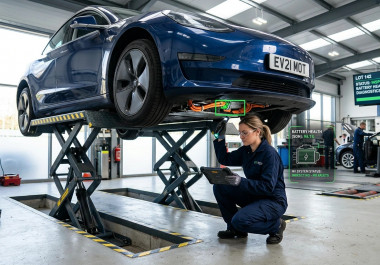
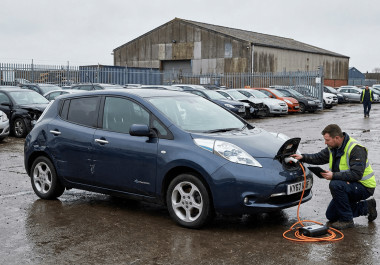
Electric vehicles are introducing new variables into age and condition calculations. Battery degradation affects value significantly, but assessment methods are still developing. A five-year-old EV might have 85% battery capacity or 95%, and that 10% difference could mean thousands in PAV variation. Expect write-off thresholds to evolve as insurers figure out how to value ageing electric vehicles accurately.
Understanding the Connection
Age and condition aren't just factors in write-off assessments they're the primary drivers of every decision insurers make about damaged vehicles. A car's years and its state before an accident determine its value, which sets the ceiling for economical repair. Everything else flows from that fundamental calculation.
The relationship between age, condition, and write-off categories creates the entire salvage auction market. Vehicles that aren't worth repairing for insurers become opportunities for buyers who can repair them more cheaply or who value them differently. Understanding this relationship helps you navigate both sides of the equation, whether you're facing a write-off decision or looking for value in the auction market.
Take care of your vehicle, document its condition, and understand how insurers will assess it if the worst happens. The difference between a write-off and a repair often comes down to evidence of good maintenance and accurate valuation. In the salvage world, knowledge really is worth money. Contact us to learn more about how vehicle condition grading affects the vehicles available at auction.