Running a property portfolio isn't cheap. Between maintenance callouts, tenant turnovers, and the endless cycle of inspections, the costs stack up faster than unpaid rent notices. That's why smart landlords and property managers have cottoned on to something the general public often overlooks: salvage vehicles can be absolute goldmines for anyone managing multiple properties.
I've spent decades around motors, and I've seen plenty of property folks walk into auctions looking a bit lost, only to drive away with a van that'll serve them brilliantly for years at half the price of a forecourt equivalent. The trick isn't just buying cheap - it's knowing what you're buying and how it fits your actual needs.
Why Property Professionals Turn to Salvage Auctions
The property game demands vehicles that can handle abuse. You're not looking for something to impress clients at a swanky restaurant. You need a workhorse that'll carry tools, building materials, and the occasional fridge freezer without complaining.
Salvage vehicles tick several boxes that matter to landlords:
-
Lower initial investment: Category N and S vehicles (cosmetic or structural damage that's been repaired) often sell for 30-50% less than their undamaged equivalents
-
Reduced depreciation hit: The vehicle's already taken its biggest value drop, so you're not watching thousands evaporate
-
Fit-for-purpose approach: If it runs well and carries what you need, does it matter if there's a dent in the side panel?
-
Fleet expansion without the eye-watering cost: Multiple properties need multiple vehicles, and salvage auctions make that feasible
The beauty of online vehicle auctions is you can browse what's available without spending half your day driving to physical auction houses. Time saved equals money earned.
What Makes a Vehicle 'Salvage' Anyway?
Let's clear up the terminology because it matters when you're spending your own cash.
When an insurance company decides a vehicle costs more to repair than it's worth (or nearly so), they write it off and assign it a category. Not all write-offs are created equal, though.
Category N vehicles have suffered non-structural damage. Think cosmetic scrapes, damaged electrics, or interior issues. The chassis and frame remain sound. These are often brilliant buys for property work because you're not fussed about a scratched bumper when you're hauling rubble.
Category S (formerly Cat C) means structural damage that's been professionally repaired. The frame or chassis was affected but has been fixed to roadworthy standards. These need more careful inspection, but they can still represent excellent value if the repair work's been done properly.
Categories A and B are scrap-only and can't be returned to the road, so you won't see them at legitimate auctions for roadworthy vehicles.
The Perfect Salvage Vehicle Profile for Property Work
Not every salvage vehicle suits property management. You want something that matches your actual work patterns.
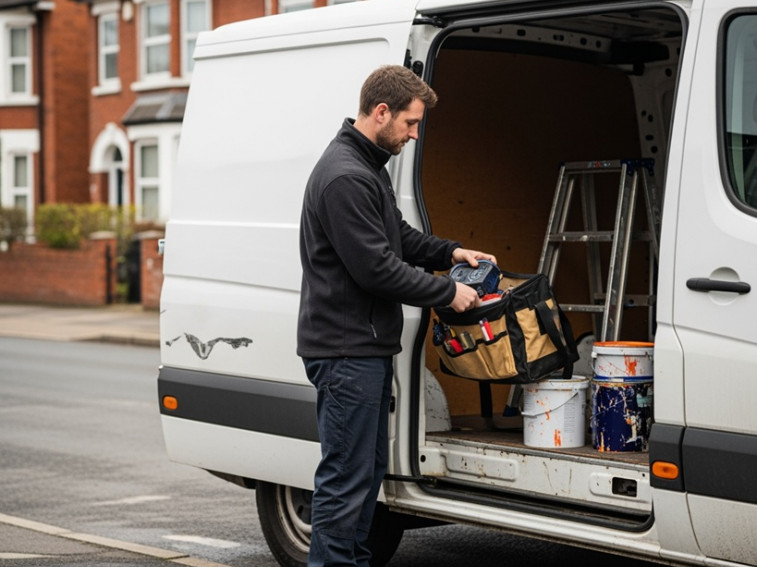
Vans are the obvious choice for most landlords. A decent-sized panel van handles everything from emergency plumbing supplies to furniture removal when tenants leave. When you're sourcing vans for property work, you'll find excellent options at salvage auctions - everything from Ford Transit Custom models to Vauxhall Vivaro and Mercedes Sprinter vehicles.
Look for these features:
-
Payload capacity that handles your heaviest regular loads (tools, paint tins, flooring materials)
-
Fuel efficiency matters when you're covering multiple properties daily
-
Parts availability - stick to common makes like Ford Transit, Vauxhall Vivaro, or Mercedes Sprinter
-
Service history even on salvage vehicles tells you if the previous owner cared about maintenance
I knew a landlord who bought a Category N Transit with a bashed-in rear panel for £4,200. The mechanical bits were perfect, and he didn't care about the cosmetics. That van served him for four years covering 15 properties before he sold it on for £2,800. Try getting that return on a finance deal.
Smaller Properties, Smaller Vehicles
Not everyone needs a full-sized van. If you're managing flats or smaller residential properties without gardens, a Category N car might do the job brilliantly.
Estate cars offer surprising load capacity. You can fit a decent amount of tools and supplies in a Mondeo estate or Passat variant. The running costs are lower than vans, and parking's easier in urban areas.
Some property managers prefer smaller vans like the Vauxhall Combo or Ford Transit Connect. These split the difference nicely - more space than a car, more economical than a full Transit. You'll find these compact options regularly appearing in vehicle auctions - browse current listings to see what's available across different sizes.
The Inspection Process You Can't Skip
Here's where my decades in the trade become useful. Never bid blind. Even at RAW2K where the listings include detailed condition reports and photos, you need to know what you're looking at.
Focus on these critical areas:
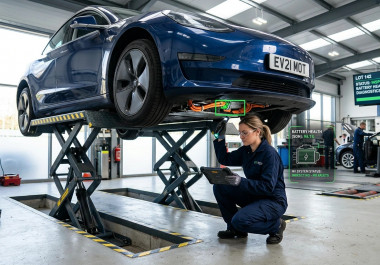
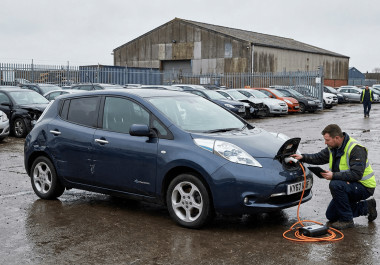
Mechanical soundness trumps everything else. Check the MOT history online using the registration number. Consistent failures on the same issue suggest ongoing problems. A clean MOT history with regular passes indicates proper maintenance.
Structural integrity matters even on Category N vehicles. Look at panel gaps, door alignment, and whether everything opens and closes smoothly. Misaligned panels can indicate hidden frame damage.
Rust is your enemy. Surface rust you can live with, but structural rust in sills, chassis rails, or suspension mounts will cost you dearly. It's also an MOT failure waiting to happen.
Fluid leaks tell you about internal condition. Check under the vehicle in photos for oil, coolant, or transmission fluid stains.
The advantage of buying through proper auction platforms is the transparency. You get detailed damage reports, photos from multiple angles, and often service history. This beats taking a punt on a private sale where the seller might be economical with the truth.
The Real Running Costs Nobody Mentions
Purchase price is just the start. Smart landlords calculate the total cost of ownership before bidding.
Insurance on salvage vehicles can be trickier. Some insurers won't touch Category S vehicles. Others charge premiums 10-20% higher than equivalent undamaged vehicles. Get quotes before you bid - there's no point snapping up a bargain if you can't insure it affordably.
Financing is usually off the table for salvage vehicles. Most lenders won't provide loans against Cat N or S vehicles. This actually works in your favour if you're buying outright because you avoid interest charges.
Resale value will always be lower than a clean-title equivalent. But if you've bought smart and kept the vehicle well-maintained, you can still recover a decent percentage of your initial investment. The depreciation curve flattens significantly after the initial write-off.
Parts and repairs cost the same whether your vehicle's salvage or not. This is why buying common makes matters - you want parts readily available at reasonable prices.
Tax Benefits Property Managers Often Miss
If you're running property management as a business (which you should be), your vehicle becomes a legitimate business expense.
The purchase cost, insurance, fuel, maintenance, and repairs all qualify as allowable expenses against your rental income. Keep meticulous records because HMRC will want evidence if they ever query your returns.
If you're VAT registered, you can reclaim VAT on the purchase price, running costs, and repairs. On a £6,000 van, that's £1,000 back in your pocket immediately.
Capital allowances let you deduct a portion of the vehicle's cost from your taxable profits each year. Even though you bought it cheap, the tax relief still applies.
I'm not an accountant, so contact a qualified professional for specific advice. But the tax advantages of running a dedicated property management vehicle often get overlooked by landlords who use their personal car and claim mileage instead.
When Salvage Vehicles Don't Make Sense
Let's be honest - salvage isn't always the answer.
If you're managing high-end properties where appearances matter, rolling up in a bashed-about van doesn't project the right image. Tenants paying premium rents expect a certain level of professionalism, and your vehicle contributes to that perception.
New landlords with limited mechanical knowledge might struggle to assess salvage vehicles properly. The learning curve can be expensive if you buy wrong. In these cases, a cheap but clean-title used vehicle might serve you better initially.
If you need finance, salvage vehicles won't work. The lending market for Category N and S vehicles is virtually non-existent.
Properties spread across large geographical areas might not suit salvage vehicles if reliability becomes questionable. The last thing you need is a breakdown 50 miles from home when you're heading to an emergency repair.
The Auction Strategy That Works
Buying smart at auction requires discipline. I've watched people get caught up in bidding wars and pay more than the vehicle's worth.
Set your maximum bid before the auction starts. Factor in inspection costs, potential repairs, insurance, and registration fees. Stick to your number regardless of how the bidding goes.
Research comparable vehicles on regular used car sites. This gives you a baseline for what similar vehicles sell for with clean titles. Your salvage purchase should be significantly cheaper to justify the write-off status.
Bid on multiple vehicles rather than fixating on one. Auctions at RAW2K run regularly, so you're not limited to a single opportunity. If you miss out, another suitable vehicle will appear soon.
Time your bids carefully. Jumping in early just drives the price up. Watch how the bidding develops and enter strategically.
Check featured auctions for vehicles that might suit property management work. The featured listings often include particularly good examples with comprehensive documentation.
Post-Purchase Essentials
You've won the auction - now what?
Get the vehicle inspected by a qualified mechanic before you put it to work. Yes, you looked at photos and read the condition report, but a professional inspection catches issues you might miss. Budget £100-150 for a thorough check.
Sort the paperwork immediately. You'll need the V5C logbook updated to your name, valid insurance, and an MOT if the existing one's expiring soon. Don't risk driving without proper documentation - the fines aren't worth it.
Address cosmetic damage if it bothers you. Often, Category N vehicles have superficial damage that's purely aesthetic. A local body shop can fix minor dents and scratches for a few hundred quid if you want the vehicle looking smarter.
Service it properly even if the previous owner didn't. Fresh oil, filters, and fluids give you a known baseline. You'll know exactly what condition the vehicle's in mechanically.
Building a Property Management Fleet
Multiple properties often justify multiple vehicles. Salvage auctions make fleet building financially viable for smaller landlords.
Consider specialising vehicles for different tasks. A smaller van for routine inspections and minor repairs, plus a larger vehicle for major jobs and tenant moves, gives you flexibility without massive capital outlay.
Stagger your purchases rather than buying everything at once. This spreads the cost and lets you learn from each purchase. Your third salvage vehicle will be a smarter buy than your first because you'll know what to look for.
Some property managers buy project vehicles - more heavily damaged salvage that needs work but offers massive savings. If you've got mechanical skills or know a trusted garage, this approach can deliver incredible value. Just ensure you've got another vehicle available while repairs happen.
For major renovation projects, pickup trucks offer excellent value and capability. These commercial vehicles combine serious load capacity with reasonable running costs, making them perfect for property managers handling substantial building work.
The Insurance Conversation You Need to Have
Finding insurance for salvage vehicles requires more effort than standard cover, but it's absolutely doable.
Specialist insurers understand salvage vehicles and price accordingly. They'll want details about the damage, repairs completed, and current condition. Be completely honest - lying on an insurance application voids your cover.
Agreed value policies work well for salvage vehicles. You and the insurer agree on the vehicle's worth upfront, avoiding arguments if you need to claim.
Business use cover is essential if you're using the vehicle for property management. Standard social and commuting policies won't cover you for business activities, and insurers will refuse claims if you're not properly covered.
Multi-vehicle policies can reduce costs if you're running several vehicles. Some insurers offer discounts for fleet policies even on relatively small numbers.
Making Salvage Vehicles Work Long-Term
The real test isn't buying smart - it's keeping the vehicle running economically for years.
Preventative maintenance costs less than reactive repairs. Service the vehicle according to manufacturer schedules, not when something breaks. This approach extends vehicle life significantly.
Keep detailed records of all work completed. This helps when you eventually sell the vehicle, and it's essential for tax purposes if you're claiming business expenses.
Address issues immediately rather than letting them worsen. That small oil leak becomes a failed engine if ignored. The squeaking brake becomes a seized calliper. Fix problems when they're cheap.
Clean and protect the vehicle regularly. Dirt and road salt accelerate rust, particularly on vehicles that might already have paint damage. A monthly wash takes 20 minutes and adds years to the vehicle's life.
Conclusion
Salvage vehicles offer property managers and landlords a practical route to affordable, fit-for-purpose transport. The savings compared to buying clean-title equivalents can be substantial, and for work vehicles that prioritise function over form, the salvage status rarely matters.
The key is buying smart - understanding what you're getting, inspecting thoroughly, and ensuring the vehicle suits your actual needs. Category N vehicles in particular represent excellent value for property work, where cosmetic damage is irrelevant and mechanical soundness is everything.
Done properly, a well-chosen salvage vehicle will serve you reliably for years while costing significantly less than conventional alternatives. The money saved goes straight back into your property business or your pocket. That's the kind of return that makes sense in any market.
Browse current listings to see what's available, and remember that auctions run throughout the week. Whether you need a full-sized van for major projects or a smaller vehicle for routine property management, there's likely something suitable coming up soon. The question isn't whether salvage vehicles work for property management - it's why you'd pay more for something that does the same job. If you need guidance finding the right vehicle for your specific property management needs, contact us.