When it comes to car auctions, the starting bid is far more than just a number; it's the first move in a psychological game that sets the tone for the rest of the bidding process. Whether bidding on a used vehicle or browsing through the latest motorcycle options, the psychology of starting bids plays a pivotal role in influencing how bidders perceive value, engage with others, and ultimately decide how much they're willing to spend.
The first offer made in an auction can have an outsized impact on how the rest of the bidding unfolds. Exploring the psychology behind starting bids and first offers in car auctions, focusing on key psychological principles such as the anchoring effect in auctions and the tactics that savvy bidders use to gain advantage from the outset, reveals crucial insights for auction success.
The Psychology of Starting Bids: Setting the Stage for the Auction
In car auctions, the starting bid is often more than just a random figure. It's a calculated number that plays a strategic role in shaping the entire auction experience. Understanding opening bid psychology is rooted in behavioural economics and how the human mind works when it comes to numbers.
The starting bid can either draw bidders in or cause them to hesitate. When the starting bid is set too high, it can scare off potential buyers, as it may seem like the auction is priced out of their reach. Conversely, a starting bid that's too low might make bidders wary about the quality or authenticity of the vehicle.
Progressive platforms design vehicle starting bids to attract a wide range of potential buyers without deterring them. As different auction categories are explored through vehicle auction platforms, starting bids are set to balance competition and value perception.
The Role of the Starting Bid in the Bidding Process
The starting bid serves as an entry point into the auction, and it can significantly influence the level of interest from other participants. There are several ways the starting bid impacts how an auction will proceed:
Psychological Expectations: A low starting bid can create the impression of a bargain, encouraging bidders to participate. This can lead to a higher volume of bids, which increases the competitive nature of the auction.
Perceived Value: Conversely, a high starting bid can signal to participants that the vehicle is of higher quality or more desirable, setting a benchmark for what the seller expects. This can encourage serious bidders but may exclude those who are not willing to meet that price.
Strategic Positioning: Some bidders may hold back from bidding early on, waiting for the price to rise, only to enter with a strong offer when they feel the auction has reached a more reasonable point.
Those interested in two-wheel options can explore motorcycle auctions where similar starting bid dynamics influence bidding behaviour.
The Anchoring Effect in Auctions: How Starting Bids Influence Future Offers
One of the most powerful psychological principles at play in car auctions is the anchoring effect in auctions. This cognitive bias occurs when the first number a bidder sees (the starting bid) sets a mental reference point for the rest of the auction.
What Is the Anchoring Effect?
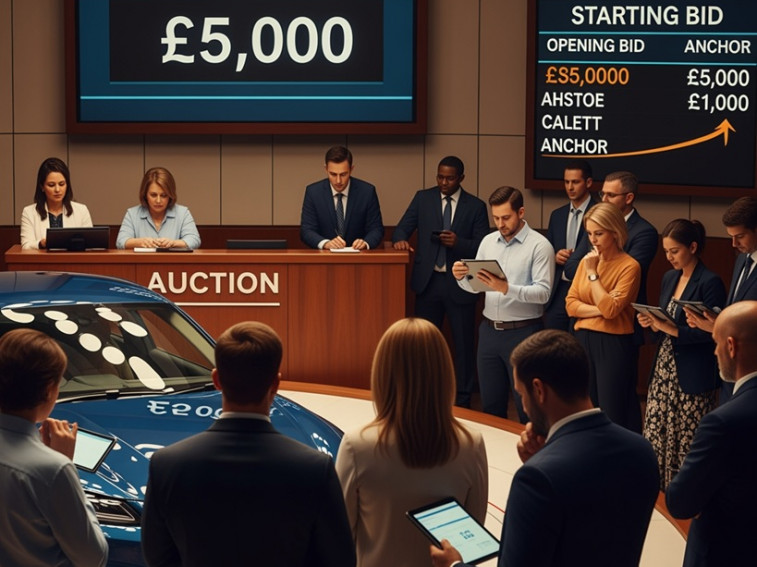
The anchoring effect refers to the tendency for people to rely heavily on the first piece of information they encounter when making decisions. In the context of auctions, the starting bid acts as an anchor that influences all subsequent offers. If the starting bid is set at £5,000 for a car, bidders may see that price as the "baseline" for what the car is worth, regardless of its true market value. As a result, subsequent bids often remain around that initial figure.
For instance, if a vehicle is listed with a starting bid of £3,000 through platforms like RAW2K, many participants might automatically assume that the car is worth approximately that amount, even if its value could actually be higher or lower. This initial anchor shapes their bidding strategies, leading them to adjust their offers based on the perceived value set by the first bid.
How the Anchoring Effect Impacts Bidders
The anchoring effect in auctions can lead to some interesting psychological dynamics during the bidding process. Bidders may find themselves "stuck" on the starting bid, either overestimating the true value of the vehicle or underestimating the potential for a deal. For example, if the starting bid is set high, bidders may become reluctant to offer significantly less, as they feel it would be unreasonable to go below the initial anchor.
On the other hand, if the starting bid is set low, bidders may assume they are getting a great deal, even though the vehicle may have hidden costs or issues that could drive the final price much higher. This is why understanding opening bid psychology is crucial for both buyers and sellers alike.
Those seeking commercial vehicles can explore van auctions where business-focused evaluations often help balance anchoring effects with practical assessment.
The Strategy of Making the First Offer: How to Use Psychology to Advantage
The first offer in an auction can be a critical moment, not just for the seller but also for the bidders. Making an early bid can help set the tone for the entire auction, and understanding the psychology behind it can provide bidders with a psychological advantage. Here are some strategies that savvy bidders use when making the first offer:
1. Establish a Competitive Edge Early
Making the first bid in an auction can send a powerful psychological message to other participants. It establishes someone as a serious bidder, and it may even discourage other buyers from entering the auction. This can be especially effective in competitive environments where bidders may be eager to avoid drawing attention to themselves.
2. Set the Anchor with a Strong First Bid
By making a reasonable but firm first offer, influence over the range of subsequent bids becomes possible. If a first bid is strategic and close to the market value of the vehicle, it may cause other bidders to follow suit, making smaller, incremental offers rather than jumping to high bids.
3. Avoid Overcommitting Too Early
Whilst setting the tone with the first offer is important, overly aggressive bids too early in the auction must be avoided. If the bar is set too high, other bidders may gain the impression that desperation exists to secure the vehicle, which could lead them to push the price higher.
It's crucial to maintain control and remain calm, as emotional decision-making can be costly. By staying patient and observing how others react to initial bids, strategies can be adjusted accordingly.
Exploring comprehensive car listings allows for market research that helps establish appropriate opening bid strategies.
The Seller's Perspective on Starting Bids
Setting Strategic Opening Prices
Sellers face the challenge of setting starting bids that attract bidders whilst protecting minimum acceptable values. Too high and participation drops; too low and perceived value diminishes. The optimal starting bid typically falls between 60-80% of estimated market value, creating room for competitive bidding whilst establishing a reasonable floor.
Understanding the psychology of starting bids from the seller's perspective involves recognising how different opening prices affect different bidder segments. Conservative bidders may be attracted to moderate starting bids, whilst bargain hunters respond to lower opening prices.
Reserve Prices and Starting Bids
The relationship between starting bids and reserve prices creates additional psychological complexity. A starting bid set well below the reserve can encourage participation and competitive escalation, but may frustrate bidders if the reserve isn't met. Transparent communication about reserve policies helps manage expectations whilst still leveraging the anchoring effect.
Countering the Anchoring Effect: Advanced Bidding Strategies
Pre-Auction Research
The most effective way to counter the anchoring effect in auctions is thorough pre-auction research. Understanding true market values, recent comparable sales, and vehicle condition reports provides independent anchors that compete with the stated starting bid. Armed with this knowledge, bidders can resist inappropriate anchoring and make value-based decisions.
Mental Preparation Techniques
Before entering an auction, establishing independent value assessments helps resist anchoring effects. Writing down maximum acceptable prices, researching comparable sales, and consulting with knowledgeable advisors all create alternative mental anchors that reduce the influence of starting bids.
Delayed Entry Strategy
Some experienced bidders deliberately avoid seeing starting bids or early auction activity, entering only when prices approach their predetermined value ranges. This strategy minimises anchoring effects by preventing exposure to potentially misleading initial price signals.
Why Understanding Starting Bids Is Key for Both Buyers and Sellers
Understanding the psychology of starting bids is crucial whether someone is a first-time bidder or an experienced auction professional. As a buyer, knowing how the starting bid sets the stage for the auction allows for mental preparation, offer planning, and strategic positioning. As a seller, setting the right starting bid is critical for attracting the right type of bidders and encouraging healthy competition.
For those ready to participate in auctions, exploring different categories and regional options helps identify opportunities that match specific needs and interests.
Conclusion: Master the Psychology Behind Starting Bids to Gain the Upper Hand
In the world of car auctions, the starting bid is more than just a number - it's a psychological lever that can influence the entire bidding process. The anchoring effect in auctions plays a crucial role in how bidders perceive value and make their offers. By understanding opening bid psychology, both buyers and sellers can better navigate the auction environment and make more informed decisions.
As preparation begins for entering an auction, remembering that the starting bid sets the stage for everything that follows proves essential. Whether bidding on cars, motorcycles, or vans, knowing how to use psychological principles to advantage can make all the difference in securing the best deals.
For questions or assistance with understanding auction dynamics and developing effective bidding strategies, support is available to provide guidance through the strategic world of car auctions with awareness and control.