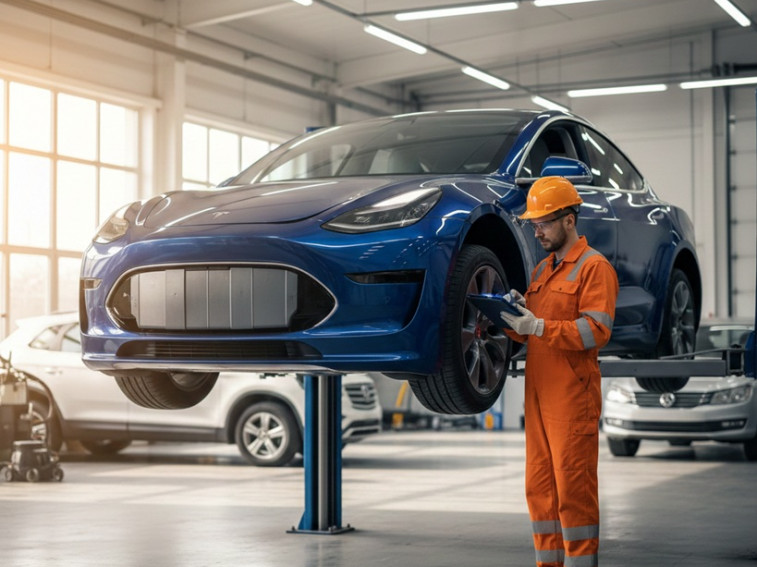
The rise of electric vehicles (EVs) has introduced a powerful new dynamic to the vehicle auctions landscape, particularly within the salvage sector. While traditional internal combustion engine (ICE) cars are primarily valued based on body and engine damage, EV write-offs are fundamentally different. The high cost and complexity of the battery pack mean that relatively minor incidents can result in the entire vehicle being classified as a write-off. This critical distinction is driving a significant transformation, creating unique and potentially lucrative EV salvage opportunities for expert dealers, dismantlers, and repair specialists. Understanding this shift is key to maintaining a competitive edge in modern online vehicle auctions.
Understanding the Economic Realities of EV Write-Offs
Electric vehicles challenge the traditional economic models used by insurers to assess damage. In many cases, the high-voltage battery system alone can represent up to half the car's total value when new. Consequently, even damage that appears minor on the bodywork can necessitate a deep inspection of the battery pack. If the repair cost for the battery, combined with other repairs, exceeds a specific percentage of the vehicle's market value, the car is quickly designated as a total loss.
This phenomenon explains the growing number of modern, low-mileage EVs appearing as salvage vehicles. For the insurance industry, it's often more financially expedient to write off the vehicle than to risk the enormous costs associated with battery diagnostics and replacement. For buyers equipped with the right expertise, this presents excellent stock through salvage vehicle auctions, as these EV write-offs often have perfectly good motors, inverters, and interior components. The emergence of these vehicles is changing where the value lies within a damaged vehicle.
The Critical Role of Battery Health in EV Write-Offs
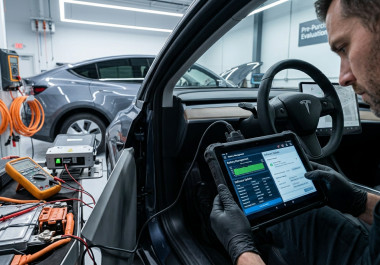
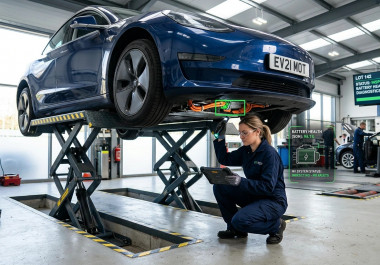
The battery pack dictates the fate of a damaged electric vehicle. Any physical trauma to the chassis near the battery housing, or even significant thermal exposure, immediately triggers a safety-first approach from insurers. The battery pack health assessment procedures are highly specialised and labour-intensive, contributing to the high write-off threshold. Furthermore, once a battery pack has been compromised, the replacement cost can easily be tens of thousands of pounds, often tipping the financial scales towards salvage.
Dealers need to evaluate whether the vehicle is suitable for component harvesting or full repair based solely on the battery's status. A thorough battery pack health assessment becomes critical at this stage. Category N electric vehicles with minor chassis dents but perfect battery packs are vastly different propositions from Category S vehicles, where the battery itself is damaged. Successful bidding strategies at vehicle auctions must account for this variable, as it is the single largest factor affecting post-auction profitability.
Navigating EV Write-Off Classifications and Value
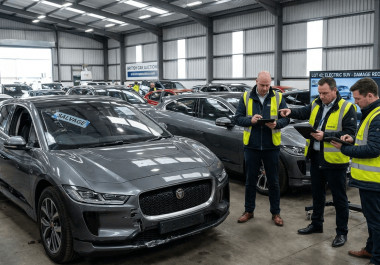
Whilst the rules for Category N (Non-Structural) and Category S (Structural) still apply, their interpretation must adapt for EV write-offs. Category N electric vehicles might have superficial body damage but an intact battery and drivetrain, making them straightforward repairs or excellent parts donors. Conversely, a Cat S EV with battery damage may only be valuable for its non-drivetrain components, such as body panels, interior trim, and infotainment systems. Buyers must scrutinise the listing details and images for indicators of battery intrusion or thermal damage.
The value of an EV write-off is increasingly tied to the ease of harvesting non-compromised parts. Understanding the component harvesting value becomes essential for specialist dismantling facilities that acquire accident-damaged EVs available through regional locations. They are not looking to return the car to the road, but rather to extract and certify high-value components like electric motors, power electronics, and high-end interior modules. This focus on component value is a key trend reshaping the salvage market.
Assessing Profit Potential: The EV Salvage Opportunities
The potential for profit in this sector is substantial, but it requires a strategic approach focused on either highly specialised repair or component reclamation. Vehicles that have suffered only light frontal or rear-end damage often yield perfect side-impact components, motors, and interior modules. These systems are typically less susceptible to impact than the battery pack itself. These EV salvage opportunities exist because the cost-of-repair write-off threshold is lower than the actual component value.
Consider an expert repair garage; they assess an EV write-off by calculating the resale value of its individual, undamaged parts. If the combined value of the motors, suspension components, and undamaged body panels exceeds the auction price and fees, the vehicle becomes an instant source of profitable stock. This systematic approach ensures maximum return and demonstrates true expertise in the modern salvage market.
Safety, Logistics, and Preparation for EV Auctions
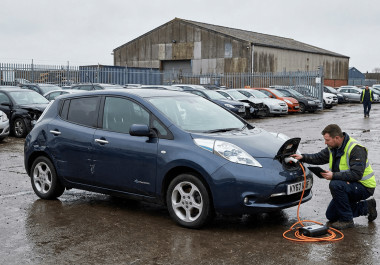
The primary difference between handling traditional and electric salvage vehicles is safety with high-voltage systems. These systems require specialist handling, and ignoring high-voltage system protocols is not only dangerous but potentially catastrophic. All buyers and transport providers must adhere to stringent industry standards for securing and transporting written-off EVs. Never assume a damaged battery is inert; these systems can retain a charge or suffer thermal runaway if mishandled.
Successful participation in EV write-offs requires a prepared logistical chain. You must have access to a flatbed transporter for collection, and the facility where the EV will be stored or dismantled must comply with necessary safety regulations. Ensuring safety compliance is an essential part of the due diligence process for handling electric vehicle auctions.
Essential Safety Protocols for Handling High-Voltage Systems
For dealers and dismantlers, high-voltage system protocols for EVs must become standard operating procedure. Training staff on high-voltage system identification and isolation is non-negotiable. Always treat every EV as if its high-voltage system is live, even if it appears completely shut down. This is much like checking any vehicle for structural issues before a major project begins; preventative caution saves money and prevents accidents.
Key safety guidelines include:
-
Isolation: Always use non-conductive tools and wear appropriate personal protective equipment (PPE).
-
Secure Transport: Use non-conductive strapping materials to secure the vehicle to the transport.
-
Quarantine: Isolate any vehicle with suspected battery damage or fire damage in an open area, away from other stock.
-
Documentation: Maintain records of battery state and damage for legal and compliance reasons.
Ignoring these steps dramatically increases liability and risk, making proper preparation the most important investment when dealing with EV write-offs.
Finding Your EV Inventory: Regional Auction Focus
The platform offers a diverse range of vehicle listings, including a growing portfolio of electric and hybrid write-offs. Since these vehicles are often written off quickly after initial damage, they represent a fast-moving, high-value segment of the market. Dealers should regularly check the auction inventory to capture these EV salvage opportunities as soon as they arise.
The distribution of EV stock may be more concentrated in regions with higher EV adoption rates. By frequently monitoring regional pages, you can secure stock that is conveniently located for collection. Adapting to this new segment means being agile and using the platform's advanced search filters to isolate the specific makes, models, and damage categories of electric vehicles that meet your business needs. For additional guidance, consult the help section for salvage auction support.
Confidently Bidding on the Future of Salvage
The rise of EV write-offs is fundamentally reshaping the salvage market from one focused solely on panel beating and engine repairs to one dominated by high-voltage expertise and component harvesting value. By understanding the unique economics of EV batteries and implementing strict safety and logistical protocols, you can unlock significant new revenue streams through RAW2K. The EV salvage opportunities available are immense for those who are prepared and informed. Register today and confidently bid on the future of the vehicle salvage market.