For professional buyers, understanding a vehicle's residual salvage value after it's been deemed an insurance write-off is the cornerstone of a profitable operation. It isn't just about the initial auction price; it's about the underlying value locked in the materials, components, and brand desirability. By focusing on specific characteristics, smart buyers can consistently identify the salvage car brands that promise the best return on investment. This expert guide breaks down the complex factors that influence this retained value in the UK auction market.
The Salvage Value Equation: Weight, Prestige, and Parts
When an insurer classifies a vehicle as Category S or N, its value fundamentally shifts from a functioning asset to a source of parts, metal, or a repair project. The value retained isn't purely linked to the car's market price, but rather to the demand for its specific parts and its inherent physical characteristics. Dealers need to calculate these often-hidden values before placing their bids through vehicle auctions.
Why Heavier and Higher-End Vehicles Command More
Heavier vehicles, particularly high-end SUVs and 4x4s, often secure higher scrap or salvage returns due to their sheer material mass. Salvage car brands like Range Rover and BMW frequently top lists for the highest financial returns in salvage sales because they contain more high-grade metals. These premium marques also yield highly sought-after parts, which command strong prices, even after the rest of the car is written off. This structural value provides a robust floor for the bidding price.
The Critical Factor of Parts Availability and Cost
For a repairable write-off, profitability is entirely dependent on the cost and availability of replacement parts. Vehicles from manufacturers with high production volumes and large dealer networks generally offer cheaper and more accessible components. Conversely, some luxury models retain value because their parts, whilst expensive, are in constant, specialised demand. You must always budget for the necessary components before bidding on any lot available through all cars listings.
Identifying the Brands Dealers Prefer for Profitability
Dealers typically approach the salvage market with two distinct strategies: repairing high-volume vehicles for quick resale, or refurbishing high-value premium vehicles for a substantial margin. The brands dealers prefer often fall into one of these two strategic camps, each offering a reliable pathway to profit through salvage vehicle auctions. Successful dealers know which salvage car brands fit their repair capabilities and their target customer base.
High-Demand Premium Marques
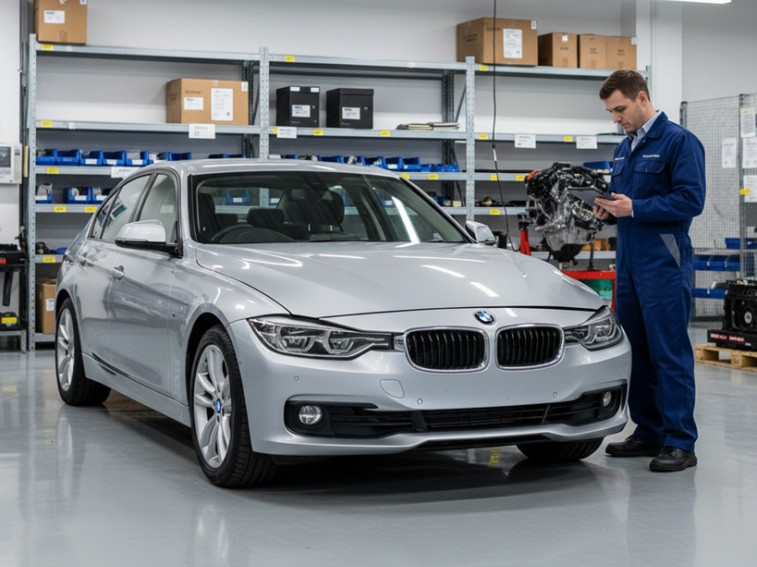
Premium German marques, including BMW and Audi, are consistently among the most in-demand salvage car brands, indicating where brands dealers prefer to invest their refurbishment time. These models appeal to buyers globally and nationally who want prestige at a lower entry price, even with a Category S or N marker. Whilst the components are more costly, the high potential resale value (especially for sought-after models like the Jaguar XF or BMW 3 Series) justifies the Category S repair investment.
High-Volume, Cost-Effective Repairables
At the opposite end of the spectrum, high-volume cars like the Ford Fiesta, Vauxhall Corsa, and Volkswagen Golf offer reliable profitability through sheer ease of repair. These vehicles have excellent parts availability, both new and used, and a huge national customer base. A dealer might purchase a Category N Ford with superficial damage, repair it using inexpensive certified recycled parts, and flip it quickly due to the model's pervasive demand. This strategy relies on rapid turnover and recycled component profitability rather than huge individual margins.
For instance, consider two different write-offs: a Category N Ford Focus and a Category N Mercedes C-Class, both needing only non-structural work like a new bumper and headlight. The cost of parts for the Ford is likely a fraction of the Mercedes, allowing for a quicker, lower-risk repair cycle and faster capital recovery. This predictable repair path makes brands with common parts highly appealing.
Strategic Considerations for Bidding on Write-Offs
Effective salvage buying requires blending market demand knowledge with a disciplined approach to calculating risk. It's not enough to know which vehicles are popular; you must also assess the specific category and damage extent of the unit itself. This detailed evaluation informs your maximum profitable bid.
Before you even participate in an auction event, your maximum viable bid must be established using the maximum bid calculation formula. This number is derived by subtracting the projected total repair costs, auction fees, and the minimum acceptable profit margin from the vehicle's expected clean resale value. This disciplined calculation prevents emotional overbidding in the heat of the moment.
Understanding the Investment Impact of Category N and S
The salvage category profoundly affects the level of investment and the time required for repair. Category N (Non-structural) vehicles typically need less invasive and often cheaper work, making them ideal for high-volume dealers or first-time buyers seeking light repair projects. Category S (Structural) vehicles demand specialist expertise, potentially involving expensive chassis jig work or welding, which requires significant Category S repair investment and severely limits the number of qualified repairers. A dealer focused on light repairs will almost exclusively bid on Category N stock, regardless of brand.
Calculating Your True Maximum Bid
Your maximum bid calculation formula should include:
-
Estimated Resale Price: The expected market value after repair (minus the 'Category' discount).
-
Total Repair Cost: Parts + Labour (always add a contingency of 15-20% for hidden damage).
-
Auction Fees: Buyer's premium, VAT, and administrative fees.
-
Transport Costs: Moving the vehicle from the auction yard (especially critical for non-runners).
-
Target Profit Margin: The minimum return required for your business.
Formula: Max Bid = Resale Price - (Total Costs (Repair + Fees + Transport) + Target Profit)
Case Studies from the Auction Floor
We've seen successful dealers demonstrate a clear preference for certain salvage car brands based on market intelligence. This strategy hinges on anticipating future demand, which is why these top salvage car brands remain highly competitive. A dismantler, for example, will target any high-end German SUV, knowing the engine, gearbox, and technology modules will sell quickly as standalone recycled components. The recycled component profitability from premium vehicles often exceeds whole vehicle repair margins.
For a first-time bidder, the best value often lies in popular Japanese brands like Toyota and Honda available through RAW2K. Whilst they might not yield the highest individual profit margins, their reputation for mechanical durability means that non-structural write-offs generally offer fewer unforeseen complications during the repair process. This low-risk entry point helps build confidence and capital for future, higher-value bids.
Maximising Returns in Regional Auctions
Demand for specific vehicle types varies significantly across the UK. For instance, high-demand economy cars might fetch a slightly better price in dense areas. Conversely, specialist off-roaders or commercial vehicles might see strong competition in areas where they are essential trade tools.
Understanding regional preference is key to strategic buying through the locations network, enabling dealers to source vehicles where competition is slightly lower and sell them where local demand is highest. To explore different vehicle types, specialised bike auctions often reveal these localised pricing opportunities, so always check where the vehicle is physically located.
Building Your Profitable Salvage Business
The successful dealer isn't the one who bids highest, but the one who calculates best. By integrating knowledge of premium German marques with the cost-efficiency of brands favoured by UK high-volume buyers, you're setting a robust commercial foundation. Understanding which salvage car brands deliver the best returns, combined with disciplined bidding based on the brands dealers prefer, creates a sustainable and profitable operation.
Ready to secure the next profitable vehicle for your business? Start reviewing listings and apply these valuation insights when you register for an auction. If you need any specific guidance on calculating repair margins or require assistance with regional sourcing, explore the comprehensive resources available through the platform.