The UK vehicle auction sector is experiencing a significant pivot, moving beyond a purely domestic supply chain to become a vital international source for high-quality, repairable stock. This seismic shift is driven by burgeoning international purchasing power, which is fundamentally reshaping auction values and inventory cycles across the country. For professional trade buyers, understanding the forces behind this immense export demand salvage vehicles phenomenon is essential for maximising procurement opportunities through vehicle auctions. The heightened global activity proves that structurally sound and economically viable UK salvage vehicles are now prime assets in the international marketplace.
The Unique Appeal of UK Vehicles on the International Stage
International buyers are not solely motivated by low prices; they are actively seeking vehicles that possess distinct, high-value attributes characteristic of the UK market. These attributes, including renowned quality, documented maintenance history, and specific driving configuration, offer compelling right-hand drive advantages over competitor stock from other countries. This consistent and robust interest confirms that UK salvage cars go global by catering to the precise needs of targeted overseas markets.
The Right-Hand Drive Advantage
A primary catalyst for the sustained export demand salvage vehicles is the UK's right-hand drive (RHD) setup. The right-hand drive advantages are substantial for nations across Africa, Asia, and Oceania that operate RHD road systems, establishing a readily available buyer base for UK stock. For dealers in these regions, efficiently sourcing RHD salvage cars from the UK is often the fastest and most economical pathway to replenishing their local inventory, ensuring auction listings remain a top priority for international trade buyers.
Quality, Compliance, and Insurance Standards
Vehicles sourced through the UK insurance system adhere to some of the world's most stringent write-off classification protocols. International buyers trust that a Category S (Structural) or Category N (Non-structural) car from the UK comes with an accountable history and a defined classification framework. This transparency is crucial. Detailed condition reports and high-resolution images further support this necessary trust and quality assurance through comprehensive vehicle auctions.
Capitalising on Global Economic Drivers
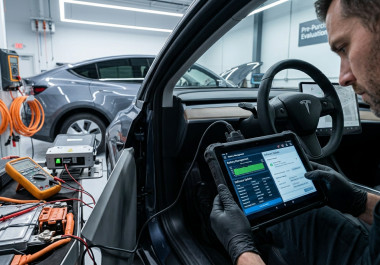
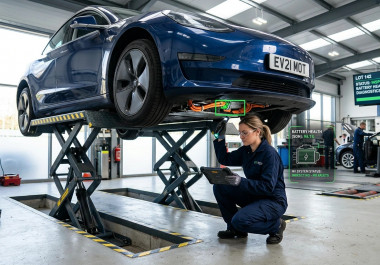
The rapid acceleration of the global market for salvage is firmly rooted in powerful, worldwide economic forces. Factors such as spiralling new car prices, global inflation, and the rising complexity of modern vehicle electronics contribute directly to higher total-loss rates by UK insurers. This economic environment generates a consistent and varied supply of salvage vehicles, which in turn fuels the robust international repair and parts markets.
Sourcing Cost-Effective Repairable Stock and Commercial Assets
In many international markets, the cost of expert labour and repair materials is substantially lower than in the UK. Consequently, a vehicle deemed an economic write-off here (such as a modern car with costly electronic system damage) can be highly profitable overseas. The international dealer acquires the vehicle affordably at auction, ships it abroad, and restores it using low-cost local resources, generating significant margins.
This opportunity extends strongly into the commercial sector. Securing these larger assets at a competitive auction price, even with damage, guarantees excellent returns upon overseas repair and resale.
The Demand for Affordable Parts
Export interest isn't limited to full vehicle restoration. A major segment of export demand salvage vehicles focuses on stripping vehicles for high-value components. The global market for salvage is heavily reliant on a continuous supply of used engines, transmissions, electrical control units, and interior fittings, particularly for common vehicle models in overseas fleets where new parts are scarce or prohibitively expensive. This also applies to smaller assets like scooters and motorbikes sought for high-value engine parts available through bike auctions. Buyers strategically bid on vehicles with intact mechanicals, regardless of the exterior cosmetic damage.
Mastering Export Documentation and Logistics
Executing a successful export transaction requires meticulous planning that goes far beyond securing the hammer price. International trade buyers must establish robust, compliant systems to manage the necessary administrative paperwork and the physical transportation of the purchased stock. Meeting EORI number requirements and working closely with customs brokers and shipping agents is a specialised process that ensures seamless delivery to the final port.
Essential Export Procedures and Paperwork
To legally export any vehicle permanently from the UK, the DVLA permanent export registration process must be completed. The buyer must complete the 'permanent export' section of the V5C (logbook) and send it to the DVLA, retaining the remainder of the V5C for foreign registration. For large-volume commercial exporters, compliance with customs rules is mandatory. The EORI number requirements include obtaining this identifier and preparing commercial invoices for all shipments. Understanding the DVLA permanent export registration requirements alongside export documentation is critical for international buyers participating in UK salvage cars go global trading.
Arranging Efficient Shipping and Collection
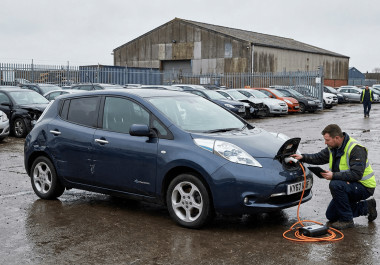
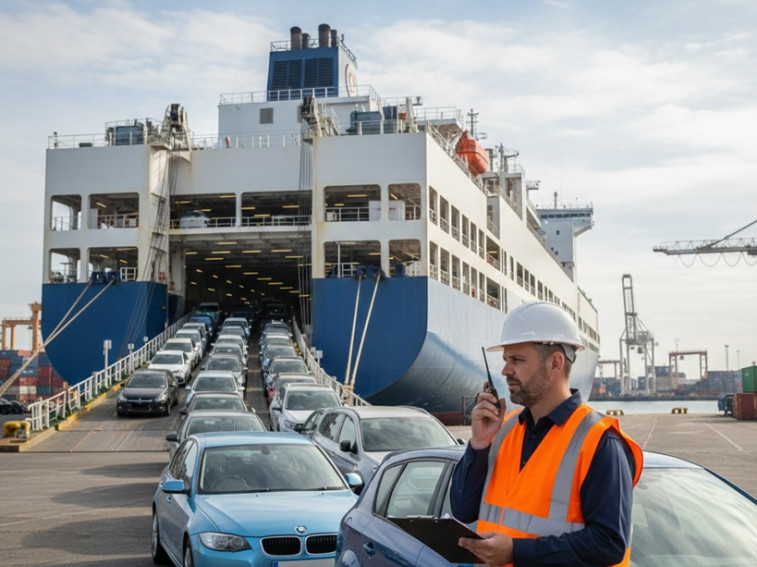
Given that salvage vehicles, especially those classified as Category S or N, are typically not roadworthy, they require specialised transport from the auction depot. Trade buyers must pre-arrange flatbed recovery or loading onto transport trailers immediately following payment. Whether utilising Ro-Ro shipping services for running cars or container freight for non-runners, buyers must engage reliable shipping agents. This careful coordination ensures compliance with international port regulations and prevents costly demurrage delays, which are often compared to an intricate game of logistics chess: every move must be anticipated and executed precisely.
Maximising Stock Acquisition Through Regional Auctions
The platform operates an extensive, UK-wide network of regional auction sites through strategic locations, which is a key advantage for international buyers. These regional depots offer a wide variety and large volumes of insurer-assigned vehicles, perfect for cost-effective bulk purchase and export consolidation using Ro-Ro shipping services or container freight options. Buyers can strategically focus on depots that offer the shortest transit distance to major UK shipping ports whether for Northern European, Mediterranean, or Atlantic trade routes. By spreading their procurement net across regional listings, traders secure the necessary volume and variety to efficiently fill export containers and maximise their profit potential.
Building Your International Salvage Business
The strong, sustained export demand salvage vehicles confirms the intrinsic value and quality of the stock available through RAW2K. For professional trade buyers, the pathway to success involves combining accurate vehicle valuation with seamless shipping logistics and customs compliance. By strategically managing your procurement and registering today, you can efficiently transform damaged assets into highly profitable international stock. Start browsing today to secure the next container of valuable vehicles for your overseas operation.