Few events impact the baseline used electric car value quite as drastically as a fuel crisis. When petrol stations run dry or prices spike overnight, the automotive market shifts with remarkable speed. Vehicles that were previously viewed as niche alternatives suddenly become highly desirable assets.
This pattern has occurred repeatedly in the UK market. However, what many private buyers fail to realise is that the value shift is rarely temporary. It creates genuine, measurable opportunities for professional and private buyers who understand how to navigate the auction landscape.
How Supply Shortages Change Market Dynamics
The consumer behaviour driving this shift is straightforward. When people cannot easily fill their fuel tanks, they immediately begin questioning their reliance on petroleum. Suddenly, a standard electric hatchback that had been dismissed due to minor range limitations looks exceptionally attractive when there is no petrol available to pump anyway.
Demand spikes immediately. This does not happen gradually over weeks; the moment people realise they cannot rely on traditional infrastructure due to fuel supply issues, electric vehicles become the sensible choice. This demand surge affects the used EV market far more dramatically than the new car sector. The logic is simple: a buyer panicking about immediate fuel availability cannot wait six months for a factory-fresh electric car to be delivered. They require an immediate transport solution, and the used market delivers exactly that.
Analysing the Data of Previous Shortages
During the prominent fuel shortage of 2021, used electric car values jumped between 15% and 25% in a matter of weeks. This growth was not gradual or predictable. Almost overnight, three-year-old compact EVs that previously struggled to attract bids at £8,500 were suddenly fetching £10,000, often with multiple buyers competing fiercely.
Similar shifts were observed across premium brands. A 2017 BMW i3 with 60,000 miles could easily sell for £2,000 more than an identical model had achieved just ten days earlier. The condition and specifications were identical; the only variable was the empty fuel pumps across the country.
This pattern repeats itself predictably. Whenever geopolitical tensions push oil prices upward or domestic refinery strikes occur, EV values climb. However, what separates successful buyers from those who lose capital is the ability to understand which vehicles hold genuine intrinsic value and which are simply overpriced panic purchases.
Identifying Practical Models at Auction
Not all electric vehicles are created equal, particularly in a crisis-driven market. Buyers frequently pay inflated prices for electric cars that will depreciate heavily the moment the fuel supply normalises. Conversely, genuine bargains often slip through because the wider market does not fully understand the technical specifications.
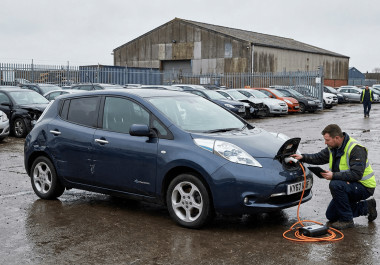
Early Nissan Leafs remain the workhorse of salvage car auctions UK. While the range on older models is modest and they often lack rapid charging capability, they are highly reliable, parts are widely available, and they are generally priced affordably. During fuel shortages, these units sell quickly because they solve the immediate transport problem without requiring a massive capital investment. Renault Zoes sit in a similar bracket, offering practical daily use. Buyers must watch out for battery lease arrangements, however, as some older Zoes separate the battery ownership from the car, requiring a monthly rental payment.
Tesla Model S and Model 3 vehicles command premium prices even in normal markets. During a fuel crisis, their values can rise exponentially. I once watched a buyer pay £28,000 for a 2016 Model S during peak fuel panic. It was a beautiful car with 70,000 miles and a full service history. Two months later, when the petrol stations were flowing again, identical cars were making £23,000 at auction. He lost five thousand pounds due to impatience.
Technical Checks Before Bidding
Buying any car at auction requires diligent research. Purchasing an electric car during a fuel crisis, when prices are inflated and emotions run high, demands even stricter discipline when browsing damaged cars for sale.
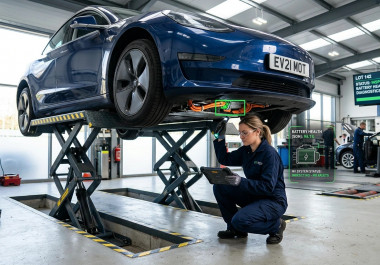
Battery health is the most critical metric. The battery is the single most expensive component, and some level of EV battery degradation is inevitable. Most EVs will lose between 10% and 20% of their original capacity over the first few years, which is entirely normal. What professional buyers watch for is abnormal EV battery degradation. A five-year-old vehicle that has lost 40% of its capacity is not a bargain at any price. If an auction listing does not provide a battery health certificate, buyers must factor a potential professional diagnostic check into their budget.
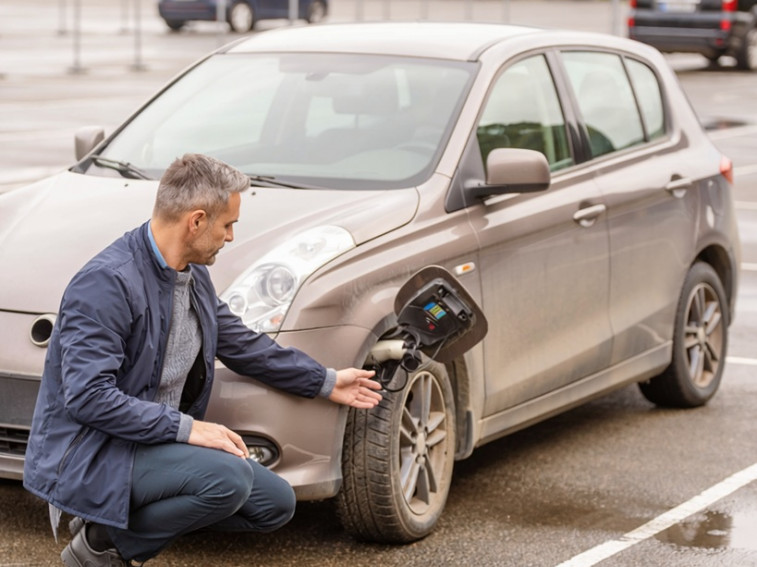
When assessing stock across online vehicle auctions, buyers should note that charging capability also varies wildly between models and production years. Early EVs often maxed out at 3.7kW or 7kW charging, meaning they required an overnight charge from empty. Later models featuring rapid charging capability (50kW+) can add meaningful range in just 30 minutes. This directly affects long-term practical usability and, consequently, the retained used electric car value.
Leveraging Regional Price Variations
Fuel shortages rarely affect the entire country equally. The 2021 crisis hit the South East of England exceptionally hard, while areas in the North barely noticed a disruption. This creates distinct regional price variations that professional buyers frequently exploit when sourcing stock from regional salvage auctions.
A compact EV struggling to find buyers in Scotland might be worth 20% more in the South East during a London-centric fuel panic. The physical vehicle has not changed, but the local demand has skyrocketed. Trade buyers in unaffected areas often secure electric stock at standard market rates, then arrange transport to crisis zones for a quick profit.
For private buyers, this strategy works in reverse. By expanding a search radius to areas less affected by the shortage, buyers can avoid the local panic premium. Tracking these regional price variations ensures buyers do not overpay in a localised seller's market. While arranging transport or a collection truck incurs a fee, saving £2,000 on the initial purchase price easily covers those logistical costs.
Navigating the Post-Crisis Market Correction
Every fuel crisis eventually ends. Supplies normalise, prices drop, and the immediate panic subsides. When that happens, the electric car market naturally corrects itself. The 20% premium paid during the peak of the shortage evaporates, and the car returns to its standard valuation based on age, condition, and mileage.
Buyers who pay peak crisis prices for write-off cars for sale UK often face serious negative equity within months. They are not in negative equity because they bought a bad vehicle; they are in negative equity because they bought a good vehicle at the absolute height of the market panic. This is why buying sensibly, even during a crisis, protects the investment. If a buyer pays fair money for an EV that meets their specific needs, a market correction will not cause financial harm.
The Bottom Line
Looking past the short-term crisis spikes, the underlying trend for used electric car value is genuinely positive. Charging infrastructure improves every year, and running costs remain dramatically lower than petrol or diesel equivalents. Government policies also increasingly favour zero-emission vehicles.
Used EV values have strengthened consistently over the past five years. The periodic spikes caused by fuel supply issues simply accelerate a transition that is already underway. This creates excellent opportunities for buyers, provided they maintain strict financial discipline.
The auction environment rewards preparation. Whether hunting for a daily commuter or securing stock for a commercial fleet, the principle remains identical: buyers must know what they are looking at, understand the true market value, and refuse to let external market chaos override their internal bidding strategy.
To explore the diverse range of available models, buyers can browse the RAW2K platform. Once prepared to participate in the market, simply proceed with auction account creation to begin reviewing current inventory and secure a vehicle that provides genuine long-term value.