The Nissan Leaf changed the automotive landscape when it arrived as the world's first mass-market electric vehicle. More than a decade later, thousands of these pioneer machines are entering the secondary market. Some represent genuine bargains requiring only minor cosmetic care, while others are battery-dead assets that could cost more than their market value to repair. Many first-time electric buyers face difficulties at auction because they treat these cars like traditional petrol models.
The battery is the absolute heart of the vehicle, and its condition dictates the entire value of the asset. If a buyer does not understand what they are looking at, they risk ending up with an expensive project that cannot be used for daily travel. This guide explains exactly what to check before placing a bid on a Nissan Leaf salvage unit. By following these steps, you can secure a reliable car for a fraction of its retail price.
The Legacy and Volume of the Nissan Leaf
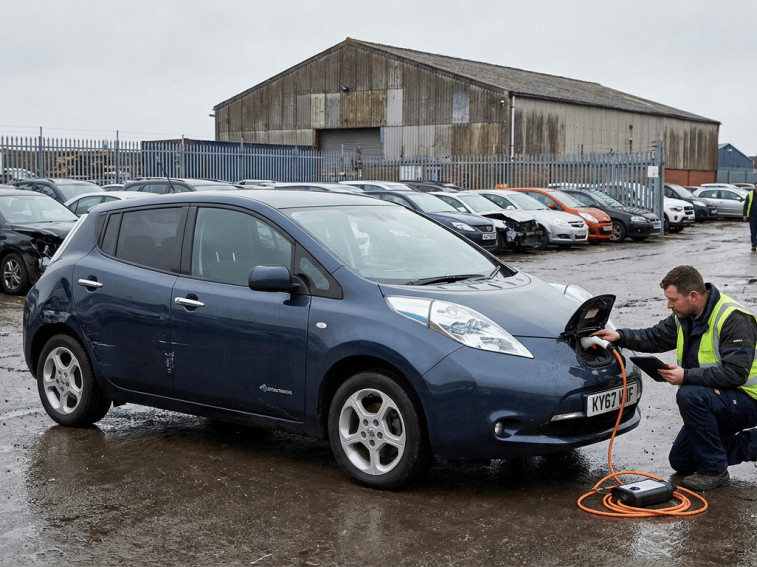
The Leaf became a best-selling electric car for very good reasons. They were built in high volumes, they are simple to operate, and they require very little routine maintenance. However, this early success means the auction market is now populated with many first and second-generation models. Most of these arrive at auction as insurance write-offs from minor accidents or as end-of-lease vehicles with battery wear.
Unlike a petrol car where a noisy engine provides a clear warning, battery problems are largely invisible. A car might look perfect on the outside but only provide 40 miles of range instead of the expected 100. This discrepancy is the difference between a highly useful commuter car and a very expensive mistake. Understanding the technical nuances of energy storage is the only way to navigate these sales successfully.
The Battery Health Question: Counting the Bars
Every auction listing will confirm if the vehicle starts and drives. However, very few listings will explicitly mention how many of the 12 battery capacity bars remain active. This single detail matters more than almost anything else on the car. Nissan Leafs feature a dashboard display that shows battery health through a series of small bars on the right side of the screen.
Losing these bars indicates a permanent loss of driving range. For example, an older model that originally provided 80 miles might only manage 50 miles if it is down to 9 bars. If the display shows only 8 bars, the car is likely limited to roughly 40 miles on a good day.
Because most auction photos fail to show this specific gauge, buyers are often forced to guess. Seeking out listings that include a clear shot of the dashboard with the power turned on is a vital part of the process. This specific data point is what separates a profitable trade from a financial liability.
Studying Auction Photographs Like a Detective
Since you often cannot test-drive these cars, the listing photos are your primary evidence. You must study them with a high level of detail. Look specifically for shots of the dashboard while the vehicle is stationary. If the battery capacity gauge is visible, count the small segments carefully. Anything below 10 bars on an older model suggests that the battery is entering a period of significant degradation.
It is also important to weigh the mileage against the age of the car. A car with 80,000 miles that shows a low number of health bars likely faced frequent rapid charging. High-speed charging generates heat, which is a major factor in reducing the lifespan of these specific battery packs. You should also check the area around the charging port for scuffs or paint wear. This often suggests the car was used for heavy city work where it was plugged in and out multiple times every day.
Understanding Categories and Structural Risks
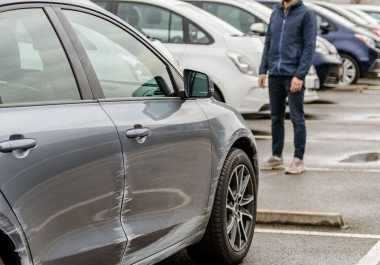
A Category N Nissan Leaf can be a fantastic deal if the damage is purely on the surface. We are talking about dented wings, bumper scrapes, or minor interior wear that an insurer decided not to fix. In these cases, the drivetrain and battery are usually perfect.
Buying damaged cars for sale in this category allows you to focus your budget on simple bodywork repairs rather than expensive mechanical parts. This is the safest entry point for those new to the electric auction market.
However, Category S markers require much more care. Structural damage on a Leaf could involve the battery pack enclosure, which is mounted low in the chassis frame. If a collision was hard enough to bend the main structure, there is a high risk that the battery cells inside were compressed or stressed. This type of damage is very difficult to see in photos and can lead to total system failure later.
Flood damage is the absolute worst scenario for any electric vehicle. Water and high-voltage electricity are a dangerous combination. Even if the car seems to work during a quick check, corrosion will eventually eat through the internal connectors and kill the pack.
Monitoring salvage auto auctions for clean, dry examples is a much better use of your capital. If a listing mentions water entry or a flood history, the smartest move is to walk away immediately.
Essential Equipment and Hidden Hardware Costs
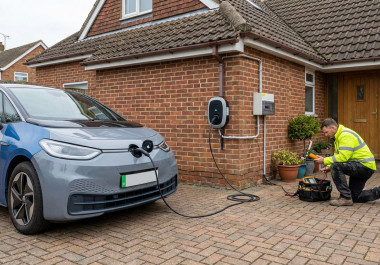
A Nissan Leaf without its original charging cables is like a petrol car missing its fuel cap. Replacing the standard home charger and the public charging cable can easily cost several hundred pounds. You should check the listing description and the boot photos to see if these items are included. If they are missing, you must subtract that cost from your maximum bidding limit.
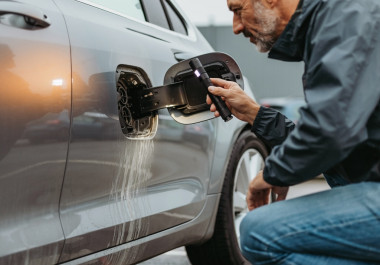
Photos of the charging port itself can also reveal hidden problems. You are looking for clean metal pins without any signs of burning, melting, or green corrosion. Any damage to the port assembly can lead to expensive electrical repairs. High-mileage cars also occasionally suffer from failures of the onboard charger unit. For anyone engaged in salvage auction buying, factoring in the cost of a replacement charger is a sensible precaution for older models.
Regional Availability and Maintenance
The availability of a Nissan Leaf salvage unit often depends on where you are searching. These cars were very popular in major cities like London and across parts of Scotland due to better charging networks. This means more salvage stock often appears from these specific regions.
If you are searching for used cars for sale in your local area, use filters to reduce the cost of transporting these heavy vehicles back to your home or workshop. This simple step protects your profit margin from being eaten by delivery fees.
Early adopters in urban areas were also more likely to maintain their cars through the main dealer network. This often results in a better service history and more consistent battery health. A car from a city environment might have faced more parking scrapes, but the electrical systems are often in better shape than a car from a rural area with no local specialists.
Using online car bidding platforms allows you to compare models from across the country and pick the one with the best history. This broad search strategy is essential for finding the highest quality battery packs available in the current market.
Hidden Costs and Final Calculations
Buying a salvage car is not just about the final hammer price. You must also budget for professional transport because electric cars cannot be towed in the normal way. They must be carried on a flatbed truck to avoid damaging the motors and the regenerative braking systems. You should also check the insurance rates before you bid. Some providers are wary of electric cars with a salvage history, so getting a quote first is essential.
If you find a car with a degraded battery, you must decide if the price is low enough to justify the cost. A new pack from the manufacturer is very expensive, although used packs can be found for less. However, swapping a battery requires specialist tools and high-voltage training.
Checking the salvage inventory for cars that still have a high number of health bars is always the more profitable strategy. It is not a job that can be done in a standard driveway without professional help.
The Bottom Line
Securing a Nissan Leaf at auction can save you thousands of pounds if you perform the right checks. A Category N car with a healthy 11 or 12-bar battery is a genuine bargain. You will end up with a car that costs almost nothing to run and very little to maintain. The key is to never let aesthetics distract you from the technical data.
Always count the battery bars, verify the charging equipment, and stick to a strict budget. If the bidding goes too high, let the car go and wait for the next sale. The market is currently full of these vehicles, and new stock arrives every day.
To see what is currently available and evaluate the latest listings, you can browse the RAW2K platform today.
Should you have any questions regarding account setup or the bidding process, please contact our team for administrative guidance.
Once you are ready to secure your next electric vehicle, simply register for salvage auctions to begin placing strategic bids today.