Electric vehicles appearing at auction can represent fantastic value for the informed buyer. However, these assets also house some of the costliest potential mistakes in the secondary market. Water damage in an electric vehicle is fundamentally different from moisture issues in a petrol car. It is often much more expensive to fix and significantly easier for sellers to hide behind a clean exterior.
The primary power unit alone can account for 40% of an electric vehicle's total market value. Even brief exposure to floodwater can turn a high-value asset into a severe financial liability overnight. Traditional vehicle checks focusing on rust and basic mechanical wear will not reveal the true condition of a battery-powered drivetrain. Buyers must adopt a specialized inspection approach to identify hidden moisture risks.
Electric vehicle auctions frequently feature hundreds of units with varying histories. While many of these represent genuine bargains, knowing how to spot undisclosed water entry separates successful buyers from those facing crushing repair bills. Success in this sector relies on understanding the digital and chemical signs left by environmental exposure. This methodical approach ensures your capital is protected from invisible electrical faults that may not appear for weeks or months.
The Invisible Risks of Water Entry
A petrol car with water damage is like a house with a leaky roof because the path of the water is usually visible. In contrast, moisture in an electric vehicle is more akin to internal electrical fire damage. The most severe destruction happens inside sealed parts that are not accessible during a standard inspection. Modern battery packs are designed to be watertight, but seals can perish or fail during high-pressure immersion events.
Battery packs sit low in the chassis and are typically the first parts to contact floodwater. These units contain hundreds of individual cells and sensitive management electronics. Even minor exposure can trigger lithium-ion cell corrosion that develops slowly over several months. This slow decay can eventually lead to a total battery management system failure, which effectively renders the car useless for resale or daily driving.
At the same time, water entry can ruin the integrity of high-voltage junction boxes. These parts manage the flow of power between the battery and the motor. If moisture enters these sealed units, it can cause unpredictable short circuits or permanent hardware damage. The cost of a replacement battery pack often exceeds the auction price of the entire vehicle. This makes these risks exceptionally high for any purchaser who does not perform a thorough check.
Decoding Insurance Categories for Electric Models
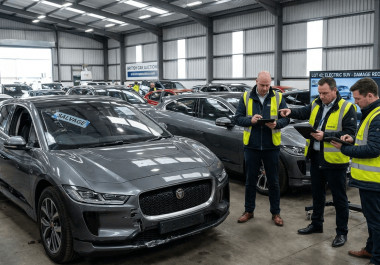
Understanding salvage categories is vital when looking at electric models. Insurance companies often mark flood-affected electric vehicles as Category N. They do this because the water did not cause structural frame damage. However, the resulting battery management system failure can be far more expensive than a simple chassis repair. This difference often catches out buyers who think non-structural markers always mean easy repairs.
A listing might mention light water entry or minor flood damage as a non-structural issue. In a standard car, this might only involve cleaning carpets and replacing basic trim. In an electric hatchback, it could mean the entire high-voltage system has been compromised. Some flood-affected assets carry no category marker at all if the previous owner did not make a claim through their insurer.
This lack of paperwork makes physical inspection skills vital for anyone participating in electric vehicle auctions today. Buyers must rely on hard evidence rather than trusting the insurance marker alone. This technical care prevents the purchase of vehicles with terminal electrical faults. Using professional history reports alongside physical checks creates a much safer purchasing environment for everyone involved.
Identifying Subtle External Warning Signs
Water damage always leaves physical clues, but buyers must know where to look. Tide marks on the exterior are a primary sign of standing water levels. These horizontal lines on doors or bumpers are often faint and require a close look under good lighting. Mismatched panel cleanliness is another subtle clue. If the underside of the vehicle is suspiciously clean compared to the rest of the body, it may have been pressure washed to hide flood sediment.
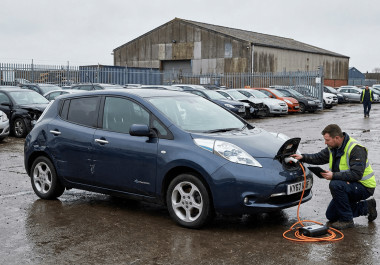
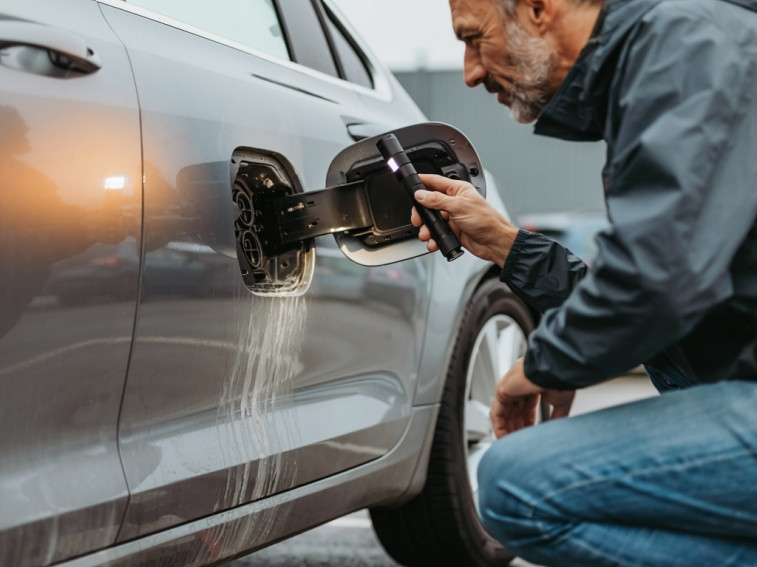
The wheels and tyres also provide important clues. Alloy wheels kept in standing water frequently develop lithium-ion cell corrosion in the form of white, powdery marks. These marks are persistent and difficult to wash away completely. Similarly, the charging port contacts should be checked for discolouration. A port containing dirt or sediment in its deeper spots suggests the vehicle was partially submerged during a flood event.
Monitoring these fine details helps buyers avoid high-risk assets in salvage auto auctions. It is often helpful to zoom in on high-resolution photos to check the metal pins inside the charging socket. Any sign of green or white crusty build-up should be treated as a major warning. These external signs are the first line of defence against buying a water-damaged unit.
Executing the Battery Pack and Interior Inspection
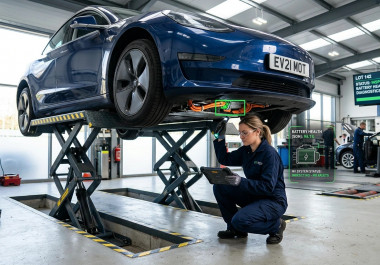
The battery pack is the main concern for any buyer, and checking it requires looking beneath the vehicle. Buyers should check for signs that the protective underside covers have been removed and put back on. Fresh scratches around bolts or missing clips suggest someone has recently opened the unit to clean up moisture. This is a common tactic used to present a flood-damaged car as a standard repair project.
Examine the pack seams for any signs of non-standard sealant or fresh gaskets. Manufacturers use specific glues that are hard to copy perfectly in a standard garage. Also, check for green or white corrosion on any visible high-voltage junction boxes and cabling. These bright orange cables must have clean, dry connectors to work safely and efficiently. Finding these clues early allows you to bid more accurately for damaged cars for sale.
Inside the cabin, water leaves traces that are difficult to erase. Lifting the carpets in the footwells often reveals water staining or sediment on the metal floor pan. Metal seat runners and adjustment motors rust quickly when exposed to water and are rarely cleaned well by sellers. If a vehicle has a persistent musty smell despite a professional cleaning, it is a strong sign of deep moisture. These interior checks are mandatory for anyone looking to secure a safe and reliable project.
Technical Diagnostics and Documentation Checks
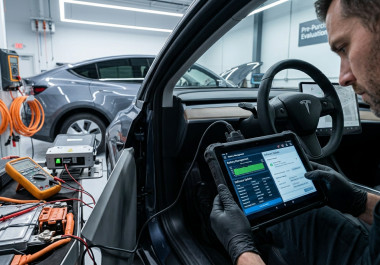
Modern electric vehicles have great monitoring systems that can find internal electrical faults. If a vehicle can be turned on, the dashboard acts as a vital tool for the buyer. Buyers should watch for battery warning lights or messages about reduced power. These system faults are often the first sign of a battery management system failure caused by environmental stress. Taking the time to verify these warnings prevents expensive surprises after the sale.
Testing every electrical function is also a must. Problems with windows, climate control, or the screen are classic signs of moisture affecting the wiring. For those browsing used cars for sale, checking the age of the 12V battery is also useful. A recently replaced auxiliary battery in a young vehicle can suggest previous electrical work related to water damage EV issues.
Finally, cross-reference the vehicle's registration history with known flooding events. The UK has seen significant regional flooding over the last five years, and vehicles from these areas need extra care. Confirming the presence of a V5C logbook is also essential, as legitimate sellers should have all paperwork ready. Using salvage car auctions UK platforms with clear history reports is a smart way to lower these risks before placing your first bid.
The Bottom Line
Electric vehicles are becoming a standard sight at auction, creating new opportunities for those who understand the technology. However, moisture entry remains a significant threat to the financial safety of these assets. By following a strict inspection routine, buyers can identify undisclosed water damage EV problems before committing their funds. This discipline separates trade pros from casual bidders who may overlook hidden technical risks.
Approaching every auction with a healthy level of doubt is the best way to ensure a profitable purchase. If a vehicle shows visible corrosion on high-voltage junction boxes or multiple electronic glitches, the smartest move is to walk away. There is always another auction and another chance to find a genuine bargain. By sticking to your inspection checklist, you ensure every purchase is a calculated business decision.
To see the current market and evaluate available stock, buyers can browse the RAW2K platform today.
Should you require any administrative assistance regarding platform navigation or the registration process, please contact our team directly.
Once prepared to secure a high-quality electric vehicle, simply browse the latest repairable vehicles for sale and begin bidding with confidence today.