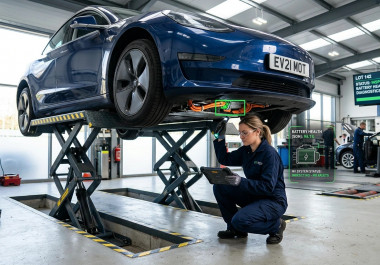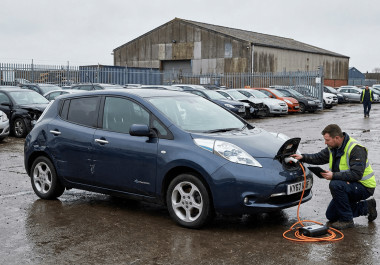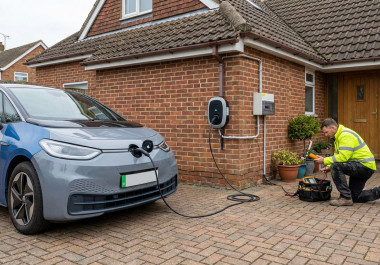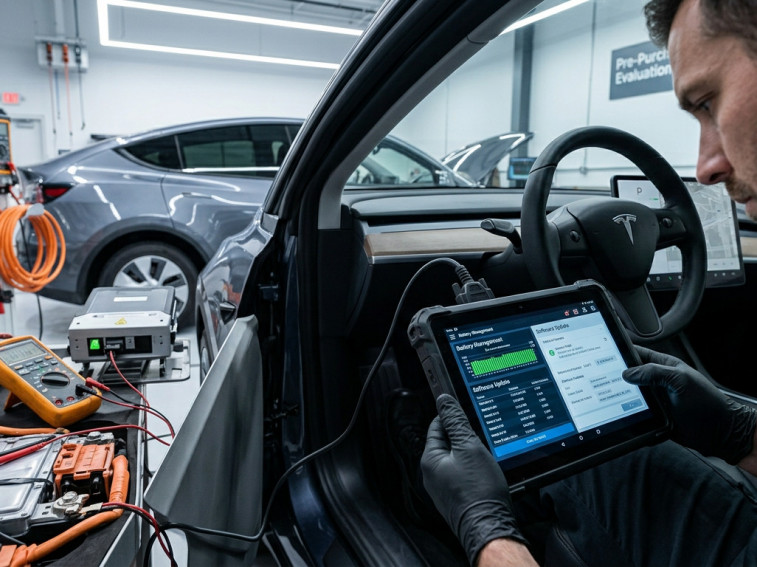
Buying a rebuilt electric vehicle involves more than checking its bodywork, battery condition and repair history. Modern EVs rely on software to control important functions, communicate with charging systems and manage different vehicle components.
That creates an additional consideration when buying a salvage or rebuilt electric car. A vehicle may look repaired and drive normally while still having unresolved software issues, restricted functions or outstanding manufacturer updates.
Software status should therefore form part of the same due diligence as the vehicle's physical condition. Before bidding, find out what is known about the car's software, whether its connected services work and whether any manufacturer support may be affected by its history.
Why Software Matters in an Electric Vehicle
An electric vehicle depends on multiple electronic control systems. These can manage areas such as battery monitoring, charging, power delivery, driver assistance and other vehicle functions.
Manufacturers can issue software updates for different reasons. An update might address a fault, improve a system, introduce a feature or resolve a compatibility issue. The method used to install an update also varies between manufacturers and individual models.
Some updates can be delivered remotely, while others may require diagnostic equipment or intervention from a suitably equipped workshop or manufacturer network.
This matters for a rebuilt vehicle because its history can affect what information is available to the manufacturer or what work has already been carried out.
A working vehicle is therefore not necessarily proof that its software is fully up to date.
What Can Happen After a Salvage Rebuild?
The effect of a salvage history depends on the manufacturer, model, vehicle history and nature of the repairs.
Potential issues can include:
-
software updates that have not been completed
-
warning messages that have not been fully resolved
-
connected services that no longer work as expected
-
diagnostic faults remaining after repairs
-
manufacturer or dealer support being more complicated to access
-
uncertainty over which software version the vehicle currently uses
Not every rebuilt EV will experience these problems. The important point for an auction buyer is that software should be checked rather than assumed.
A vehicle that has been repaired after insurance damage may have had components replaced, wiring disturbed or electronic systems recalibrated. Ask for evidence of relevant diagnostic work where it is available.
Over-the-Air Updates Are Not the Whole Story
Many modern EVs can receive some software updates over the air. This can make ownership more convenient because the vehicle does not always need to visit a workshop for every update.
However, remote updates do not mean that every software or diagnostic issue can be resolved remotely.
Some work may still require specialist diagnostic equipment. Other functions may depend on the vehicle being correctly registered within the manufacturer's systems or having specific components installed and communicating correctly.
For a rebuilt vehicle, ask whether the car can currently connect to its manufacturer's app or connected-services platform where applicable. A working connection can provide useful information, but it should not be treated as proof that every system is fully supported.
Check Software Before You Bid
Software checks should form part of the pre-bid inspection wherever the auction information and vehicle access allow them.
Start with the listing and available photographs. Look for dashboard warnings, fault messages and evidence of charging or connected-system problems.
Then check the vehicle's available information, including:
-
current software version, where accessible
-
dashboard warning messages
-
charging functionality
-
connected app status
-
service history
-
diagnostic reports
-
evidence of post-repair inspections
-
details of replaced electronic or battery components
If the vehicle can be inspected in person, check whether it starts normally, displays warning messages and accepts a charge. A charging test can provide useful information, although it cannot replace a professional diagnostic inspection.
Where manufacturer or specialist support is needed, contact the relevant provider before bidding and ask what information they can confirm from the vehicle identification number.
Do not assume that a seller or auction listing will provide every answer. Salvage vehicles can have incomplete histories, and the information available before purchase may be limited.
Salvage Category and Software Support Are Different Questions
A vehicle's insurance category tells you something about its history, but it does not by itself provide a complete picture of its current software condition.
The same category can cover vehicles with very different types of damage and repair histories. One car may have suffered cosmetic damage, while another may have required substantial work around electrical components.
For an electric vehicle, investigate what was damaged and which parts were replaced.
Particular attention may be appropriate where the damage involved:
-
high-voltage components
-
charging equipment
-
battery-related systems
-
wiring and connectors
-
electronic control units
-
sensors or driver-assistance equipment
The category should therefore be treated as one part of the vehicle's history rather than a guarantee about its present condition.
Ask About the Repair History
Repair documentation can be more useful than a simple statement that the vehicle has been repaired.
Where information is available, establish what was damaged, which components were replaced and whether relevant systems were tested afterwards.
Ask whether the vehicle has:
-
undergone diagnostic scanning
-
had software faults cleared or repaired
-
received applicable updates after repair
-
been checked for charging faults
-
had replaced electronic components configured correctly
-
retained its service and repair records
The answers will vary between individual vehicles. If documentation is missing, account for that uncertainty rather than assuming that the work was completed.
Consider the Cost of Specialist Diagnosis
Software-related problems can be difficult to price from photographs alone.
A warning light or charging fault might have a relatively simple cause, but it could also require specialist diagnosis or component replacement. The cost can depend heavily on the make, model, fault and availability of suitable technical support.
That is why a purchase calculation should allow for inspection and diagnosis where the vehicle's condition is uncertain.
Rather than adding an arbitrary software allowance to every EV, consider the actual evidence available for the specific vehicle. A documented repair history and clean diagnostic report provide a different starting point from a car with unresolved warning messages and limited information.
Charging Should Be Part of the Check
Charging is one of the most important functions to consider when assessing a rebuilt EV.
Where a charging test is possible, check that the vehicle can connect and begin charging correctly. Review any dashboard messages relating to the charging system and establish whether the vehicle's charging equipment has been affected by the previous damage.
Do not assume that a vehicle's ability to start or drive proves that its charging system is healthy.
For auction buyers, the distinction matters because a vehicle can appear mechanically usable while still requiring further investigation before it is ready for normal road use.
Imported EVs Need Extra Documentation Checks
Imported electric vehicles can have additional history to investigate.
A car may have been registered in one country, damaged in another and later offered for sale in the UK. Its service records, registration history and manufacturer information may therefore come from different sources.
Check that the vehicle identification number is consistent across the available documents and records. Compare the registration information, service history and auction description for discrepancies.
If the vehicle has been imported, also establish whether its charging equipment, specification and documentation are suitable for its intended use in the UK.
The more complicated the vehicle's history, the more important it becomes to verify the available information before bidding.
How to Assess Software Risk at Auction
A useful way to approach software risk is to divide the vehicle into three areas:
Confirmed:
Information supported by documentation, inspection or diagnostic evidence.
Unconfirmed:
Information that appears possible but cannot be verified before bidding.
Potential cost:
Work that may be required if the unconfirmed issue proves to exist.
This prevents an uncertain software issue from being treated as either harmless or catastrophic without evidence.
For example, a listing that confirms a recent diagnostic inspection gives you more information than one that simply states "starts and drives". A vehicle with an unexplained warning message should be treated differently from one with no reported electronic faults.
The purpose is not to predict every future software problem. It is to understand what is known about the vehicle before deciding how much risk the purchase represents.
A Pre-Bid EV Software Checklist
Before bidding on a rebuilt electric salvage vehicle, check:
-
the vehicle identification number and available history
-
the salvage category and reported damage
-
the current dashboard warning messages
-
available software-version information
-
charging functionality, where testing is possible
-
connected-app or online service status, where applicable
-
service and repair documentation
-
diagnostic reports
-
replaced electronic or high-voltage components
-
evidence of post-repair testing
-
whether specialist support may be required
-
any unknown costs created by missing information
If several of these points cannot be verified, factor that uncertainty into the purchase decision rather than assuming the vehicle is fully ready for use.
What Software Information Should Sellers Provide?
A useful EV auction listing should give buyers enough information to understand the vehicle's known condition.
Where available, useful details include the software version, dashboard warnings, charging status, diagnostic information and relevant repair history.
Buyers should still verify important information independently where possible. An auction description is not a substitute for a professional inspection, particularly when the vehicle has suffered electrical, battery or electronic damage.
For vehicles where important information cannot be established before bidding, the safest approach is to recognise the limitation and account for it in the overall purchase calculation.
Conclusion
Software is now part of the condition assessment for an electric salvage vehicle. A rebuilt EV can look complete and drive normally while still having unresolved electronic faults, incomplete updates or uncertain manufacturer support.
Before bidding, check the vehicle's history, available software information, charging function, diagnostic records and connected services. Pay particular attention to damage involving batteries, charging equipment, wiring and electronic control systems.
No single software check can guarantee that an electric salvage vehicle will remain trouble-free. The aim is to establish what is known, identify what remains uncertain and understand the potential cost before committing to the purchase.
RAW2K provides auction listings for damaged and salvage vehicles, allowing buyers to research available vehicles and assess their condition before bidding. Where a listing does not provide enough information about an EV's software or electronic condition, treat that missing information as part of the vehicle's overall risk assessment.