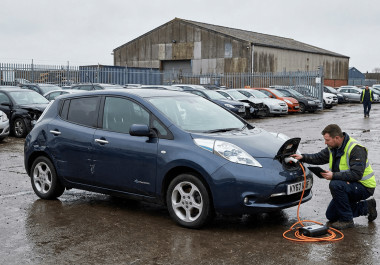
Acquiring a salvage EV and completing the necessary repairs is a significant achievement. Once the vehicle is back on the road, the next practical step involves establishing a reliable method for charging it at home without relying on public infrastructure or hazardous temporary solutions.
Installing home charging stations is a structured process that requires professional oversight rather than informal electrical work. Attempting to charge a vehicle using a standard socket for extended periods often results in significantly higher electricity costs and potential damage to domestic wiring. Using a dedicated point for a repaired salvage EV ensures safety and efficiency.
Why Standard Sockets Are Insufficient
While it is technically possible to charge an electric vehicle from a standard three-pin plug, this method, known as trickle charging, is exceptionally slow. It typically takes 8 to 12 hours for a meaningful charge on most batteries.
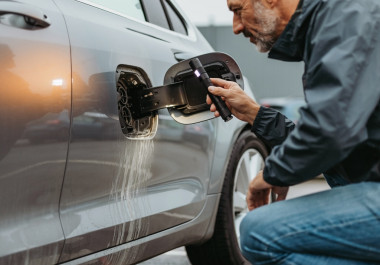
The primary concern is that domestic sockets are not designed for sustained high loads. Drawing 2.3kW continuously for many hours causes wiring to heat up and connections to degrade. One specific example involved a salvage BMW i3 where the owner utilised a standard socket for three months; the resulting heat warped the casing and discoloured the plug, leading to electrical faults that cost more to rectify than a professional installation. A dedicated home charging station operates at 7kW, significantly reducing charging times while providing built-in circuit protection.
Selecting The Appropriate Charging Point
Not all home charging stations offer the same features, and those dealing with the salvage market must consider specific requirements.
Tethered Versus Untethered Units
Tethered units feature a fixed cable, which offers convenience. However, if the cable becomes damaged or the vehicle type changes, the entire unit may require a more complex repair. Untethered chargers provide a socket for use with a separate cable. This flexibility is beneficial for those who browse online listings for various projects and may need to accommodate different vehicle types.
Smart Features And Load Balancing
Smart chargers connect to local networks to allow for scheduled charging during off-peak hours. For a repaired salvage EV intended for long-term use, these units often pay for themselves through reduced energy rates. If a property’s electrical supply is close to capacity, a load-balancing charger can monitor household consumption and adjust charging speeds to prevent system overloads.
Reliable units are available from various manufacturers. While some premium brands focus on aesthetic apps, functional alternatives such as Rolec or Project EV provide the same core performance at a more accessible price point.
Assessing Household Electrical Capacity
Before an installer begins work, the household consumer unit and main supply must be evaluated. Most modern homes feature a 100-amp supply, which is sufficient for a 7kW charger. Older properties with 60-80 amps may require upgrades if multiple heavy appliances are in use simultaneously.
Key inspection points include the age of the consumer unit and the type of earthing system in place. A professional survey typically identifies these requirements early, preventing unexpected costs during the actual installation.
The Installation Workflow
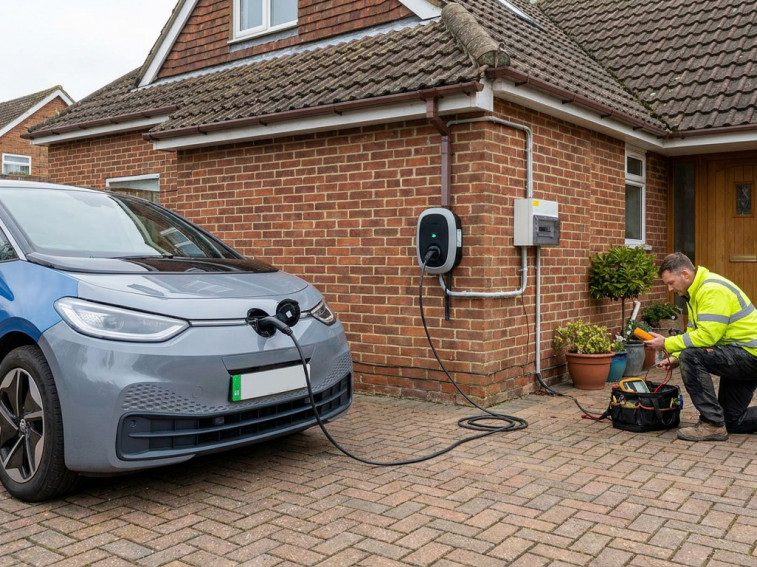
The installation of home charging stations is straightforward when handled by qualified personnel.
-
Site Survey: The installer evaluates cable routes and the mounting position relative to the consumer unit.
-
Cabling: A dedicated circuit is run from the fuseboard to the charging location, typically using 6mm² or 10mm² cable.
-
Mounting: The unit is secured to a brick or block wall and connected to the new circuit with appropriate safety devices.
-
Commissioning: The system is tested, and the owner receives an electrical installation certificate.
Analysing Installation Costs
Prices vary based on the hardware selected and the complexity of the cable route. A standard installation for a mid-range smart charger typically falls between £800 and £1,200. If the consumer unit requires a modern upgrade, these costs can increase. While government grants through OZEV are currently focused on rental properties and flats, homeowners should check for the latest updates on regional incentives.
Selecting A Qualified Professional
It is vital to use an installer registered with a competent person scheme, such as NICEIC or NAPIT. This ensures the work complies with building regulations and is fully insured. Reliable installers provide itemised quotes and provide a survey before starting work. Avoiding quotes that seem suspiciously low is a sensible way to prevent substandard workmanship.
Considerations For Salvage Electric Vehicles
A repaired salvage EV may present unique considerations. If the battery has experienced significant degradation or management system restrictions, it might not pull the full rated current. It is advisable to check the actual charging rate using diagnostic tools before selecting a charger.
Furthermore, Category S vehicles should have their electrical system integrity verified by an EV specialist. This is particularly important when evaluating potential stock from salvage vehicle auctions, as a poorly reconnected high-voltage component might function during short trips but could cause issues under the sustained load of home charging.
Operational Costs And Electricity Tariffs
Home charging is significantly more economical than using public networks. On a standard tariff, a 40kWh battery is relatively inexpensive to charge, but switching to an off-peak or "smart" tariff can reduce costs further. Some tariffs offer overnight rates specifically designed for EV owners, which can lower the cost per mile to just a few pence. If the property features solar panels, smart chargers can be configured to use excess generation to help reduce ongoing costs during daylight hours.
Maintenance And Troubleshooting
While home charging stations are generally robust, they require occasional checks. Owners should inspect tethered cables for abrasions and ensure connectors remain clean. Most issues, such as slow charging or connectivity drops, are often related to software updates or local network stability. Because these units handle high-voltage current, any internal faults must be addressed by a professional. Those acquiring damaged cars for sale should ensure their home infrastructure is as reliable as the vehicle's onboard systems.
Future Proofing Your Charging Setup
For those acquiring salvage cars for sale for use as a primary vehicle, a standard 7kW unit is the most logical choice. While 22kW units exist, they require a three-phase electrical supply, which is rarely found in domestic settings. Selecting hardware for vehicles sourced from UK salvage auctions that matches this capability ensures your repaired salvage EV is always ready for the road while maintaining the integrity of your domestic electrical system.
Establishing a professional charging setup is a practical investment that adds value to your property. By selecting the right hardware and a qualified installer, you can enjoy the full benefits of electric vehicle ownership through the RAW2K platform.
If you require general support regarding the bidding process or the variety of vehicles available, please contact us for professional assistance. To browse our current inventory and take the first step toward your next project, you can register to bid for an account today.