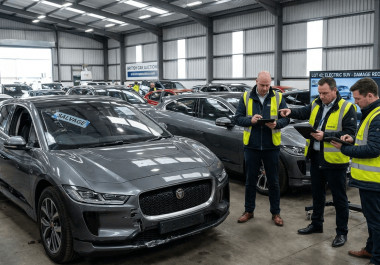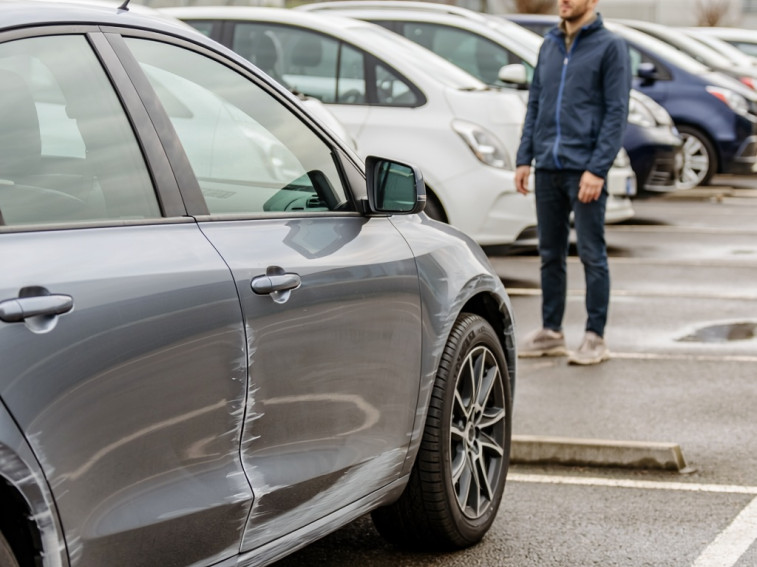
The appearance of a nearly new electric vehicle at a salvage auction often causes surprise among traditional buyers. These are modern machines featuring the latest technology and are frequently less than three years old. Despite their high initial cost, these vehicles are entering the secondary market with increasing regularity. The reality is that electric vehicles face a specific set of vulnerabilities that traditional combustion engines do not encounter.
The shift toward electrification has introduced new challenges for insurance companies and repair facilities. Some issues stem from driver habits, while others relate to the delicate nature of the technology itself. Understanding why these modern assets end up as salvage is the first step toward identifying profitable opportunities. This knowledge helps buyers distinguish between minor cosmetic issues and severe underlying faults.
Battery Integrity and Silent Damage
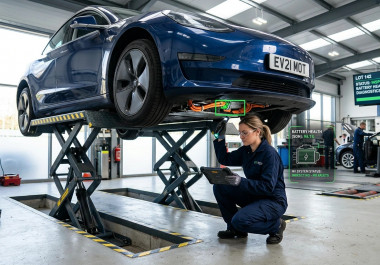
The primary battery pack is both the most valuable and the most vulnerable component of the vehicle. A single power unit can represent up to 40% of the total value of the car. Consequently, even a minor impact can result in internal lithium-ion battery deformation. While the bodywork may look pristine, insurance companies often refuse to underwrite the risk of a compromised battery casing.
Minor collisions that would be simple repairs for a diesel van can easily total a modern hatchback. Manufacturers maintain very strict guidelines regarding structural intrusion near the energy cells. Because a replacement unit can cost between £15,000 and £25,000, insurers find it more economical to declare the car a total loss. This is why lithium-ion battery deformation is often cited as a silent killer in the salvage industry.
Flood damage represents another significant risk for modern electric models. Water and high-voltage electrical systems do not mix well. Unlike a petrol engine that a specialist can often dry out and rebuild, a compromised battery pack is usually scrap. Even minor flooding that barely reaches the door sills can result in a Category N or Category S classification.
High-Voltage System Vandalism and Theft
The rising value of specific metals has made charging infrastructure a target for criminals. Thieves frequently target charging cables for their copper content or remove charging ports for their expensive internal components. While high-voltage system vandalism may seem like a minor issue, the repair costs are often surprisingly high. The charging assembly is integrated deeply into the vehicle's electrical loom.
Replacing a stolen port often requires specialist dealership work and expensive components. These repairs can easily reach £3,000 in parts and labour. When an electric vehicle has already depreciated, adding these repair costs often pushes the asset into salvage territory. This type of high-voltage system vandalism results in many perfectly functional vehicles being sent to auction.
For a buyer with the right technical skills, these vehicles represent excellent value. If the only damage is a missing charging assembly, the fix is relatively straightforward compared to a structural repair. However, the high cost of manufacturer-certified parts makes this an uneconomical path for most insurance providers. As a result, high-voltage system vandalism remains a top reason for modern EVs to enter the auction ecosystem.
Software Failures and Safety Interlocks
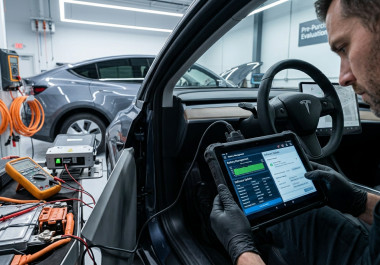
Modern electric vehicles are essentially sophisticated computers on wheels. Like any complex digital system, they can suffer from catastrophic software failures. Unlike traditional cars where individual mechanical parts can be bypassed, EVs utilise integrated modules that require dealer-level diagnostics. When these systems fail, the automated safety interlocks often render the car completely immobile as a protective measure.
This situation creates a unique opportunity for trade buyers who possess specialized diagnostic equipment. A vehicle might be categorised as salvage purely because a main dealer could not solve a software error economically. By checking damaged vehicles for sale, informed purchasers can locate cars where the hardware is sound but the software requires a reset. Understanding these automated safety interlocks allows for highly strategic bidding on nearly new EVs.
One common problem involves the battery management system or the power inverter. If these modules fail, the repair costs can spiral quickly as the faults cascade through the vehicle's network. Manufacturers often recommend replacing entire systems rather than attempting to isolate a single digital glitch. These automated safety interlocks are highly sensitive to any detected electrical inconsistency.
Recovery Errors and Range Incidents
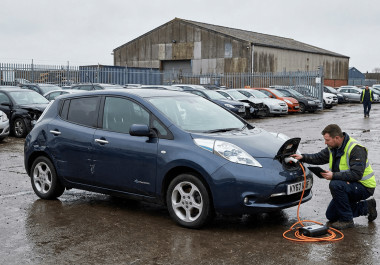
Incidents involving range exhaustion also contribute to the rising number of electric write-offs. When a vehicle runs out of charge in a precarious location, the recovery process itself can cause severe damage. Towing an electric vehicle incorrectly is a common mistake that can destroy the electric motors. Because the wheels regenerate power when they turn, towing the driven wheels can essentially fry the internal electronics.
These logistical failures are common salvage auction reasons for modern models. By studying these mechanical risks, buyers can avoid assets with compromised drivetrains. This technical knowledge separates experienced trade professionals from those who rely on visual inspection alone. Success requires a deep dive into the vehicle's history before placing any capital at risk.
Furthermore, vehicles left in dangerous locations while waiting for mobile charging are frequently involved in secondary accidents. A car that ran out of power on a motorway and was hit from behind becomes an immediate salvage asset. In these cases, the battery might be functional, but the combined cost of recovery and impact repair exceeds the vehicle's value.
Weight, Physics, and Collision Severity
Electric vehicles are substantially heavier than their petrol equivalents due to the density of the battery pack. A typical family electric car weighs several hundred kilograms more than a similar internal combustion model. When these vehicles are involved in accidents, the physics of the extra weight results in more severe structural damage. A low-speed collision transfers more force, leading to more significant crumpling of the chassis.
As a result, many salvage auto auctions feature nearly new EVs that have hit solid objects hard enough to deform the battery mounting points. Insurers often view these structural repair estimates as financially unviable. This extra weight also affects handling in wet or icy conditions, occasionally catching out inexperienced drivers.
The instant torque provided by the motors can also lead to loss of control during acceleration. Monitoring these handling traits helps buyers understand the likely origin of specific bodywork damage seen in auction photos. This physical awareness is vital when attempting to estimate total repair costs during the bidding process.
Strategic Sourcing and Price Gaps
Success in the electric salvage market requires a deep understanding of these specific risks. A Category N marker does not always indicate a bad investment, but the buyer must know exactly why the car was categorised. Avoiding vehicles with lithium-ion battery deformation is the most important rule for those intending to return a car to the road. Instead, focusing on charging port issues or minor cosmetic dings often yields the best returns.
By reviewing the current used cars for sale and comparing them with auction listings, buyers can spot significant price gaps. The supply of nearly new EVs is increasing faster than the general market's ability to repair them. This gap creates a lucrative environment for those who have invested in the proper tools and knowledge.
To explore the latest repairable vehicles for sale and assess active listings, buyers should use professional search tools. This methodical approach ensures that every bid is based on factual data rather than emotional excitement. Pros can browse the RAW2K platform today to see current inventory across the country.
Should buyers require administrative assistance regarding platform navigation or the registration process, please contact our team directly. Once prepared to execute a strategic acquisition, simply choose to open an account to begin bidding on high-potential electric vehicles today.