Electric vehicles don't get a free pass when it comes to MOTs, but the way they're tested is different from what you're used to with petrol or diesel cars. If you're thinking about picking up a secondhand EV at auction, you need to know exactly what the MOT tester will be looking for, and what they won't.
Plenty of buyers get caught out assuming an electric car is simpler to test. It's not simpler. It's just different. And those differences can either save you money or cost you a fortune if the specific EV MOT requirements are not understood before you walk into a purchase.
When Does an Electric Vehicle Need Its First MOT?
The rules here are identical to any other car. Your secondhand electric vehicle needs its first MOT three years after its original registration date. Not three years from when you bought it, but three years from the date it first hit the road.
So if you're browsing online van auctions and spot a 2021 electric van, it'll need an MOT in 2024. But here is where buyers slip up: they assume a nearly-new EV with low mileage is automatically going to sail through. Low mileage doesn't mean the battery cooling system hasn't developed a leak, or that the charging port isn't corroded.
After that first test, it's annual. Every year, like clockwork, just like a diesel Transit or a petrol hatchback.
What Is Actually Tested During an EV MOT?
The MOT for an electric vehicle covers most of the same ground as a traditional car, including brakes, tyres, lights, suspension, bodywork, and so on. But there's no exhaust emissions test, because there's no exhaust. That's the obvious bit.
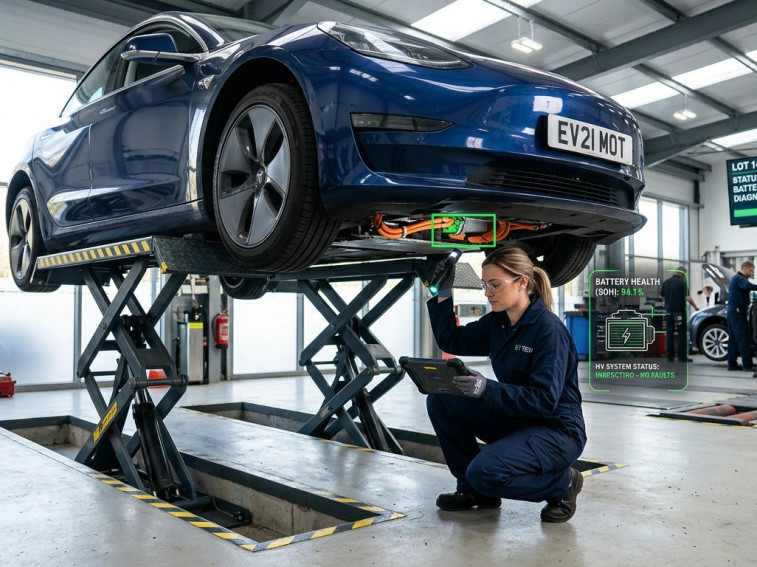
What catches people out is what is tested that's unique to EVs. The tester will check:
-
High-voltage battery condition: They're looking for damage, corrosion, or leaks from the battery pack. Any visible damage to the casing is an instant fail.
-
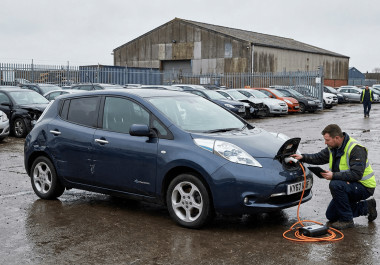
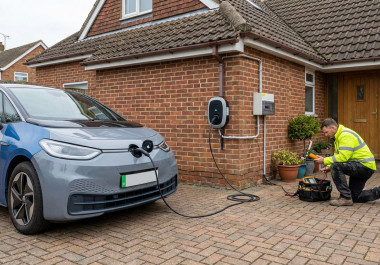
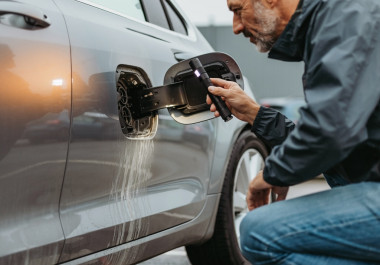
Charging cables and connectors: If the charging port is damaged, corroded, or the flap doesn't close properly, that's a fail. I once saw a Cat N Nissan Leaf fail because someone had reversed into a charging post and cracked the port housing. Cheap fix, but it needed doing.
-
Orange high-voltage cables: These are the thick cables that run between the battery and motor. If they're damaged, worn, or not properly secured, the car fails. No exceptions.
-
Regenerative braking system: This is tested as part of the brake performance check. If the regenerative braking system isn't working properly, it can affect braking efficiency.
The tester won't open up the battery pack or measure its capacity. They're not checking how much range you've got left or whether the battery's degraded. They're checking for safety issues, such as leaks, damage, and anything that could cause a fire or electric shock.
What Does Not Get Tested and Why That Matters
Here is the kicker: battery health and range aren't part of the MOT. A car can pass its MOT with a battery that's lost 40% of its original capacity. As long as the high-voltage battery condition is safe and it's not leaking, damaged, or presenting a safety risk, it passes.
This is why buying secondhand electric cars at auction requires a different kind of homework. You can't rely on the MOT to tell you if the battery's knackered. You need to check the battery state of health (SOH) separately, either through the car's onboard diagnostics or with a third-party tool.
There are plenty of EVs with a fresh MOT certificate that had batteries on their last legs. The MOT just confirms the car's safe to drive, not that it'll do 200 miles on a charge. If you're bidding on an electric car, ask for the battery health report. If the seller can't provide one, factor in the cost of a replacement battery when you're working out your maximum bid.
Common MOT Failures on Secondhand Electric Vehicles
Electric cars fail MOTs for the same boring reasons as any other car, such as worn tyres, dodgy brakes, and blown bulbs. But there are a few EV-specific failures that crop up more often than you'd think.
Battery cooling system leaks are a big one. Most EVs use liquid cooling to keep the battery at the right temperature. If that system develops a leak, it's a fail. And it's not always obvious until the tester gets underneath and spots the coolant dripping.
Damaged undertrays are another common issue. EVs have large plastic undertrays to protect the battery pack and improve aerodynamics. If you've been driving over speed bumps too fast or caught a kerb, you can crack or dislodge these trays. If they're hanging loose or missing, that's a fail.
The charging port damage is surprisingly common on older EVs. People yank the cable out without pressing the release button, or they reverse into the charging post. If the port's cracked, the flap won't close, or the locking mechanism is broken, it fails.
Tyre wear is worth a special mention. Because secondhand electric cars are heavy, they wear through tyres faster than equivalent petrol cars. If you're buying a high-mileage EV, budget for new rubber. Many buyers get stung by the cost of replacing all four tyres a week after they've won the auction. During the test, the regenerative braking system must also show consistent performance to ensure the vehicle meets the required safety standards.
How to Check MOT History on a Secondhand EV
Before you even think about placing a bid, check the MOT history. It's free, it's easy, and it'll tell you everything you need to know about how the previous owner treated the car.
Head to the GOV.UK MOT history checker, plug in the registration, and you'll get a full list of every MOT test, every advisory, and every failure. Look for patterns. If the car's been failing on the same issue year after year, that's a red flag.
Pay close attention to the advisories. These are things that aren't bad enough to fail the car yet, but they're on their way. If you see advisories for corroded brake pipes, worn suspension bushes, or battery cooling system concerns, factor those into your bid. They're not urgent, but they will be soon.
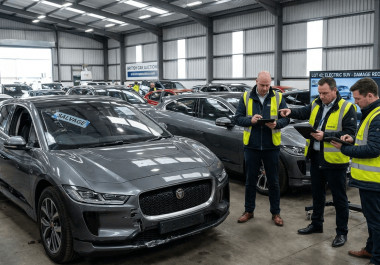
If you're looking at a Cat N or Cat S vehicle, and there are plenty of those in our vehicle auctions, the MOT history becomes even more critical. A Cat N car might have had cosmetic damage, but if it's been failing MOTs on suspension or steering issues, that suggests the damage was more serious than the insurance company let on.
What About Hybrid Vehicles?
Hybrids sit somewhere in between. They've got a petrol or diesel engine, so they do get an emissions test. But they've also got a battery pack and electric motor, so the tester will check the high-voltage system as well.
The emissions test on a hybrid is usually easier to pass than a pure petrol or diesel car, because the engine's doing less work. But if the hybrid system isn't working properly, such as if the car's running in petrol-only mode because the battery's dead, it might fail on emissions.
There have been hybrid vans listed in our auctions that failed MOTs because the hybrid battery had packed in and the owner just kept driving it on the engine alone. That works for a while, but eventually the emissions creep up and it fails the test. Additionally, if a charging port damage issue is present on a plug-in hybrid, it will result in an immediate electrical failure. If you're bidding on a hybrid, check whether the electric side of the system is actually working. A hybrid with a dead battery is just a heavy, inefficient petrol car.
How Much Does an EV MOT Cost?
The cost of an MOT is capped by the government. For a car, it's £54.85. For a van, it's the same. That's the maximum a testing centre can charge, and it's the same whether you're testing a petrol hatchback or a £60,000 electric SUV.
But here is the thing: if your EV fails, the cost of repairs to meet EV MOT requirements can be high. A cracked charging port might be £200 to replace. A damaged battery undertray could be £300 for the part alone. And if the high-voltage cables are damaged, you're looking at a specialist repair that could run into four figures.
This is why it's so important to check the MOT history and the vehicle condition report before you bid. A cheap EV with a fresh MOT might look like a bargain, but if it's got a list of advisories as long as your arm, you're going to be shelling out for repairs within six months.
Can You MOT an Electric Vehicle at Any Testing Centre?
Technically, yes. Any MOT testing centre can test an electric vehicle. But not all of them have staff who are properly trained on EVs, and not all of them have the right equipment to test high-voltage systems safely.
If you've just bought an EV at auction and you need to get it tested, it's worth finding a centre that specialises in electric vehicles. They'll know what to look for, they are familiar with how the regenerative braking system behaves, and they're less likely to fail the car on something that's actually fine.
There are rare cases of testers failing EVs because they didn't understand how the braking works, or because they couldn't figure out how to turn the car on. It's rare, but it happens. If you're in any doubt, ask the testing centre if they're experienced with EVs before you book it in.
What Happens if Your Secondhand EV Fails Its MOT?
If your car fails, you've got two options. You can get it repaired and bring it back for a free retest within ten working days, or you can scrap it and move on.
Most failures are minor. A blown bulb, a worn wiper blade, or a cracked number plate. You fix it, you bring it back, and it passes. But if the failure relates to the high-voltage battery condition, corroded high-voltage cables, or a knackered charging port, you need to weigh up whether it's worth fixing.
On a newer EV, it's almost always worth fixing. Parts are available, and the car's still got plenty of life left in it. But on an older, high-mileage EV with a degraded battery, you might be throwing good money after bad.
If you've bought the car at auction and it fails its MOT on something major, don't panic. Check whether the repair is covered by any warranty or insurance you've got, and get a few quotes before you commit to anything. Sometimes the dealership quote is double what an independent specialist will charge.
Buying a Secondhand EV Without an MOT
You will often see electric vehicles listed at auction with no MOT. That doesn't automatically mean there's something wrong with it. The previous owner might have just let it lapse, or the car might have been off the road for a while.
But it does mean you're taking a risk. Without an MOT, you can't drive the car home unless you've got trade plates or you arrange a trailer. And you won't know what needs fixing until you get it tested.
If you're bidding on a car without an MOT, factor in the cost of getting it tested and the potential cost of repairs. Assume the worst, and bid accordingly. Too many buyers get caught out by a cheap EV that needed £1,500 of work to get it through the test.
If you're not sure what you're looking at, or you're new to buying at auction, stick to vehicles with a current MOT. It's not a guarantee that everything's perfect, but it's much safer than buying blind.
Final Thoughts on MOT Requirements for Secondhand Electric Vehicles
The MOT for an electric vehicle isn't harder than a petrol or diesel car, but it's different. The tester's looking for battery damage, high-voltage cable issues, and the functionality of the charging system, things that don't exist on a traditional car.
What the MOT does not provide is a guarantee of battery health. A car can pass with a fresh certificate while having a significantly degraded range.
Before placing a bid, buyers should check the MOT history and look for signs of previous high-voltage battery condition issues or cooling leaks. To ensure compliance with EV MOT requirements, always account for potential repairs in your budget. If looking for a secondhand electric vehicle, it is best to browse all vehicles up for auction and filter by fuel type.
To get started with bidding, you can register an account on our platform today. If there are questions about a specific vehicle or the auction process, feel free to get in touch with our team at RAW2K.