Browsing digital inventory frequently reveals stock lacking an official insurance category. Understanding this terminology is essential for commercial operators to avoid expensive miscalculations. Professional experience dictates that lacking a marker is neither a guarantee of pristine quality nor an automatic liability. It is simply an administrative statement regarding official paperwork rather than the physical condition of the chassis.
Understanding the nuances of these specific listings helps trade buyers mitigate risk. Commercial operators must treat the administrative status as a starting point for rigorous digital research. By looking beyond the basic description, professionals determine if an asset represents a genuine commercial bargain or a hidden financial liability. Navigating an unrecorded vehicle salvage auction successfully requires strict discipline and an understanding of what happens when a vehicle bypasses standard insurance logging procedures.
Defining the Administrative Status
When a vehicle arrives without a salvage marker, the damage has not been officially logged with the Motor Insurance Anti-Fraud and Theft Register. The vehicle consequently appears clean on paper without Category A, Category B, Category S, or Category N markers. Executing a thorough HPI history check during the initial due diligence phase interrogates the central MIAFTR database to confirm whether the chassis was processed through official underwriting channels.
However, lacking a category does not mean the vehicle is undamaged. It simply indicates the damage never triggered an official insurance write-off. Consider the scenario comparable to a commercial property that has undergone structural alterations without official planning permission. The absence of official paperwork reveals nothing about the quality of the rectifications. Therefore, comprehensive historical verification remains a mandatory step for any cautious commercial bidder.
Reasons Vehicles Arrive Without Categorisation
Numerous legitimate pathways exist for a damaged vehicle to enter the auction ecosystem without an official category. If a previous owner or commercial fleet operator pays for rectifications out of their own working capital, no insurance claim is filed. The damage subsequently never reaches the threshold for official categorisation.
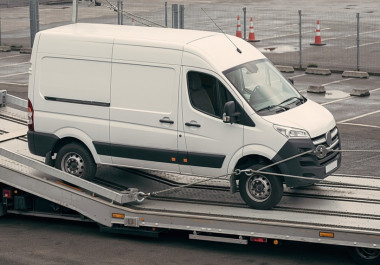
Seized or repossessed vehicles frequently bypass the insurance system entirely. When finance companies or police departments seize assets, the vehicles typically proceed straight to auction without formal engineering assessments. Large fleet operators also contribute heavily to this market through routine ex-fleet disposal. These corporations routinely retire assets due to age or high mileage rather than collision damage. Commercial buyers evaluating inventory across regional hubs, such as vehicle auctions in Scotland, frequently target these specific units. If a commercial van sustains minor cosmetic scuffs that were never claimed against a policy, it will appear as uncategorised stock on the digital gateway.
Imported vehicles occasionally present unique challenges. A vehicle might suffer a front-end collision abroad, receive undocumented repairs, and subsequently enter the UK database with a clean history. Trade professionals utilizing external verification tools spot these anomalies before committing capital.
Comparing Unmarked Listings to Salvage Categories
Distinguishing between unrecorded stock and official salvage categories is crucial for establishing accurate workshop budgets. Category S vehicles feature documented structural damage that remains on the record indefinitely. Category N covers non-structural issues like electrical faults or cosmetic dents. Both official categories offer baseline transparency regarding the original incident.
Unmarked inventory offers no such clarity. This lack of documentation means trade buyers rely entirely on their own digital assessments. While a Category N vehicle possesses a defined history, an unmarked asset requires deeper investigation. Commercial buyers must decide if the suppressed acquisition price justifies the inherent uncertainty.
Identifying Potential Risks for Buyers
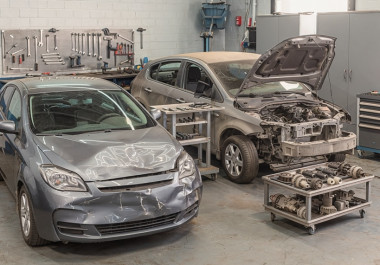
Acquiring unrecorded stock carries specific operational risks. Hidden damage remains the most significant concern for any commercial operator. Without an official engineer report, buyers cannot definitively know the extent of previous undocumented repairs. A minor front-end scrape visible in a digital photograph might mask a crumpled chassis rail that was never properly aligned on a structural jig.
Furthermore, undocumented minor fleet yard incidents or previous keeper DIY repairs executed before the asset was formally seized occasionally present resale challenges. Because the paperwork remains clean, these poor-quality historical rectifications remain hidden prior to delivery. Operators analyzing stock through platforms like vehicle auctions in Wales must maintain strict visual scrutiny. This presents severe challenges on the forecourt, as future retail buyers will likely question the auction history during the final transaction. Insurance complications occasionally arise because specific underwriters treat unmarked auction stock with suspicion. Retail consumers might face higher premiums or limited coverage if the trade professional cannot prove the vehicle's full historical integrity.
Practical Steps for Assessing Condition Digitally
Because digital salvage platforms operate securely and efficiently, trade professionals cannot physically wander into storage compounds to inspect vehicles prior to bidding. Instead, successful operators rely entirely on forensic analysis of the high-resolution imagery and data provided on the digital listing.
The assessment must begin with independent verification to confirm mileage consistency, verify previous keeper counts, and ensure no historical salvage markers were applied to the chassis years prior to the current listing. Following this, operators scrutinize the extensive photography provided by the auction portal. Professionals zoom in closely to hunt for paint overspray on rubber weather seals around the doors and bonnet. Buyers evaluate the body lines to check for mismatched panels, as uneven gaps heavily suggest that replacement parts were fitted poorly. Finally, executing a secondary HPI history check ensures no fresh markers were applied to the asset in the days immediately preceding the auction.
Identifying Strategic Purchasing Opportunities
Not every uncategorised vehicle represents a hidden liability. Ex-fleet commercial vans featuring minor wear consistently provide excellent commercial value. Commercial vehicles retired strictly due to mileage often possess superficial damage that is exceptionally easy to rectify. If the mechanical components remain sound, these assets represent genuine commercial bargains.
Trade buyers operating their own internal repair facilities find the highest profit margins within this specific stock profile. Because the broader market heavily discounts vehicles possessing uncertain histories, equipped professionals acquire the chassis at a substantial discount. Operators evaluating diverse inventory, such as analyzing motorcycle salvage auctions, rely on their specific technical expertise to spot high-value assets that inexperienced participants ignore.
Effective Bidding Tactics for Unrecorded Stock
Bidding on uncategorised listings requires a highly disciplined financial strategy. Because the acquisition carries increased variable risk, commercial operators must set a significantly lower financial ceiling. If a standard Category N hatchback holds a post-repair market value of £5,000, the maximum bid for an unrecorded version should be strictly capped at 60 percent of that figure.
Buyers must proactively factor the cost of post-delivery professional diagnostics into their total budget. When engaging with an unrecorded vehicle salvage auction, professionals read the listing description forensically. Vague terminology should be treated as a definitive warning. Trade buyers evaluating high-value stock across regional hubs, such as vehicle auctions in the North West, never allow emotional attachment to dictate their proxy bidding limits.
Logistical Realities Following a Successful Bid
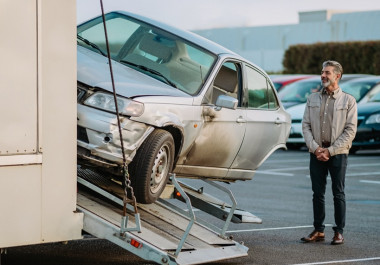
Once the digital hammer falls, the logistical reality shifts immediately. Commercial operators arrange professional transport to recover the asset from the auction compound. Once the vehicle arrives at the workshop, the first priority is a comprehensive mechanical inspection on a hydraulic ramp. Technicians execute a full diagnostic sweep before the vehicle enters the retail preparation phase.
If the V5C logbook is missing, the administrative team must apply for a replacement through the DVLA immediately to prevent forecourt delays. Trade professionals must also arrange appropriate motor trade insurance by honestly disclosing the vehicle's acquisition source. Addressing all service needs and documenting every repair phase builds a comprehensive history file. Retaining these specific receipts reassures future retail buyers and actively protects the maximum resale value of the vehicle on the forecourt. If an asset proves completely unviable upon delivery, operators occasionally utilize a dedicated scrap my car service to rapidly liquidate the deteriorating chassis and recover their baseline working capital.
Conclusion: Balancing Risk and Reward
An unrecorded status is never a definitive answer regarding a vehicle's mechanical quality. It operates simply as a prompt for commercial buyers to conduct deeper research. If a trade professional can confidently identify the previous damage and project the necessary rectification costs, they are positioned to secure an excellent margin.
The most lucrative acquisitions result from rigorous digital homework. Commercial operators who perform independent history checks, utilize external data, and stick strictly to their calculated budgets consistently outperform the wider market. A final HPI history check provides the ultimate administrative confirmation before capital is deployed.
If trade professionals require assistance with account verification or have questions regarding tier-based buyer fees, please speak with us for immediate guidance.
To apply this professional due diligence to live inventory and build a highly profitable acquisition strategy, secure auction bidding access today.
Once registered, professionals can immediately evaluate the extensive catalog of trade inventory available across the RAW2K digital gateway.