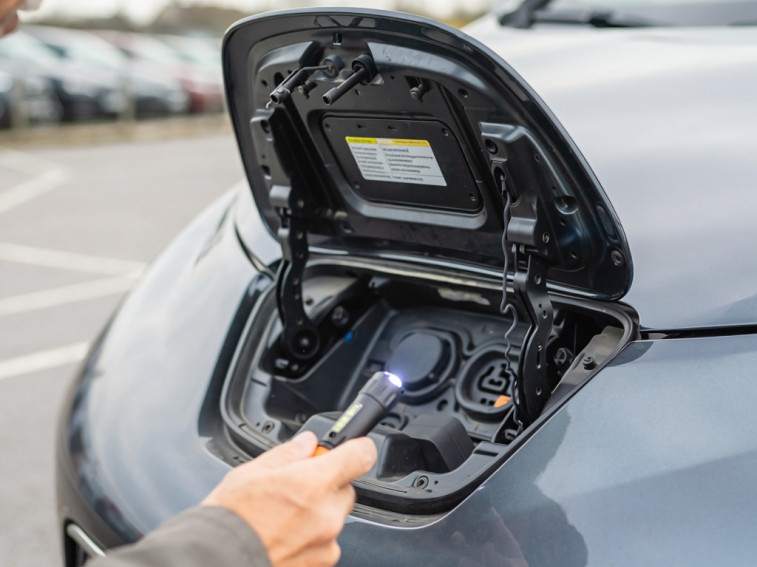
More electric vehicles are showing up in the salvage market every day. Buyers can now find everything from premium saloons with minor panel damage to compact hatchbacks written off for cosmetic reasons. However, while most mechanics know exactly how to check a petrol engine, the charging assembly is often missed. Traditional mechanical training does not always cover the nuances of high-voltage connection points.
Failing to check this component can lead to big financial surprises. A vehicle might look perfect on the outside, but a broken charging system can turn a bargain into an expensive problem. Because of this, learning how to check these high-voltage entry points is vital for anyone interested in Category N salvage EVs. It is a technical skill that separates successful trade buyers from those who take unnecessary risks.
Category N salvage means the damage is non-structural, but the faults can still be serious. When you deal with powerful electrical systems, even a tiny crack or a bit of trapped moisture can create complex issues. These problems often make traditional engine repairs look quite simple by comparison. The high cost of replacement parts for electrical systems makes a mistake very painful for the buyer.
The Critical Role of the Charging Port
The charging port is much more than just a fancy fuel cap. It is the main door for a powerful high-voltage system that requires strict safety rules. Unlike filling a tank with petrol, charging an electric vehicle involves complex digital handshakes and safety locks. These systems ensure that electricity only flows when a secure connection is confirmed.
Most non-structural damage involves the outer panels or the paint. However, accidents that look small from the outside can hide deep issues in the assembly. A side impact near the port can easily crack internal parts or break the electronic locking motor. If the lock fails to engage, the vehicle may refuse to accept a charge as a safety measure.
The assembly usually includes the socket, a locking actuator, and several heat sensors. If any of these fail, the repair costs can be very high. For basic models, prices often start at several hundred pounds. For luxury brands, these costs can climb much higher, which is why a thorough pre-bid check is so important for every buyer.
Defining Category N for Electric Vehicles
Category N vehicles have damage that insurers decided was non-structural but too costly to fix. For electric models, this often includes minor battery worries or cosmetic damage that triggers strict safety rules. Manufacturers usually suggest very careful repair paths for any high-voltage involvement. This level of caution often results in vehicles being written off for seemingly minor issues.
This cautious approach creates a great chance for smart buyers. A small parking scrape might result in a write-off simply because of the high cost of official diagnostics. The charging port sits in a vulnerable spot on most cars, usually on a front wing or the rear quarter. These are the exact spots that take the most hits in typical low-speed bumps and scrapes.
Understanding these markers allows buyers to find cars where the damage is only on the surface. By doing a systematic check, you can see if a car is a simple paint project or a complex electrical job. This knowledge is the key to success when looking at Category N salvage EVs. It allows you to bid with confidence on vehicles that others might avoid due to a lack of technical understanding.
Essential Pre-Inspection Research
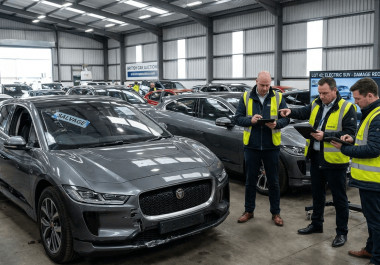
Before you even look at the physical car, you must do your background research. The auction listing should clearly say why the vehicle was written off. If this info is missing, you should treat it as a major red flag. Most sellers will provide a brief description of the primary damage area to help you filter through damaged vehicles for sale.
Requesting an engineer report is always a smart move when evaluating a vehicle. This document lists the exact damage and the initial repair estimates from the insurer. You should also check the online MOT history to look for any previous electrical warnings. These records give you a better idea of how the car was maintained before the incident.
Running a history check is also a must to confirm the category and see if there is any debt on the car. Many buyers skip this part and end up with cars they cannot legally own. Taking the time to check the paperwork ensures your money is spent on a solid car. Clear documentation is the foundation of any successful auction purchase.
Executing the Visual Inspection Protocol
Start your physical check with the charging port cover. It should sit flat against the bodywork and open with no sticking. Any misalignment suggests the area has taken a hit that might have moved the parts inside. Checking these subtle details in salvage vehicle auctions helps you avoid big bills later.
Open the port and look closely at the socket itself. You are looking for cracks in the plastic and bent or rusty pins inside. Any moisture or staining means the weather seals have failed. Healthy pins should be perfectly straight, clean, and spaced evenly across the socket.
You should also check the locking part of the assembly. Use the car's unlock button to make sure the lock moves freely without grinding. A broken lock means the cable will not stay in place. This is a safety risk and could stop the car from charging properly. If the lock is damaged, you will likely need to replace the whole housing.
Technical and Electrical System Testing
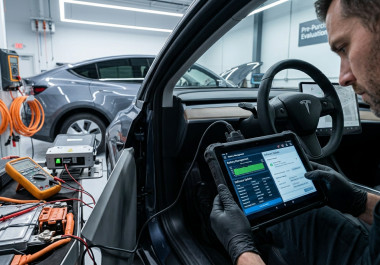
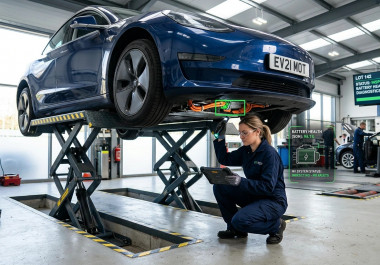
You cannot fully judge a port without checking the electrical health of the car. Start by checking the dashboard for any warning lights. Using a diagnostic scanner is the best way to find hidden fault codes in the high-voltage system. Looking through salvage inventory for models with verified data is a good way to lower this risk.
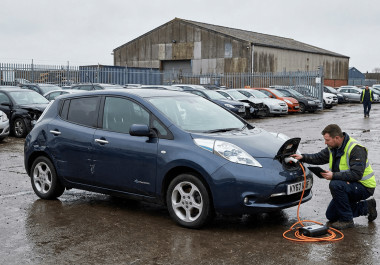
If you can, you should try to start a charge cycle. A healthy system should start the power flow within 10 to 15 seconds. Watch the screen to make sure the car is taking power at the right speed for its battery. A slow charge speed might indicate a communication fault in the port pins.
Some vehicles will take a charge but only at very slow speeds if the pins are damaged. The car works, but a standard charge takes twice as long as it should. This fault is hard to see unless you test the car while it is plugged in. Always verify that the connection feels solid and the charging session stays active for several minutes.
Common Damage Patterns in Salvage Stock
After years of watching these cars, certain patterns are very clear. Front-end bumps are common and often hit cars with ports near the grille. The body might look like an easy fix, but the socket behind it often needs to be replaced entirely. Successful buyers on online car auctions always look for these subtle clues in the listing photos.
Rear-end hits are also important to watch for on some models. Low-speed bumps can push the port assembly in and damage the wiring behind the panel. This damage is often hidden from the outside. You should look for any misaligned interior trim that might suggest the charging loom has been moved.
Flood damage is another growing worry for buyers. Even if a seller does not mention flooding, you should look for water stains under the carpets. Water getting into the electrics is a top reason why EV charging ports fail. Corrosion in the pins can develop over time, even if the car seems fine during a quick initial check.
Estimating Repairs and Bidding Strategy
Once you find damage, you need a realistic repair budget. Do not guess what it will cost. Instead, get real quotes for the parts and the specialist work. Always remember that a Category N marker will affect the resale price. Most used cars for sale with a salvage history sell for less than cars with clean records.
Fixing a high-voltage wiring loom is much more expensive than a standard wire fix. These jobs need certified technicians who charge higher hourly rates. You must also count the time for diagnostics, as finding a fault can take several hours of work. These overheads must be subtracted from your maximum bid to protect your profit.
Work out your maximum bid by taking the retail price and subtracting the repair costs and your profit margin. This careful approach keeps your money safe and ensures every buy is a smart move. Bidding discipline is the most important tool you have in a live auction environment.
The Bottom Line
Checking the electrical ports on Category N salvage EVs takes more care than checking a petrol cap. The systems are very advanced and the parts are not cheap. However, this complexity is where the best deals are hidden for buyers who know what to look for.
Most bidders are still nervous about electrics, so those with the right skills can find real bargains. By testing the gear and checking the history, you can get high-quality cars for a fraction of their retail price. The market for these vehicles is growing fast as more people move to electric power.
To see the current market and what is for sale, you can browse the RAW2K site today.
If you have any questions about how the site works or the bidding process, please contact our team for administrative guidance.
Once you are ready to start, simply open an account to begin bidding on your next vehicle today.