Electric vehicles do not simply break differently than traditional cars. They report their internal health through an entirely different digital language. When evaluating a salvage electric car at auction, buyers are no longer checking oil pressure or mechanical compression. Instead, they are facing complex diagnostic reports that require a specialized technical understanding.
Relying on traditional mechanical checks only tells half the story of an electric asset. You cannot simply listen to the motor or check the bodywork to confirm the vehicle's true condition. The actual health of an electric vehicle is buried deep within diagnostic codes and thermal management system data. Failing to interpret these details correctly often leads to purchasing an asset that requires thousands of pounds in hidden repairs.
The Digital Evolution of Vehicle Assessment
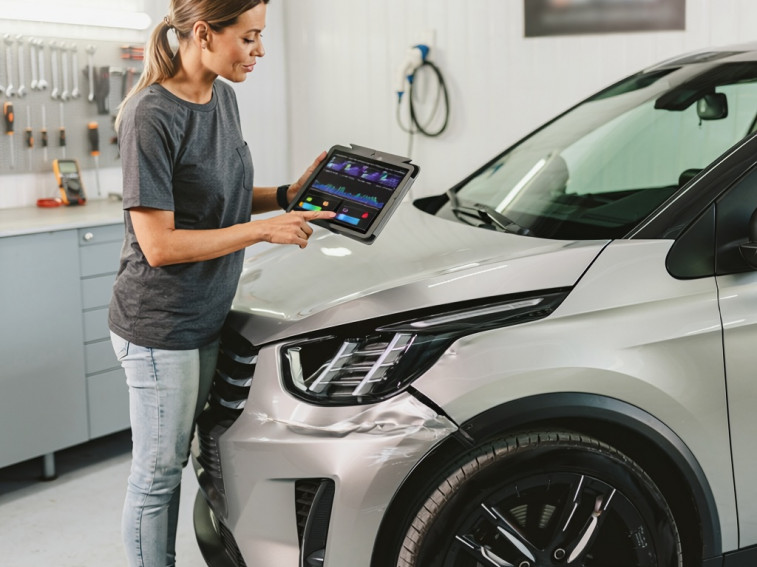
Traditional automotive diagnostics utilize trouble codes that mechanics have understood for many decades. However, electric vehicle diagnostics operate on an entirely different level of complexity. Buyers must analyze battery cell voltages, high-voltage system isolation resistance, and regenerative braking efficiency. This data provides a comprehensive view of the vehicle's underlying architecture.
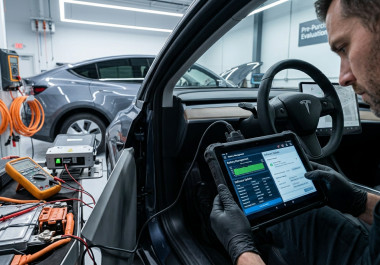
Standard code readers often fail to pull the critical information required for a proper assessment. Professional buyers must utilize manufacturer-specific diagnostic systems to access battery health data or cell-level voltage readings. Attempting to value an electric salvage vehicle without these specific diagnostic reports EV is comparable to inspecting a house without looking at the foundation. The real value exists within the data points that are invisible to the naked eye.
Understanding High-Voltage Battery Pack Data
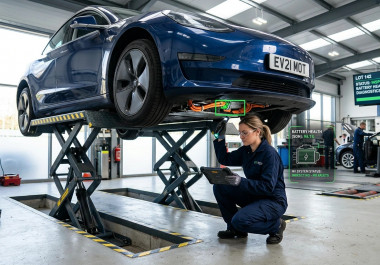
The primary battery pack represents the most significant value within any electric vehicle. Consequently, verifying its integrity is the most critical part of the assessment process. State of Health (SoH) is the primary metric used to determine how much capacity remains compared to when the battery was new. A reading between 95% and 100% indicates excellent condition, while figures below 75% suggest the need for immediate replacement.
However, the State of Health percentage alone does not reveal the complete picture. Buyers must also check for cell voltage variance within the pack. In a healthy system, individual cell groups should show readings within a very narrow range. If the diagnostic reports EV show a variance exceeding 0.1V, it often indicates potential cell failure. This type of technical insight is essential for avoiding high-risk salvage electric cars.
Power Electronics and Inverter Diagnostics
The inverter acts as the operational brain of the electric drivetrain. It manages the conversion of battery power into the energy required to move the vehicle. When reviewing a report, buyers must look closely for high-voltage isolation faults. These specific codes indicate that the high-voltage system is no longer properly isolated from the vehicle chassis.
Isolation faults are not just expensive to rectify. They represent a significant safety risk that requires immediate professional attention. Reports may also reveal thermal management system data showing repeated overheat warnings. If the inverter has been subjected to consistent high temperatures, the internal cooling system has likely failed. Identifying these faults before placing a bid is vital for anyone looking to buy salvage cars online successfully.
Evaluating Charging and Drive Systems
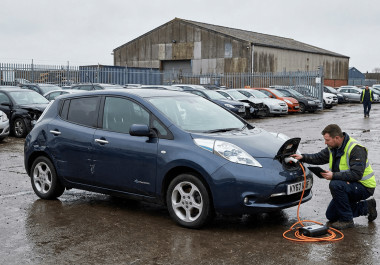
A vehicle that cannot accept a charge is essentially worthless in the secondary market. Buyers must prioritize checking for onboard charger faults, which often appear as communication errors with the charge port. If a vehicle cannot utilize DC fast charging, its practical usability and resale value drop immediately. These faults are frequently documented in the charging system section of the diagnostic report.
Electric motors are generally more robust than combustion engines. However, salvage vehicles often sustain impact damage that affects internal drivetrain sensors. Encoder faults indicate that the motor cannot accurately report its position, resulting in reduced power. These sensors are often housed deep within the motor casing. For those browsing damaged cars for sale, understanding that these repairs require specialist motor removal is a necessary part of the financial calculation.
Manufacturer-Specific Code Structures
Every automotive manufacturer utilizes different diagnostic protocols and alphanumeric code structures. For example, some brands use specific prefixes to identify whether a fault originates in the Battery Management System or the Drive Inverter. Professional diagnostic reports EV often include different alert levels to help technicians prioritize repairs. Red alerts typically indicate safety-critical component failures that require immediate isolation.
Checking for historical deep discharge events is also highly recommended. If a battery has been left completely discharged for an extended period, it can suffer permanent damage. This data is often stored in the permanent memory of the battery controller. When participating in salvage auto auctions, buyers should insist on seeing these historical logs to ensure the lithium-ion capacity retention has not been compromised by neglect.
Identifying Diagnostic Red Flags
Certain data patterns in a report should be treated as immediate warnings. Multiple battery cell faults across different modules often suggest structural impact damage to the battery enclosure. If a report shows both airbag deployment and high-voltage system codes, the collision was likely severe enough to trigger automated safety disconnects. These systems are highly sensitive and expensive to reset correctly.
Communication errors between modules are another common red flag. These errors often indicate water ingress or corrosion within the complex wiring harnesses. Such faults are notoriously difficult to diagnose and repair because the wiring runs through the entire vehicle. Successful buyers on online car bidding platforms look for these subtle signs of systemic electrical failure to avoid acquiring a problematic asset.
Bidding Strategies Based on Technical Data
Making a smart buy decision relies on accurate financial modeling based on the diagnostic data. Buyers should calculate the cost of potential module replacements if the lithium-ion capacity retention is poor. They must also factor in the premium labour rates charged by certified technicians. Simple jobs often take longer on electric models due to the mandatory safety procedures required when working around high-voltage systems.
Additionally, parts availability remains a significant factor in the total repair budget. While components for popular hatchbacks are common, parts for premium models may have long lead times. Buyers examining used cars for sale must ensure that the diagnostic data does not reveal faults that require unavailable parts. This disciplined approach separates profitable trade investors from those who learn expensive lessons at auction.
The Bottom Line
Reading diagnostic data for salvage electric cars requires a commitment to technical learning. The winners in this market are the individuals who understand these digital systems and have access to the proper tools. By analyzing battery health, isolation resistance, and thermal management system data, buyers can accurately map the risks of any acquisition.
Before bidding on a categorised asset, obtaining a full diagnostic report is the smartest move possible. If the data is absent, the safest strategy is to assume a worst-case scenario and adjust your bid accordingly. Knowledge is the most valuable currency when navigating the high-tech world of electric salvage.
To explore the latest inventory and conduct independent market research, buyers can browse the RAW2K platform to locate suitable vehicles.
If you require any administrative assistance regarding platform navigation or the registration process, please contact our team directly.
Once prepared to make a smart acquisition based on technical data, simply open an account to begin securing thoroughly checked electric vehicles today.