The landscape of purchasing salvage cars for sale and used vehicles has been fundamentally altered by global supply chain issues and rapidly increasing repair costs. For both private bidders and professional dealers, this shift demands a more calculated and informed approach to the UK vehicle auctions market. Understanding how these financial pressures influence initial vehicle value and final project expenditure is critical for securing a profitable or rewarding deal. This guide will help you interpret these trends and adjust your bidding strategies to maintain success when buying through RAW2K Vehicle Auctions.
The Financial Impact of Modern Vehicle Repairs
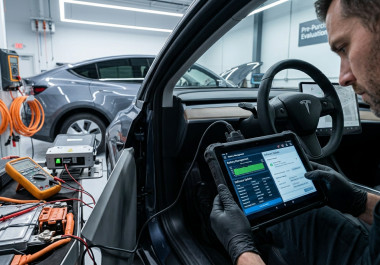
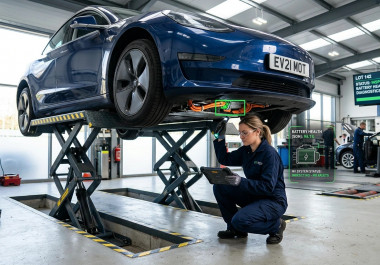
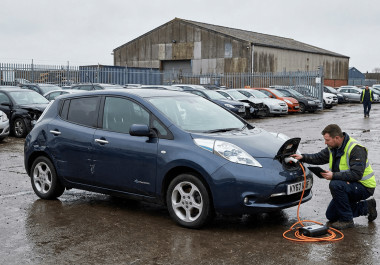
The increase in repair expenses is not solely driven by inflation; it is deeply rooted in the technological evolution of modern vehicles. Highly complex electronics, advanced driver-assistance systems (ADAS), and specialised components in hybrid and electric vehicles now mean even minor body damage can require costly diagnostic and calibration work. This escalation directly affects the viability of repairing certain lots, fundamentally shifting how costs affect car buyers in today's market.
Why Modern Repairs Drive Up Salvage Values
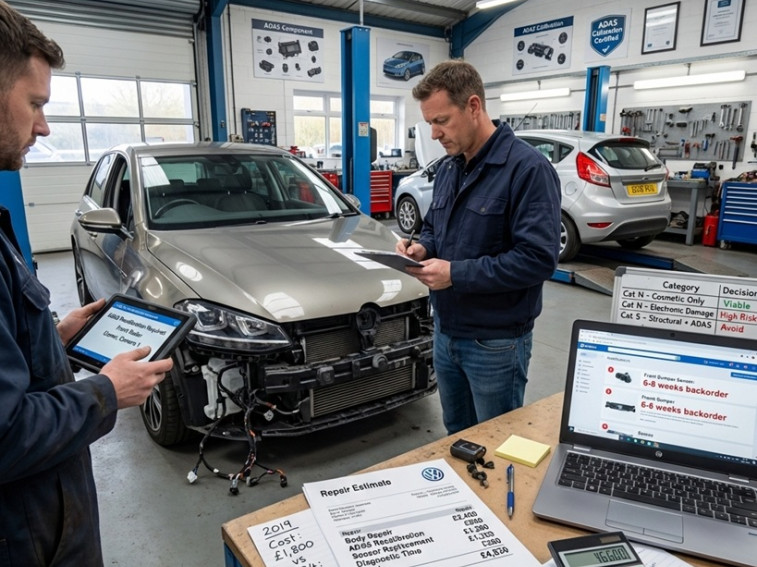
Modern vehicles are engineered with sophisticated systems that are expensive to fix when compromised. A small impact that damages a bumper sensor cluster, for instance, often requires specialist recalibration that few independent garages can perform. Insurance companies are increasingly writing off these technologically complex cars as Category N or Category S damage, even if the primary structural damage is limited. This is precisely how rising repair costs transform many borderline repairable cars into high-risk projects.
This complexity means the line item for "labour" in any repair estimate has expanded significantly. Buyers need to verify the availability of local, certified repair specialists who can handle these intricate systems, especially for newer models. Failure to budget for specialist work can lead to a project car becoming an overwhelming financial burden when dealing with rising repair costs.
Understanding the Spare Parts Supply Chain
Delayed access to spare parts has become a major factor influencing the time and cost associated with vehicle repair. Certain OEM components, especially those related to computer modules or niche body panels, can take weeks or even months to arrive. This significantly impacts the profit cycle for dealers who rely on fast turnaround and immediate resale.
The increased waiting time carries a hidden cost: storage. If a repair unit is taking up space in a professional workshop while waiting for a part, that space cannot be used for a higher-margin job. Buyers must research the scarcity of needed parts before bidding, especially for imported or limited-run models, to avoid being caught out by unforeseen delays and escalating overheads.
Navigating the Market Shift from Repair Costs
The high-cost environment forces every buyer to reassess what constitutes good value at auction. The days of buying any cosmetically damaged vehicle and guaranteeing a profit are largely gone. Success now depends on pivoting your focus towards lots that offer clear repair pathways and identifiable high-value components through auction inventory listings. This strategic adaptation is essential to counter the current market shift from repair costs.
Strategic Bidding on Category N and S Vehicles
Discipline is paramount when placing bids on salvage vehicles. Since repair estimates are higher, your maximum acceptable hammer price must be lower to maintain the necessary buffer for profit or savings. Focus intently on the damage description: an engine that runs with no smoke is generally more valuable than pristine bodywork surrounding a seized motor.
When evaluating a Category S (Structural) vehicle, confirm the exact nature of the structural damage and its location. If the damage is in a non-critical, easily replaceable area, the lot might be viable. For a Category N (Non-Structural) car, prioritise damage that is primarily cosmetic, such as damaged panels or upholstery, over costly electrical faults that are harder to trace and fix.
Focus on Mechanical Over Structural Damage
In today's market, buyers are seeing a compelling advantage in acquiring vehicles with purely mechanical faults, provided the body and interior are sound. While engine and gearbox repairs are substantial, the costs are often more predictable and the labour more widely available than complex structural repairs requiring specialist jigs and equipment. This preference is a direct result of the market shift from repair costs toward predictable project scopes.
Conversely, a vehicle with seemingly minor body damage might hold hidden structural issues that lead to astronomical repair bills. For the private buyer, treating the valuation process like preparing a budget for a home extension is wise: always add a significant contingency fund. For example, successful bidder Mark budgeted £5,000 for body repairs on his Category N win but added a 20% contingency after researching labour rates, which covered a necessary suspension component replacement discovered post-collection.
Adapting Your Buyer Profile and Valuation Strategy
The ideal auction purchase changes depending on whether you are a high-volume professional dealer or a single-unit private individual. Both buyer types need to sharpen their financial planning, but their primary focus on profit versus savings demands different risk tolerances and acquisition tactics. Understanding how costs affect car buyers at different levels helps inform strategy.
The Dealer's Perspective: Sourcing Profitable Stock
Professional dealers must operate with an even stricter focus on return on investment (ROI) than before. They need to calculate their maximum bid price not just on repair costs, but on the speed of resale. This is crucial for managing cash flow and space at their premises. They are now primarily targeting vehicles that offer:
High Scrappage Value: Lots where the sum of individual components sold as spares exceeds the vehicle's purchase price.
Minor, High-Volume Repairs: Common models with easily fixed issues like minor accident damage or simple mechanical faults that guarantee a fast turnaround through complete car inventory listings.
Niche Inventory: Looking beyond standard cars to areas like commercial vehicle auctions, where demand from small businesses remains strong and repair complexity can sometimes be lower than modern passenger cars.
Dealers are also increasingly looking at regional availability to save on transport costs. Sourcing stock locally can reduce the overall expense and logistics involved in high-volume acquisition.
Practical Budgeting for the Private Buyer
Private buyers, who are driven by saving money rather than maximising profit, must be particularly realistic about their personal skill set and access to repair resources. If you don't have the skills or a trustworthy garage, that potential bargain salvage car can quickly become an expensive ornament. This is how costs affect car buyers at an individual level, demanding transparency about capability.
Before bidding, always obtain quotes for both labour and parts from two independent sources. Remember that you need a collection plan and adequate funds available immediately after the auction concludes. Understanding rising repair costs before bidding protects your budget.
Finding Value in Regional and Specialised Auctions
As competition for the most easily repairable popular used cars increases, smart buyers are diversifying their search to less obvious categories and regional listings. The broad network across the UK offers opportunities in less densely populated bidding areas, often yielding unexpected finds.
The Benefit of Regional Listings
Fewer bidders generally means lower final hammer prices. While bidding online allows access to every lot, focusing on regional listings can provide a crucial competitive edge through strategic locations. Auction centres in certain areas might see lower demand for specific types of vehicles compared to high-density areas. This provides a genuine advantage for local dealers and private buyers willing to travel slightly further for collection.
Exploring Commercial and Niche Vehicle Auctions
Commercial and niche vehicle categories can offer stable investment opportunities away from the fierce competition of passenger cars. Dedicated auctions often feature end-of-life fleet vehicles that are mechanically sound but require cosmetic refurbishment, offering a predictable repair budget despite rising repair costs.
Similarly, specialist auctions present unique opportunities for restorers through motorcycle auctions. Bikes often have fewer complex electronic systems than modern cars, meaning repairs can be more straightforward and parts, while sometimes rare, are typically less expensive than high-tech automotive components. Diversification is key to mitigating the high repair cost risk currently affecting the main car market.
Your Next Steps in Confident Auction Buying
The current increase in repair costs necessitates a shift from optimistic bidding to analytical valuation. By focusing on detailed pre-auction diligence, setting clear maximum price limits, and understanding the true total cost of ownership, you can still thrive in the salvage cars for sale market. Adaptation is the key to maintaining a competitive edge despite the market shift from repair costs.
To start applying these strategies and to browse the thousands of lots that move through our system weekly, register today and explore the full range of listings available. The informed and disciplined bidder will always find the best opportunities.