The automotive sector is undergoing a profound transformation, moving rapidly toward electrification and heightened sustainability standards. Yet, the current fleet of vehicles, including millions of cars, vans, and motorbikes, must still be managed responsibly once they reach the end of their usable life. This lifecycle management plays a fundamental, often overlooked, role in supporting the UK's Net Zero Goals. By maximising the recovery of materials and parts, the vehicle auction and recycling industries ensure that fewer resources are wasted and material production demands are reduced. Understanding this circular process allows buyers, both trade and private, to appreciate the broader environmental benefit of every salvaged purchase through RAW2K Vehicle Auctions.
The Journey to Sustainable Material Recovery
Every vehicle eventually reaches its status as an End-of-Life Vehicle (ELV), whether through damage, mechanical failure, or simply old age. What happens to these vehicles next is critical to reducing waste and promoting resource efficiency across the nation. ELVs are not just scrap metal; they are a valuable resource stream containing tonnes of reusable metals, glass, and plastics. This material recovery is essential for the long-term viability of the UK's green economy and its commitment to sustainability through vehicle recycling for net zero.
The Role of Authorised Treatment Facilities (ATFs)
Once a vehicle is officially designated as an ELV, it must be processed legally through an Authorised Treatment Facility (ATF). These facilities are licensed by the Environment Agency and adhere to strict environmental standards dictated by European and UK legislation. Only a fully licensed Authorised Treatment Facility can legally handle the depollution stage, which involves safely removing all hazardous materials, fluids, and components. This prevents harmful substances like oils, brake fluids, and batteries from contaminating the environment.
Maximising Parts and Component Reuse
Before an ELV is shredded, everything possible must be dismantled for reuse or refurbishment. High-value, functioning components like engines, gearboxes, alternators, and headlights are carefully removed and catalogued for resale. This crucial step supports a circular economy, providing affordable, tested parts for repairing other vehicles still on the road. For buyers, the availability of specific vehicle types helps target parts for commercial fleet repairs through auction inventory. Purchasing a salvage car at auction purely for its components is therefore a direct contribution to waste reduction, extending the life of countless other vehicles.
Recycling Cars for Net Zero and Resource Efficiency
Moving away from relying on virgin materials is a core principle of achieving the UK's climate targets. The process of vehicle recycling delivers significant energy savings compared to mining, processing, and manufacturing new raw materials. Embracing vehicle recycling for net zero makes recycling cars for net zero a practical and immediate method of carbon reduction within the automotive supply chain. When you purchase a vehicle, either running or salvage, at a reputable auction, you're participating in an efficient system of resource allocation.
Reducing the Automotive Carbon Footprint
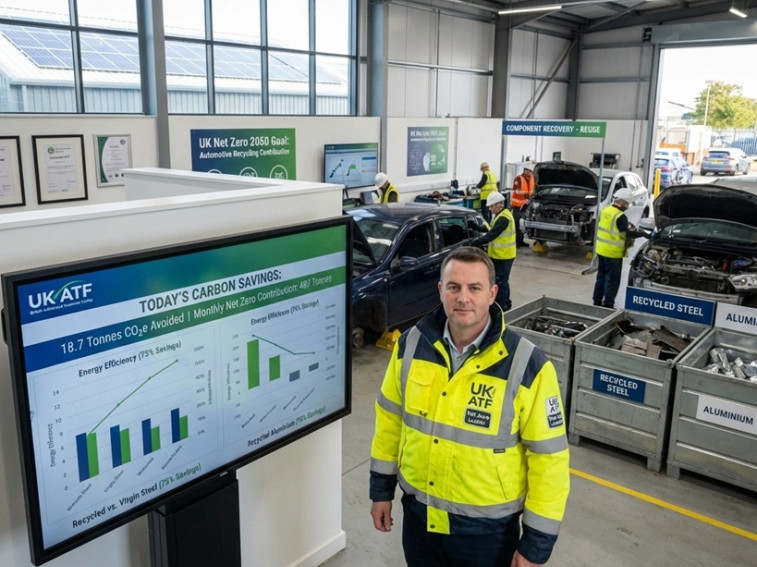
Automobiles are predominantly made of steel, aluminium, and various plastics, all of which require vast amounts of energy to produce from scratch. Recycling steel, for example, consumes about 75% less energy than creating new steel, demonstrating the substantial energy gains. Aluminium recycling is even more efficient, saving up to 95% of the energy needed for primary production. These materials are processed after depollution and dismantling, turning former waste into high-quality feedstock for new manufacturing. This continuous cycle of vehicle recycling for net zero directly contributes to UK climate goals by offsetting industrial emissions.
The Power of Material Separation
Modern recycling techniques ensure extremely high recovery rates, with the UK striving to meet targets exceeding 95% of the vehicle's weight. After reusable parts are removed and hazardous materials are safely dealt with, the remaining shell is shredded. Sophisticated separation processes then use magnetism and fluid dynamics to separate metals from non-metals, glass, and textiles. The scale of these operations demands reliable supplies of End-of-Life Vehicle stock, which is where large-scale operations play a vital role in the national supply chain through complete car inventory. This meticulous sorting ensures maximum purity of the final recycled materials, making them more valuable and usable in future products.
The Connection Between Auctions and Sustainability
Auctions, particularly those dealing with damaged or seized stock, serve as the crucial marketplace linking the end-of-life process with reuse and repair. They ensure that vehicles retain a market value based on their repair potential or component value, rather than being discarded prematurely. This incentivises repair and reuse, which is always environmentally preferable to recycling. This transparent marketplace connects sellers with a nationwide network of professional buyers.
Consider a small dealer who buys a damaged vehicle with a pristine engine. That engine is removed and fitted into an identical, well-maintained van where the original engine failed, instantly giving the second van years more life and keeping a perfect vehicle on the road. The damaged shell is then sent for materials recycling, completing a highly efficient, two-part process that supports recycling cars for net zero. This market efficiency is a primary driver of UK climate goals. Buyers of personal transport like scooters or motorbikes can find suitable salvage parts at motorcycle auctions, further promoting reuse over purchasing new.
Bidding on Sustainability: Your Part in the Process
Your involvement drives this sustainable economy, whether you're sourcing vehicles for a local breaker yard or buying a salvage car for a rebuild project. You are making an active choice to extend the life of a vehicle or to facilitate the recovery of its materials. This market dynamic ensures that every vehicle, regardless of condition, is given the maximum opportunity to provide value.
Prioritise Repairable Salvage: Focus on Category N or less severely damaged Category S vehicles if your goal is repair and reuse.
Target Specific Components: Look for lots with high-value, undamaged parts you need for another repair, reducing your reliance on new parts manufacturing.
Ensure Legal Collection: Always use appropriate transport for non-runners, ensuring a safe and compliant handover to the recycling or repair facility via strategic locations.
Supporting a Greener Future
This systematic approach to dealing with damaged and end-of-life vehicles provides a tangible way for the automotive sector to contribute to recycling cars for net zero. By participating in the auctions, you are supporting the largest resource recovery effort in the UK. If you have any questions about specific vehicle categories or the required documentation for collection, assistance is readily available. Register today to access the full range of sustainable vehicle options. Every responsible purchase supports a greener future.