The UK used car market has experienced unprecedented volatility over the last few years, driven by global supply chain disruptions and escalating inflation. These macroeconomic pressures don't just affect the cost of a new car; they fundamentally reshape the value and availability of vehicles across the entire spectrum, including the used and salvage car market. For both private buyers and professional dealers, understanding this shift is crucial for profitable decision-making at auction. This expert guide details how inflationary pressures are creating new opportunities and challenges for those looking to secure assets.
Successfully navigating this environment requires adapting traditional bidding strategies to account for the true, inflated cost of ownership or repair. Many more buyers are turning to vehicle auctions as new vehicle prices become increasingly out of reach. This heightened demand affects everything from entry-level family hatchbacks to specialist commercial fleets.
How Macroeconomics Influences Auction Demand
When the cost of living rises, consumers and businesses naturally seek greater value and efficiency in their major purchases. The pressure on household budgets means fewer people can afford brand-new cars, pushing them into the second-hand and salvage markets. This dynamic creates a ripple effect that directly impacts the final hammer price at auction.
New Car Shortages and Auction Demand
Global events have severely constrained new car manufacturing, leading to extended wait times and limited supply on dealer forecourts. This artificial scarcity drives up the value of used cars that are immediately available, making them viable assets for both personal use and resale. Consequently, vehicles that enter the auction market, whether ex-fleet or dealer trade-ins, fetch higher prices than in previous years.
Used Car Prices and Consumer Behaviour
As new car prices climb, the demand for used vehicles follows suit, creating intense competition across all segments. This trend means that even marginal vehicles, such as older models or those with high mileage, command a stronger market price. Buyers are often forced to adjust their expectations or turn to salvage options for their projects, seeking the lowest possible entry point. This shift ensures auctions remain a vital barometer for real-world vehicle demand and pricing.
Navigating the Dynamics of Salvage and Repair Costs
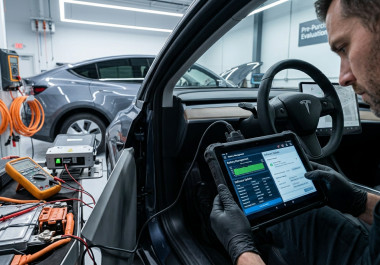
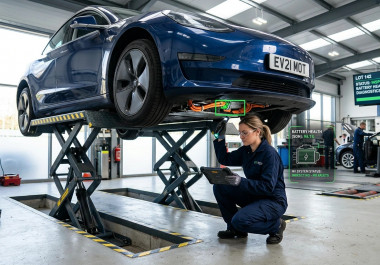
While the auction price might seem appealing, rising costs in car trading can quickly erode potential profit margins if not calculated meticulously. Dealers must now factor in significantly higher prices for parts, paint, and specialist labour when preparing a car for resale. For a salvage car buyer, the repair budget must be the primary focus when assessing value.
Understanding Inflation Salvage Prices
The increased demand for affordable stock directly affects inflation salvage prices across the sector. Since fewer vehicles are being scrapped and more people are looking for cheap parts or repairable stock, the cost of Category N and Category S vehicles has grown. The vehicles that enter the market are being bid on competitively by a larger pool of potential buyers. The analogy here is simple: if the price of housing soars, people start bidding higher on plots of land to build their own, even if the building materials themselves are also becoming more expensive.
Understanding inflation salvage prices means recognising that the auction hammer price is only the starting figure. The real investment begins with the repair phase, where every component from replacement glass to electronic modules now carries a premium. This reality affects inflation salvage prices at every level, from low-value commuter cars to premium salvage lots.
The Reality of Rising Costs in Car Trading
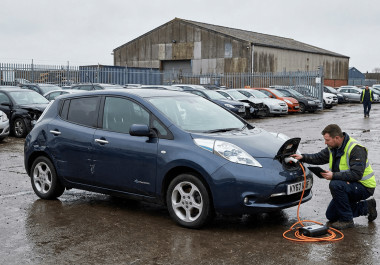
It's crucial to remember that a salvage car is merely the starting point; the real investment is the repair. Rising costs in car trading reflect inflated prices for essential components, from microchips for complex electronics to simple sheet metal for bodywork. This pressure means dealers need impeccable budgeting and strong supplier relationships to complete repairs without dramatically exceeding their total project cost. Even simple logistics, like transporting a vehicle won after a competitive bidding session, now cost more due to rising fuel and labour rates. This is why browsing regional locations can help minimise transport overheads.
Adapting Your Bidding Strategy for Profitability
In an inflated market, bidding requires even more discipline than before. You aren't just bidding against other buyers; you're bidding against the market's expectation of future cost increases. Successful participants must set an absolute ceiling price that ensures profitability even after accounting for the inflated repair and operational costs.
Adjusting Your Total Project Budget
The key to successful purchasing is always factoring in repair and transport costs before the hammer price. For instance, an experienced fleet manager assessing a batch of vehicles must account for the higher cost of tyres, servicing, and transport. They might increase their repair buffer by 10-15% compared to two years ago to mitigate these risks. This proactive budgeting is what separates successful auction buyers from those who end up overcapitalising their assets.
When calculating your maximum bid, always work backwards from the expected resale value. Subtract your estimated repair costs (inflated by current market rates), transport fees, and desired profit margin. The resulting figure is your absolute ceiling. This disciplined approach protects you from emotional bidding that can destroy profitability when dealing with inflation salvage prices.
Focusing on High-Value Categories
In periods of economic uncertainty, certain vehicle types hold their value or offer disproportionately high resale potential due to essential utility. Commercial vehicles like small and large vans are consistently in high demand due to the continued growth of delivery and trade services. Similarly, specialist vehicles or assets may offer niche markets less affected by mainstream price volatility. Successful buyers often pivot their focus to these segments when core passenger car pricing becomes too competitive, exploring options through bikes auctions for alternative opportunities.
A Scenario in Salvage
Consider a dealer, Sarah, who needs to source ten repairable cars for her garage. She notices that inflation salvage prices have pushed the average price of a Cat N Ford Focus up by £300 compared to last quarter. Instead of increasing her entire budget, Sarah shifts her focus to Cat N cars requiring lighter cosmetic repairs, thus reducing the labour cost component of her total spend. By focusing on Category N vehicles from less common regional areas, she maintains a competitive acquisition price while minimising her exposure to rising costs in car trading within her repair shop.
Sarah's success demonstrates the importance of adaptability. When inflation salvage prices rise in one segment, smart buyers identify alternative categories or damage profiles that offer better value. She also leveraged her existing supplier relationships to secure fixed-price quotes on common repair parts, effectively hedging against further component price increases.
Market Transparency in Volatile Times
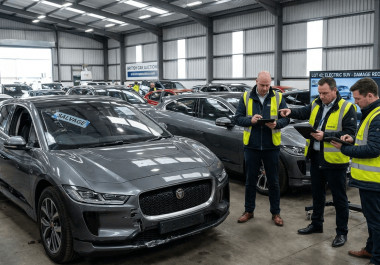
Transparency is the best tool against market volatility. Detailed Vehicle Condition Reports (VCRs) and high-quality photography provide all the necessary data to perform an accurate appraisal, even when buying remotely. The aim is to provide clarity in a complex market by offering comprehensive auction listings through all cars categories.
By providing clear categorisation of salvage vehicles (Category S and Category N) and detailed damage reports, buyers know exactly what they are bidding on. This information is vital for accurately estimating repair costs and avoiding budget overruns. Ultimately, access to reliable data allows you to adapt quickly and maintain profitability in changing economic conditions.
A wide range of regional sales offers local sourcing opportunities that help reduce transportation expenses, one of the key rising costs in car trading. National coverage ensures competitive stock availability regardless of your location. By remaining informed and disciplined, you can continue to find great value in the UK auction market despite the challenges posed by inflation salvage prices. Register today through RAW2K Vehicle Auctions to access transparent listings and expert market analysis that will help you navigate these volatile economic conditions.