The transition to a circular economy is a major challenge for the UK automotive sector, pushing for more sustainable practices across all stages of a vehicle's lifespan. Every purchase, repair, and dismantling decision made within the secondary market directly impacts this environmental goal. For both professional dealers and private buyers, sourcing vehicles through RAW2K auctions represents an active contribution to resource efficiency. By engaging with this process, you help ensure that materials and components are recovered and reused instead of simply being discarded. This systemic approach is essential for achieving a cleaner and more efficient future for the UK's roads and repair industry.
The Vehicle Life Cycle: Auctions as the Green Gateway
The vehicle auction platform serves as the most critical gatekeeper in preventing premature disposal of valuable assets. When a vehicle is damaged, seized, or declared an economic write-off by an insurer, its fate is decided at auction. The marketplace quickly determines the highest value use, efficiently steering repairable cars back onto the road and parts-rich vehicles towards responsible dismantling. This maximises utility and drastically limits the flow of potentially viable stock to traditional scrap yards, demonstrating cutting waste in auto trade principles.
Deciphering Salvage Codes for Resource Recovery
Sustainability begins with clarity; knowing the vehicle's salvage category defines its path to recovery and repair. These categories are the foundation of waste management within the secondary auto market. Every buyer involved in this process must understand the difference between a repairable asset and one destined for professional dismantling. This awareness ensures that resources are allocated correctly, whether for bodywork, mechanical repair, or parts reclamation.
Repair and Reuse (Category N and S)
These categories represent the greatest opportunity for extending a vehicle's working life, which is the most sustainable option. Buyers seeking vehicles for repair should focus on Category N (non-structural damage) and Category S (structural damage requiring professional attention). To efficiently identify repairable stock and compare options, buyers should regularly check vehicle auction listings.
Legal Dismantling (Categories A and B)
These vehicles are classified as end-of-life vehicles (ELVs) where the body shell must be crushed. Buying these means contributing to responsible recycling. Category A must be entirely scrapped, while Category B allows the recovery of valuable components before the chassis is destroyed, ensuring hazardous materials are managed correctly.
Smart Sourcing: Strategies for Cutting Waste in Auto Trade
The commitment to cutting waste in auto trade is realised through the intentional buying strategies of dismantlers and garages that procure stock via auction. Instead of purchasing new parts from a distributor, these professionals acquire entire damaged vehicles to build a highly efficient parts inventory. This direct procurement model is superior for resource efficiency, ensuring that every functional component is recovered before the vehicle shell is processed.
The Circular Economy of Parts and Components
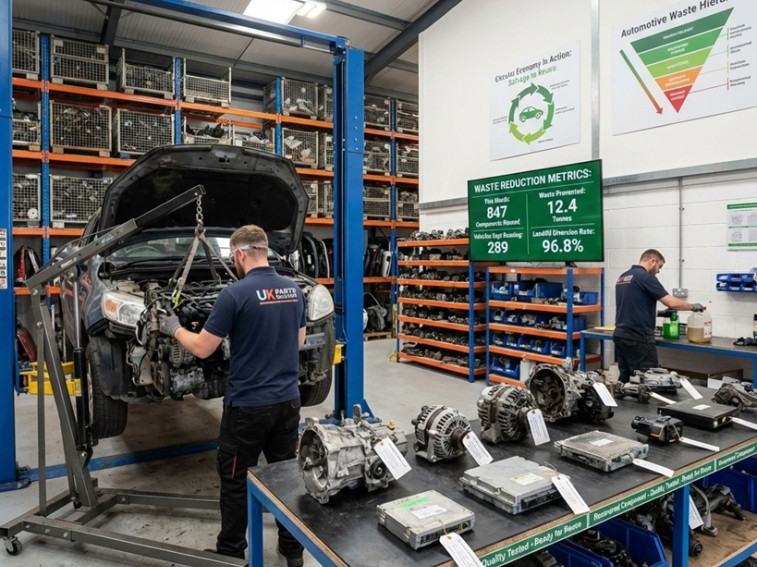
The journey of an auctioned vehicle exemplifies the circular economy in action, where one car's end becomes another's life extension. For example, a quality engine removed from a Category B write-off can be sold to keep a similar model running for thousands more miles. This keeps high-energy-cost components out of the initial material recycling loop, saving significant energy and emissions. For specialists, buying entire vehicles for dismantling is cost-effective and environmentally sound.
For a skilled dismantler, the purchase cost of a non-running vehicle is often recouped by selling just a few major components, like a transmission or a dashboard assembly. The remaining parts, from trim to wiring, are a bonus contribution to resource efficiency. This is how the market incentivises waste reduction and supports the sustainable supply of 'green parts' through passenger car auctions.
The Repairer's Sustainable Advantage
Garages and private builders who restore, repair, and salvage vehicles perform a significant, high-value recycling act. By restoring a vehicle like a Cat N to roadworthy condition, they prevent a resource from being sent to waste and reduce demand for a newly manufactured equivalent. For repair professionals who utilise regional stock to lower transport costs, this approach is both financially and environmentally intelligent. Many specialists find it easier to manage logistics by targeting regional stock available across the UK.
This sustainable method requires skill and commitment; the repairer focuses on fixing the original structural damage rather than simply replacing entire sections. This allows for restoration with minimal material consumption, which is the cornerstone of sustainable vehicle management. Choosing a repairable salvage vehicle over a brand-new model dramatically reduces the vehicle's overall carbon footprint over its lifespan and exemplifies cleaner production in auto industry practices.
Driving Cleaner Production in Auto Industry Practices
The auction and dismantling sectors heavily influence cleaner production in auto industry manufacturing by providing critical data on material durability and recovery ease. Design engineers use this feedback to create vehicles that are easier to recycle and disassemble. The industry is constantly working to improve material use and reduce the environmental impact of disposal.
Responsible Disposal of Hazardous Materials
A key stage in responsible waste management is the safe and legal removal of all hazardous materials before a vehicle is processed for metal recycling. Strict UK regulations mandate that Authorised Treatment Facilities (ATFs) handle this process. When buying a Category A or B vehicle, you are trusting that the subsequent disposal adheres to the highest environmental standards through regional auction sites.
Critical hazardous materials requiring secure handling and removal include:
-
All operational fluids, such as oils, brake fluid, and engine coolants
-
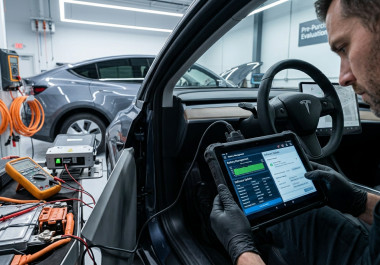
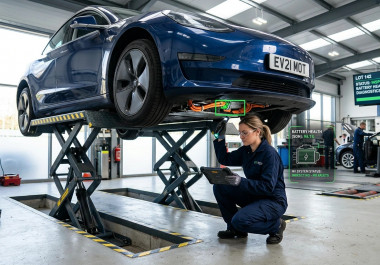
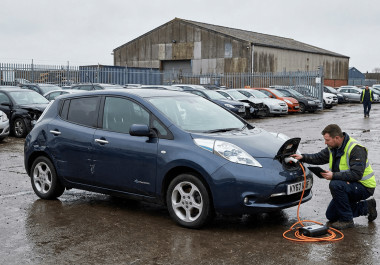
Advanced battery systems, including high-voltage units found in hybrid and EV models
-
Pyrotechnic safety components like airbags and seatbelt pretensioners
-
Any residual components containing prohibited substances like mercury
Future Trends: Supporting Design for Disassembly
The focus of vehicle design is shifting towards design for disassembly, using fewer mixed materials and making components easier to separate at the end of life. This means future generations of vehicles will be almost entirely recyclable. By participating in the secondary market for parts and repairable salvage, buyers are helping to establish the commercial demand for these sustainable design choices. The ultimate goal is a closed-loop system where nearly all of a vehicle's mass is either directly reused or recycled back into raw material.
If you're ready to incorporate this sustainable sourcing approach into your business or private repairs, you can begin by exploring the current opportunities. Create an account to access comprehensive listings and start contributing to cutting waste in auto trade across the UK.