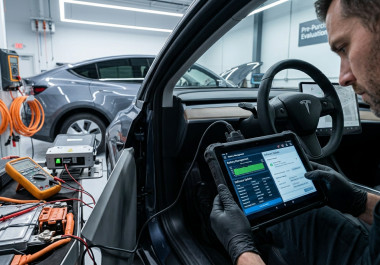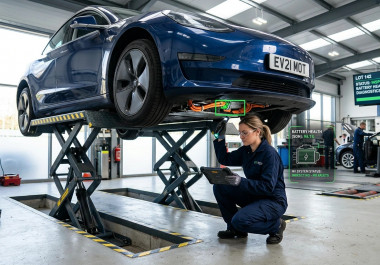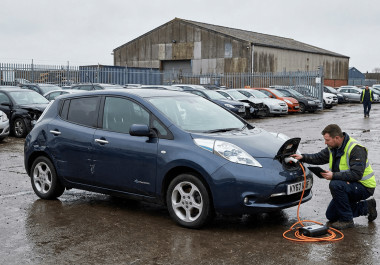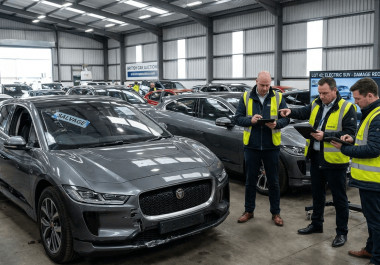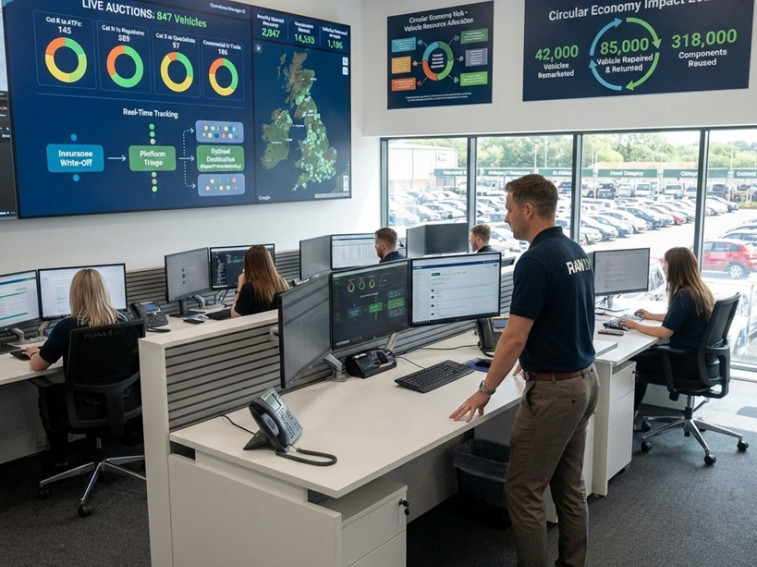
The global economy is undergoing a fundamental transformation, shifting from a traditional linear "take-make-dispose" model to a circular one centered on resource retention, reuse, and recycling. In the UK automotive sector, which manages millions of End-of-Life Vehicles (ELVs) annually, this transition is critical for meeting national sustainability goals. Vehicle remarketing platforms are now indispensable components of this new, resource-efficient ecosystem, operating as logistical gateways for redirecting assets away from waste streams through our auctions.
The Auction Pathway: A Catalyst for Reutilisation
Online vehicle auctions are inherently circular because they provide an efficient, transparent marketplace for pre-owned, damaged, and salvage assets. Every vehicle listed on these platforms represents a resource being channelled into its next phase, whether that's repair, parts harvesting, or certified material recovery. This resource is kept in productive use, significantly reducing the demand for virgin raw materials, demonstrating how Raw2K promotes recycling at a fundamental level.
The platform acts as a crucial hub that channels cars, vans, and motorcycles into their highest-value next life, whether that involves full restoration, parts harvesting, or certified material recovery through comprehensive vehicle auction platform listings.
How Raw2K Promotes Recycling Through Salvage Triage
The most environmentally important function of a salvage auction is determining the appropriate endpoint for heavily damaged vehicles. This process is governed by strict UK regulations, ensuring that all ELVs are treated responsibly. The UK mandate requires that at least 85% of an ELV's average weight must be recycled, with a 95% recovery target, placing a high value on material extraction.
The platform ensures that vehicles classified as Category A (scrap only) and Category B (break for parts only) are strictly acquired by professional dismantling companies and Authorised Treatment Facilities (ATFs). This mechanism demonstrates how Raw2K promotes recycling by providing a critical logistical link between damaged assets and professional recyclers who can meet these demanding governmental targets. This systematic approach to salvage triage ensures that every vehicle enters the most appropriate recycling pathway, maximising material recovery and environmental benefit.
Maximising Vehicle Lifespans and Component Reuse
For vehicles that can be repaired, extending their life is the most straightforward way to support sustainability. The platform is continuously populated with reliable used vehicles that simply need a new owner. Even assets classified as salvage, such as those in Category N (non-structural damage), often require only minimal repairs through full car selection categories. This immediate reuse phase offers considerable economic benefit to the buyer while dramatically cutting down on overall waste.
When a vehicle is designated for breaking, its undamaged internal components are extremely valuable. Professional dismantlers harvest, test, and sell major items like engines, gearboxes, and body panels as green parts, extending the life of countless other cars currently on the road. This component reuse cycle is central to Raw2K and eco responsibility, ensuring maximum value extraction from every vehicle while minimising environmental impact.
The Regional Impact: Efficiency in Logistics and Commercial Assets
The circular economy isn't solely focused on passenger cars; it encompasses all assets that hold significant material value, including commercial and specialist vehicles.
Driving Commercial Vehicle Resource Efficiency
Commercial assets represent substantial material volumes. A damaged commercial van might be too costly to repair for a small business owner, but it's an excellent source of heavy-duty parts, axles, and bespoke mechanical components for fleet mechanics. Extending the life of commercial transport vehicles through parts reuse has a magnified environmental effect, as these vehicles typically have higher annual mileage and require more frequent maintenance, demonstrating Raw2K and eco responsibility in the commercial sector.
Raw2K and Eco Responsibility in Local Markets
By operating a vast network of regional auction locations and working with partners across the UK, the platform supports the reduction of unnecessary vehicle transport through local auction venues. Buyers can often source vehicles closer to their base of operation, whether they are focused on regional auctions or require a reliable dismantler nearby. Minimising the distance a salvage or used vehicle needs to travel between collection and its final destination lowers logistical carbon emissions. This focus on efficient regional processing demonstrates Raw2K and eco responsibility in reducing the environmental footprint associated with auction transactions.
The regional approach to vehicle remarketing ensures that local economies benefit from the circular flow of automotive resources. Dismantlers, repair specialists, and parts dealers can access inventory without incurring excessive transport costs or environmental impact. This localised circular economy model strengthens community-based businesses while supporting national sustainability goals, embodying how Raw2K promotes recycling at every level of operation.
Making a Confident, Sustainable Choice
The ultimate success of the circular economy relies on informed participation from both sellers and buyers. When you register for access and bid, you are actively participating in a sustainable system that keeps materials in circulation. Buyers should always remember that every Cat S vehicle they choose to repair and every Cat B vehicle a dismantler buys contributes directly to resource conservation, demonstrating practical Raw2K and eco responsibility.
Understanding vehicle categories and their environmental implications allows participants to make informed decisions that align with both economic and sustainability goals. Category N vehicles offer opportunities for straightforward repair and extended use, while Category B vehicles ensure maximum component recovery. This knowledge empowers buyers to select the most appropriate lots for their business model while supporting the broader circular economy objectives that define how Raw2K promotes recycling across the UK automotive sector.