Spotting a Category N commercial van at a tempting price requires strict commercial discipline if the listing states the vehicle is a non-runner. This single descriptor impacts everything from collection logistics to the final acquisition margin. Understanding these specific labels is essential because acquiring a loadable non-runner determines the exact logistical requirements and financial overheads of the entire transaction.
Experience in the salvage trade dictates that buyers frequently underestimate the reality of a vehicle that lacks propulsion. It involves calculating complex logistics, accounting for hidden overheads, and setting realistic mechanical expectations long before the bidding begins. The difference between these operational states is primarily financial rather than strictly mechanical. Mastering various auction condition descriptors represents the first mandatory step toward a profitable commercial purchase.
Defining the Non-Runner Status
A non-runner is a vehicle that will not start, cannot move under its own power, or is deemed entirely unsafe to drive. However, this definition covers a broad spectrum of mechanical failure symptoms. Specific units might merely require a replacement battery or a straightforward fuel pump installation to return to operational status. Conversely, others could harbour a seized engine block or a completely shattered transmission system.
Typically, non-runners fall into specific commercial categories. Some simply refuse to ignite due to complex electrical issues or immobiliser faults. Others might start but lack mobility because the clutch assembly or braking components have seized. In severe instances, the vehicle has suffered catastrophic engine failure or heavy structural trauma. Evaluating a loadable non-runner demands a strict, pre-calculated recovery plan before any working capital is deployed.
Understanding What Loadable Means
The term "loadable" represents a critical operational middle ground between a functioning vehicle and a total non-mover. It indicates the vehicle remains a non-runner, but it is mechanically capable of being loaded onto standard transport without excessive struggle. This distinction matters significantly for trade professionals because it dictates the specific type of recovery equipment required to execute the collection.
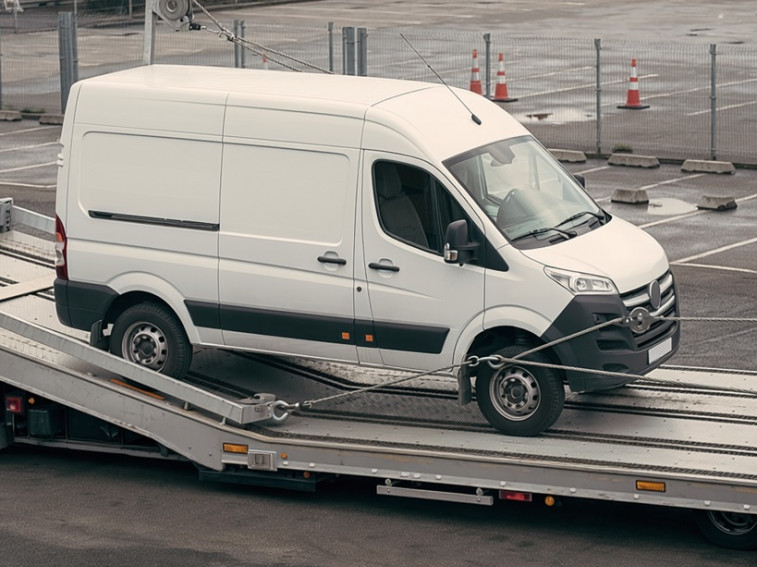
A loadable vehicle generally possesses wheels that turn freely and steering geometry that remains unlocked. Consequently, transport operators can push, pull, or winch the chassis onto a standard recovery trailer without requiring specialist lifting cranes or heavy-duty skates. Consider "loadable" as a logistical problem manageable with standard commercial equipment. This specific status typically reduces total vehicle recovery costs because the loading process is substantially faster and significantly less complex.
Factoring in the Hidden Financial Costs
Inexperienced participants are frequently caught off guard by the mandatory expenses existing beyond the digital hammer price. When bidding on non-movers, commercial operators must factor in these additional overheads before establishing a maximum bid ceiling. Transport overheads fluctuate wildly depending on the total distance and the physical dimensions of the asset. Moving a small hatchback locally is inexpensive, but transporting a large commercial 4x4 across the country requires a substantial logistics budget. This is exactly why successful trade bidders meticulously calculate their vehicle recovery costs as part of their initial digital research phase.
Storage fees also accumulate rapidly if the buyer cannot collect the vehicle within the platform's strict deadline. Many storage compounds enforce daily financial penalties for vehicles left beyond the standard collection window, which quickly transforms a commercial bargain into a severe liability. Furthermore, repair overheads remain the most significant unknown variable. If a professional decides the rectification costs are too high for a particular project upon closer digital inspection, utilizing an independent scrap my car service helps determine if raw material disposal represents a superior financial route.
Assessing Condition Through Digital Data
Successful trade buyers do not merely read a description; they actively interrogate the available digital data. The assessment begins by looking for highly specific notes, such as "battery flat," versus a vague "non-runner" label. Detailed condition notes often suggest the specific operational state, whereas vague terminology typically reflects rapid corporate fleet or police disposals. In these scenarios, institutional vendors execute high-volume liquidations without performing in-depth mechanical diagnostics, presenting a lucrative opportunity for operators who can interpret digital imagery effectively.
Professionals also check the service history and MOT records via external digital portals prior to bidding. A vehicle demonstrating recent, clean history suggests a sudden, possibly simple failure. Conversely, a chassis that has not moved in several years likely harbours seized mechanical components or heavily corroded fuel systems. Accessing transparent digital platforms allows operators to examine high-resolution photography obsessively, hunting for signs of severe fluid leaks or deflated tyres. This digital documentation operates as the most effective tool for performing remote commercial due diligence.
Regional Logistics and Collection Reality
The physical location of the asset severely impacts the final commercial bottom line. A non-runner located within a local operating territory is substantially easier to manage than one positioned hundreds of miles away. If a commercial workshop is based in the North West, targeting vehicle auctions in the North West makes strict financial sense. This proximity allows the operator to arrange collection utilizing internal trailer resources, completely bypassing expensive third-party logistics companies.
Collection windows are traditionally very strict, usually spanning between three and five working days. Missing these deadlines incurs storage charges that rapidly consume projected profit margins. Therefore, trade professionals always confirm the collection arrangements and verify the specific compound's access hours before committing funds. Filtering active stock to isolate inventory closer to the primary workshop remains a fundamental strategy for minimizing external overheads.
Considerations for Commercial and Specialist Vehicles
Vans and motorcycles introduce entirely different logistical rules when they fail to operate. Commercial vehicles possess heavy kerb weights and large physical dimensions, mandating the use of substantial, heavy-duty recovery trucks. Rectifications for these specific units can also command higher premiums due to the elevated price of commercial-grade replacement parts. However, heavy-duty commercial van inventory frequently includes ex-fleet units boasting exceptional maintenance records prior to the failure event, offering excellent baseline value.
Motorcycles are generally cheaper to recover because operators can wheel them directly into a standard commercial transit van. However, the cost of replacement parts varies dramatically between common commuter models and rare classic variants. While the loadable status matters slightly less for lightweight bikes, operators still need to establish parts availability before acquiring the asset. Sourcing these specific opportunities requires monitoring dedicated motorcycle auctions to evaluate the current market supply and benchmark repair economics.
Identifying Serious Red Flags
Specific non-runners operate as severe financial liabilities that trade buyers must approach with extreme caution. Flood damage remains particularly dangerous for modern vehicles because water ingress destroys complex electronic architecture. If the digital imagery reveals tide marks across the interior or the description notes deep water exposure, commercial operators generally abandon the lot. Fire damage is equally terminal for most commercial buyers, as extreme heat permanently compromises the structural integrity of the core metal frame.
Conversely, long-term storage represents a distinct logistical challenge rather than an automatic dealbreaker. Because digital gateways frequently process police-seized and council-abandoned vehicles, these assets often sit in secure compounds while administrative legalities clear. While these units frequently offer exceptional unrecorded, clean-title value, they mandate a specific recommissioning budget to address stale fuel, perished rubber, or seized braking components. Furthermore, brief descriptions simply reflect the reality of high-volume corporate disposal rather than any institutional attempt to hide faults. When evaluating diverse digital inventory, prioritizing listings that provide total transparency through clear photographic data remains mandatory.
Transparency Through Digital Platforms
Because modern salvage is handled via secure, digital-first platforms, providing detailed condition notes and extensive high-resolution photography is paramount. This transparency allows trade professionals to evaluate a loadable non-runner directly from their commercial office without requiring expensive physical trips to storage yards. By utilizing comprehensive online salvage databases, operators can spot mechanical red flags before committing any working capital.
Bidding on these specific vehicles requires a highly disciplined mathematical approach. Operators must calculate their maximum bid by working backwards from the repaired retail value. They subtract the estimated repair costs, the total vehicle recovery costs, the transparent platform fees, and their mandatory profit margin. If that final calculated number falls below the current bidding threshold, commercial discipline dictates waiting for the next opportunity. Trade professionals sourcing inventory across distant hubs, such as monitoring vehicle auctions in Scotland or evaluating vehicle auctions in the South East, rely entirely on this strict mathematical framework to maintain profitability.
Conclusion: Making an Informed Decision
Acquiring a non-runner or a loadable vehicle represents an excellent method for securing a commercial bargain, provided the operator remains methodical. Trade professionals must accurately assess their internal workshop capabilities and logistical resources before committing capital. By understanding the strict implications of various auction condition descriptors, buyers actively protect their investments from hidden logistical pitfalls.
These operational labels operate as strict financial warnings. Every vehicle that lacks propulsion possesses a mechanical history that will consume working capital to resolve. If trade professionals require administrative clarification regarding specific lot logistics or platform mechanics, please Get in touch with our friendly team through our support portal for professional support.
By executing rigorous digital homework and adhering strictly to a pre-calculated budget, commercial operators can transform a static chassis into a highly profitable workshop project.
For those prepared to deploy this analytical approach, secure auction bidding access today and evaluate the extensive catalog available on the RAW2K digital gateway.