Just as securing a great deal through vehicle auctions is important, so is understanding how to responsibly dispose of vehicles. When a car reaches the end of its life or a salvage vehicle is too damaged for economical repair, it enters a crucial recycling phase.
This process must be handled by specialist centres known as Authorised Treatment Facilities. These facilities ensure that vehicles are scrapped safely, legally, and with minimal environmental impact, thereby protecting both the seller and the planet.
Understanding what is an Authorised Treatment Facility and the role of ATFs in vehicle recycling is essential for anyone disposing of end-of-life vehicles.
Understanding the Authorised Treatment Facility
An Authorised Treatment Facility is an official site licensed by the Environment Agency (or equivalent regulatory bodies across the UK) to handle scrap or End-of-Life Vehicles (ELVs). This designation ensures the facility complies with strict European and UK environmental standards for vehicle dismantling and recycling.
Dealing only with an ATF guarantees that vehicle scrapping processes are handled lawfully, preventing future liability issues. The core function is to maximise the recovery of materials whilst safely disposing of hazardous waste.
ATFs differ fundamentally from standard scrap yards. Whilst any business can call themselves a scrap yard, only licensed ATFs can legally process end-of-life vehicles and issue Certificates of Destruction. This licensing requires significant investment in specialist equipment, staff training, and environmental compliance systems. Access complete auction inventory to understand which vehicle types may require specialist ATF capabilities for processing.
The Licensing Process
Environment Agency licensing for ATFs involves rigorous assessment. Facilities must demonstrate:
-
Adequate environmental permits for hazardous waste handling
-
Proper containment systems for fluids and chemicals
-
Staff training in depollution procedures
-
Financial guarantees for environmental liability
-
Compliance with health and safety regulations
Regular inspections ensure ongoing compliance. Licences can be revoked for violations, protecting consumers and the environment from substandard practices.
The Legal Requirement for ELV Processing
UK law dictates that once a vehicle is officially declared an End-of-Life Vehicle, it must be taken to a legally licensed ATF. This requirement isn't optional. It's a necessary step to meet national recycling and environmental protection targets.
The regulations hold vehicle owners responsible for ensuring their vehicle is disposed of through the correct legal channels. ATFs take on this responsibility by following precise depollution and dismantling procedures mandated by law.
Failure to use a licensed ATF can result in fines up to £1,000 for vehicle owners. More seriously, owners remain legally responsible for the vehicle indefinitely without proper ATF processing and DVLA notification.
Environmental Protection Regulations
The End-of-Life Vehicles Directive sets mandatory recycling targets. By 2025, 95% of vehicle weight must be recovered, with 85% reused or recycled. ATFs must demonstrate compliance through detailed record-keeping and regular reporting.
These targets drive continuous improvement in recycling technology and processes. ATFs invest in advanced separation equipment to maximise material recovery and meet increasingly stringent requirements.
The Certificate of Destruction: Your Legal Protection
When an ATF accepts an end-of-life vehicle, they issue a document called the Certificate of Destruction. This certificate is the single most important piece of paperwork in the vehicle scrapping process.
Once the CoD is issued, it officially informs the DVLA that the vehicle has been destroyed and takes the car off the national vehicle register. For the owner, the CoD legally ends their responsibility for the vehicle, preventing any further taxes, insurance obligations, or fines related to the car.
The Certificate of Destruction contains critical information:
-
Vehicle registration number and VIN
-
Date and time of acceptance
-
ATF facility details and licence number
-
Unique certificate reference number
-
DVLA notification confirmation
This document should be kept indefinitely as proof of legal disposal. If future issues arise (parking fines, tax demands, legal claims), the CoD provides definitive proof of when liability ended.
Digital CoD Systems
Modern ATFs issue electronic Certificates of Destruction, streamlining the process. Digital CoDs are sent via email within 24-48 hours of vehicle acceptance. These electronic certificates have the same legal validity as paper versions.
Digital systems enable instant DVLA notification, reducing the window between disposal and official deregistration. This speed protects owners from accumulating additional liabilities during processing delays.
The Role of ATFs in Vehicle Recycling
The process undertaken at an ATF is highly structured and designed to recover maximum value from the vehicle whilst neutralising all harmful substances. This structured approach is essential for hitting industry-mandated recovery targets.
Without these facilities, hazardous fluids would pollute the environment and valuable resources would be lost to landfill. The role of ATFs in vehicle recycling extends beyond mere disposal to active resource recovery and environmental protection.
The Essential Depollution Stage
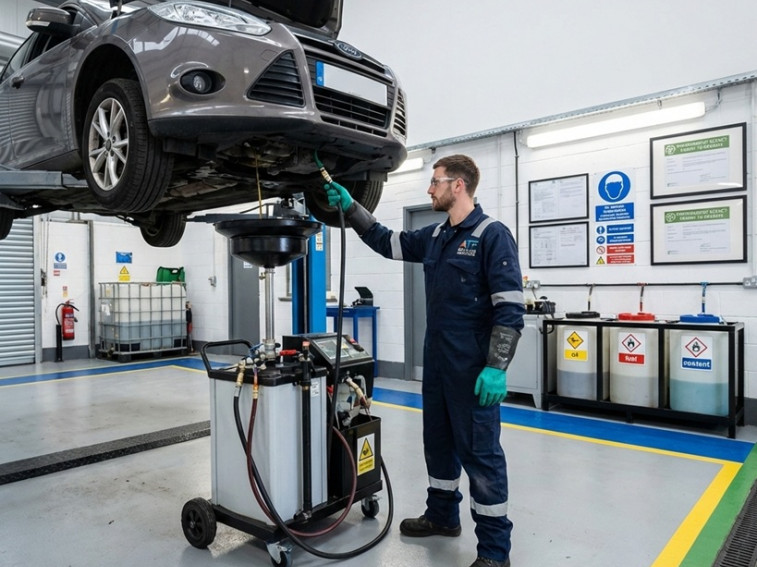
Before any dismantling or crushing can occur, the vehicle must be thoroughly depolluted. This stage involves the safe removal and capture of all hazardous liquids and components.
These include oils, fuels, coolants, battery acids, and potentially explosive airbag systems. This delicate and regulated procedure is a legal requirement that only licensed ATFs can carry out correctly.
The ATF ensures these recovered fluids are sent for specialist recycling or incineration, preventing them from contaminating soil or water systems. This careful handling involves complex chemical and mechanical processes, which is what makes the ATF licence so vital.
Depollution process breakdown:
Fluid removal (1-2 hours): Engine oil drained and filtered for recycling. Transmission fluid extracted for reprocessing. Brake fluid collected for hazardous waste disposal. Coolant recovered and tested for reuse potential. Fuel system emptied and neutralised.
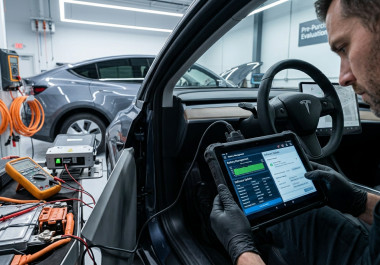
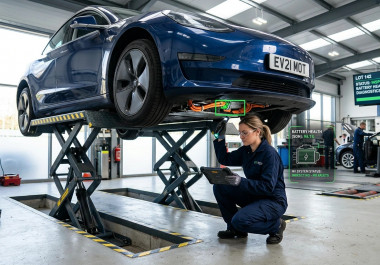
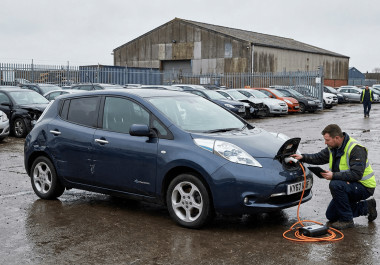
Component hazard management: Battery disconnected, tested, and sent for specialist recycling. Lead-acid batteries processed to recover lead and plastic casings. Lithium batteries from hybrids sent to specialist processors. Airbag systems deployed or carefully removed for controlled disposal. Mercury switches identified and extracted from older vehicles.
Refrigerant recovery: Air conditioning systems evacuated using certified equipment. Refrigerants captured and recycled according to environmental regulations. Older vehicles may contain CFCs requiring specialist handling.
Maximising Materials Recovery
Following depollution, the ATF systematically dismantles the vehicle to recover parts and materials. Components like tyres, glass, and plastic interior trim are separated for specific recycling streams.
Usable parts, such as engines, gearboxes, and body panels, are often removed and sold as used spares. This material recovery is key to a sustainable automotive industry, especially for parts sourced from vehicles won in auctions. Access commercial vehicle auctions for vans and larger vehicles which often yield higher parts values due to robust construction.
After all reusable parts and hazardous materials are removed, the remaining metal shell is crushed and sent to a shredding facility. Here, the metals (steel, aluminium, and copper) are separated and recycled back into raw materials for new manufacturing.
This comprehensive recycling process ensures that over 95% of a vehicle's material weight is recovered. Modern shredding facilities use magnetic separation, eddy current systems, and density sorting to achieve high purity material streams.
Material recovery rates by component:
Steel (60-70% of vehicle weight): Crushed shells provide high-quality scrap steel. Recycled into new vehicles, construction materials, appliances. Recovery rate exceeds 98% of available steel.
Aluminium (5-10% of vehicle weight): Engine blocks, wheels, body panels. Recycled with 95% energy savings versus primary production. High value justifies careful separation and processing.
Copper (1-2% of vehicle weight): Wiring, motors, radiators. Separated through shredding and density sorting. Premium scrap metal commanding highest per-kilogram prices.
Plastics (10-15% of vehicle weight): Dashboard, bumpers, interior trim. Separated by polymer type when possible. Some converted to fuel through pyrolysis processes. Increasing recovery rates as technology improves.
Glass (3-4% of vehicle weight): Windscreens, windows, headlights. Crushed and recycled into new glass products or construction aggregate. Laminated windscreen glass requires specialist processing to separate plastic interlayer.
Why ATFs Are Crucial for Sellers and Dealers
Working with a certified ATF is not just an environmental obligation. It's a smart business and compliance decision. For dealers and auction buyers who handle volume, partnering with facilities that understand the role of ATFs in vehicle recycling protects a business's reputation and legal standing.
This compliance is particularly vital when dealing with high volumes of salvage stock won at auction. Professional traders maintain long-term relationships with trusted ATFs, ensuring reliable processing and consistent documentation.
Ensuring Legal Compliance and Trust
By insisting on a CoD from an ATF, protection is gained from future legal issues related to the vehicle. The legal burden on the scrap process necessitates the use of a CoD to protect the buyer or dealer.
If a vehicle scrapped informally was later implicated in an incident, the previous owner could be held liable. The CoD provides a clear, official paper trail confirming the vehicle's legal end-of-life status.
This trustworthiness extends across the supply chain, bolstering the confidence of all parties involved in the disposal process. When expertise is utilised via a network that only deals with verified facilities, peace of mind is ensured.
Business protection benefits:
Professional reputation maintenance through proper disposal practices. Legal liability elimination for vehicles after CoD issuance. Tax efficiency through documented disposal expenses. Insurance compliance for fleet operators and dealerships.
Audit trail creation for regulatory inspections. Environmental credentials demonstration for corporate responsibility reporting. Customer trust building through transparent disposal practices.
Environmental Benefits and Sustainability
Choosing a properly licensed ATF directly contributes to better environmental outcomes. Their adherence to stringent depollution methods prevents widespread contamination from vehicle fluids.
Furthermore, their success in achieving high material recovery rates reduces the demand for newly mined raw materials, saving energy and lowering carbon emissions associated with production.
Supporting ATFs helps the UK automotive sector meet its long-term sustainability goals. As the industry transitions to electric vehicles, ATF expertise in battery recycling becomes increasingly critical for circular economy success.
Quantified environmental benefits:
Steel recycling via ATFs saves 75% energy versus primary production. Aluminium recycling reduces energy consumption by 95%. Copper recycling prevents mining operations requiring 100 tonnes of ore per tonne of copper produced.
Plastic recycling reduces landfill burden by 150,000 tonnes annually. Fluid recycling prevents contamination of 50 million litres of groundwater annually. Battery recycling recovers £20 million worth of lead annually. View motorcycle auction opportunities for two-wheeled vehicles where battery and metal recycling follows similar environmental principles.
How to Verify ATF Credentials
Not all scrap yards are licensed ATFs. Verification is essential before handing over any vehicle. The Environment Agency maintains a public register of licensed ATFs accessible online.
Check the facility's environmental permit status and confirm waste carrier licence validity. Verify the facility can issue Certificates of Destruction and has current DVLA notification systems in place.
Verification checklist:
Request the ATF's environmental permit number and verify through Environment Agency register. Confirm the facility's waste carrier licence is current and valid. Ask for examples of Certificates of Destruction they issue. Check online reviews and business registration details. Visit the facility if possible to assess operations and professionalism.
Legitimate ATFs welcome verification requests and provide documentation readily. Reluctance to share credentials indicates potential unlicensed operation.
Red Flags Indicating Unlicensed Operations
Offers of cash in hand with no paperwork signal illegal operations. Inability to provide Certificates of Destruction means DVLA notification is impossible. No visible environmental permits displayed on-site indicates lack of licensing.
Unclear explanations about DVLA notification processes suggest incomplete understanding of legal requirements. Pressure to complete transactions immediately prevents due diligence. Reluctance to provide company registration details hides potentially illegal operations.
These red flags should trigger immediate caution. Using unlicensed operators creates ongoing legal liability and potential fines. The short-term convenience never justifies long-term legal risk. Arrange verified scrap collection through verified facilities to ensure proper legal disposal and environmental compliance.
The Connection Between Auctions and ATFs
The vehicle disposal chain connects auction platforms with ATF networks seamlessly. Understanding this relationship helps optimise disposal decisions and potentially increase returns.
Vehicles unsuitable for auction due to extensive damage still have value through proper ATF processing. Conversely, vehicles initially destined for scrap may command auction premiums if repairable or valuable for parts.
Professional buyers evaluate each vehicle against both auction potential and scrap value, choosing the disposal route maximising returns. Browse salvage vehicle auctions to compare auction value against scrap value, enabling informed disposal decisions.
Making Informed ATF Choices
Selecting the right ATF ensures legal compliance, environmental responsibility, and potentially better financial returns. By verifying credentials, understanding the process, and comparing offers, vehicle owners can confidently navigate end-of-life disposal.
Understanding what is an Authorised Treatment Facility and the role of ATFs in vehicle recycling protects both legal interests and the environment. The Certificate of Destruction provides essential legal protection, whilst proper depollution prevents environmental harm.
Looking to compare disposal options before committing? Register to bid on salvage vehicles where damaged or high-mileage vehicles may command better prices than scrap values. Professional buyers often seek mechanically compromised vehicles for parts harvesting.
For vehicles where ATF disposal is appropriate, verify facility credentials through Environment Agency registers. RAW2K Vehicle Auctions provides guidance on disposal alternatives, helping owners maximise value whilst ensuring legal and environmental compliance.