If an older car has reached the end of its road life, understanding how to scrap a car legally in the UK is paramount. This guide provides the official process to ensure disposal of the end-of-life vehicle is correct and responsible.
This isn't just about getting rid of an old vehicle. It's about meeting legal obligations, avoiding fines, and making sure the process is environmentally sound. By following the precise steps required by the DVLA and using an approved facility, car owners can conclude their vehicle's journey with total peace of mind.
Why Following the Legal Steps is Essential
Many car owners simply want the easiest solution for their old vehicle, but overlooking the correct procedure can lead to significant hassle and potential fines. Legal responsibility for a car only ends when the DVLA officially confirms notification of its destruction.
Until that crucial final step, the owner remains liable for taxing, insuring, and any fixed penalty notices associated with the vehicle. The proper disposal process is a non-negotiable step for all UK motorists.
Understanding Your Legal Obligations
The UK government has stringent rules regarding the handling of end-of-life vehicles, ensuring that all vehicles are processed safely and responsibly. The owner must ensure the car goes to a facility authorised to handle its dismantling and recycling.
Failing to use an officially licensed location means legal notification to the DVLA that the car has been scrapped is impossible. The core of the legal requirement revolves around proper documentation and official notification.
Choosing an unauthorised collector may seem simpler initially, but it places the owner at risk of fines, and the vehicle could still be registered in their name. To protect from future liability, a specific legal document confirming destruction must be obtained.
The Environmental Mandate
A major reason for these strict regulations is the environmental impact of dismantling a vehicle. Cars contain hazardous materials, including fluids, battery acid, and airbags, which cannot simply be dumped. The law mandates that end-of-life vehicles must be depolluted before they are crushed.
Recycling vehicles is also a significant contributor to the circular economy. The average modern car is over 85% recyclable by weight, with steel, non-ferrous metals, and plastics being reused in new products.
By ensuring a vehicle goes to an approved recycling site, owners contribute directly to sustainable practices and reducing landfill waste. Proper recycling prevents environmental contamination whilst recovering valuable materials for remanufacturing.
Why Environmental Compliance Matters
Vehicle fluids including engine oil, transmission fluid, brake fluid, and coolant contain toxic substances that contaminate soil and groundwater if improperly disposed. Battery acid can cause severe environmental damage requiring costly remediation.
Airbag systems contain explosive compounds requiring specialist handling. Improper disposal creates safety hazards for waste management workers and potential explosive risks in landfills.
The metals in vehicles, particularly steel and aluminium, represent valuable resources. Recycling these materials reduces mining operations, lowers energy consumption in manufacturing, and decreases the carbon footprint of new vehicle production. Access commercial vehicle auctions to understand how larger vehicles with greater metal content achieve higher scrap values.
The Official Process: Choosing an ATF
The single most important decision in this process is choosing where the car is taken. Only sites that have been officially licensed by the environmental agencies can issue the necessary legal paperwork. Verification is needed that the facility used is an officially approved scrap yard.
What is an Authorised Treatment Facility?
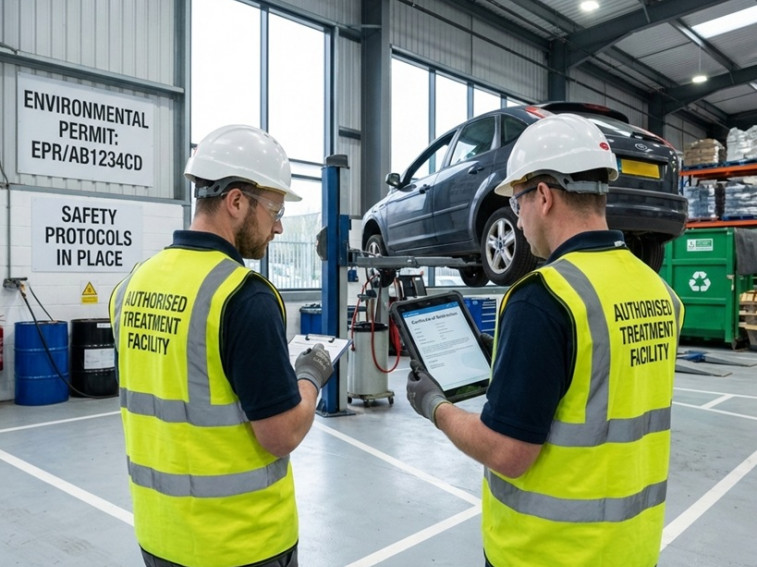
An Authorised Treatment Facility (ATF) is a licensed scrap yard or breaker's yard certified by the Environment Agency to handle end-of-life vehicles. An ATF is like a licensed medical facility for vehicles. These sites possess the specific tools, environmental permits, and expertise to depollute and dismantle cars safely.
Only an Authorised Treatment Facility can issue the legally required Certificate of Destruction (CoD), which is the document that frees the owner from all future responsibility for the vehicle. They are responsible for adhering to strict environmental standards, covering everything from oil removal to safe battery disposal.
A vehicle should never be handed over to a scrap metal dealer who is not an ATF, regardless of the price offered. Only an ATF can guarantee that hazardous waste is managed correctly and that recycling targets are met in accordance with the law.
Verifying ATF Credentials
The Environment Agency maintains a public register of licensed ATFs. Before arranging collection, owners should verify the facility's credentials through this register. Check the facility's environmental permit status and confirm their waste carrier licence validity.
Legitimate ATFs display their environmental permits prominently on-site and can provide their authorisation reference number upon request. They should be able to explain their depollution process and demonstrate their Certificate of Destruction issuance procedures.
Red flags indicating unlicensed operations include offers of cash in hand with no paperwork, inability to provide a Certificate of Destruction, no visible environmental permits displayed, and reluctance to provide company registration details.
Preparing a Vehicle for Scrappage
Whilst the ATF will handle the depollution process, there are a few steps the owner should take before the vehicle is collected. All personal belongings, documents, and valuables should be removed from the vehicle's interior and boot. This prevents loss and ensures a smoother handover process.
It is also important to locate all paperwork, specifically the V5C registration certificate or logbook. The ATF will require this to properly fill out the necessary section and notify the DVLA of the transaction.
The MOT certificate or insurance documents are not needed, but having the V5C ready is crucial for completing the legal steps to scrap your car. Without the V5C, the notification process becomes more complicated and may involve additional fees and delays.
Pre-Collection Checklist
Remove all personal items including:
-
Documents from glove compartment
-
Sat nav devices and phone mounts
-
Child seats and accessories
-
Tools and emergency equipment
-
Any aftermarket additions with resale value
Check all storage compartments thoroughly:
-
Under seats
-
Boot storage areas
-
Door pockets
-
Centre console
Locate the V5C registration certificate. If missing, apply for a replacement V5C (V62 form) from the DVLA before scrapping. The replacement costs £25 and takes approximately five working days to arrive.
The Administrative Requirement: Notifying the DVLA
The final and most critical phase of the process is ensuring the DVLA knows the car is off the road for good. Even if the ATF takes the car and issues a receipt, the car is still legally registered in the owner's name until the DVLA receives official notification.
This is the difference between a clean exit and a potential future fine. The legal steps to scrap your car require proper DVLA notification to complete the process.
Receiving a Certificate of Destruction
The Certificate of Destruction is the only legally accepted proof that a vehicle has been correctly scrapped as an end-of-life vehicle. This document must be issued by the ATF and confirms the time and date the vehicle was legally taken off the owner's hands.
Without a Certificate of Destruction, the legal steps to scrap your car have not been followed, and the owner remains accountable for the vehicle. The ATF will usually provide the CoD electronically, making the process fast and auditable.
This certificate should be kept indefinitely as proof of compliance. If the ATF cannot produce this certificate, that facility must not be used. The CoD contains:
-
Vehicle registration number
-
VIN number
-
Date and time of acceptance
-
ATF facility details
-
Unique certificate reference number
Completing the V5C Registration Certificate
To correctly notify the DVLA, the V5C registration certificate must be used. The process is straightforward, but accuracy is key. Section 4, "Notification of sale or transfer to a motor salvage operator," must be filled out, and the yellow section 9 must be given to the ATF.
The completed section 4 must then be returned to the DVLA. Alternatively, the ATF should be able to complete the DVLA notification online for the owner, providing a reference number immediately. This online method is often the quickest and most reliable way to confirm the transfer.
Written or electronic confirmation from the DVLA that liability has ended should always be ensured. Keep this confirmation with the Certificate of Destruction as permanent proof the vehicle was legally scrapped.
Maximising a Vehicle's Scrap Value
Whilst a car may be destined for the crusher, securing the best possible price for the metal and remaining components is still worthwhile. The market value of scrap metal fluctuates daily, but several factors related to the vehicle will influence the final scrap value.
Taking these into account can help negotiate a better deal. Understanding scrap metal market dynamics enables owners to time their disposal for maximum returns.
Factors that Influence Scrap Price
The most significant factor is the total weight of the vehicle. Heavier cars generally yield a higher return. However, certain components carry premium values due to the rare metals they contain.
For instance, the catalytic converter contains precious metals like platinum, rhodium, and palladium. This small component can dramatically increase the overall offer. Offers secured by owners often vary significantly depending on whether the catalytic converter is present and intact.
Always confirm that all valuable parts are included and check current market rates before accepting an offer. View motorcycle auction opportunities for two-wheeled vehicles which often have valuable catalytic converters and aluminium components. Typical component values:
-
Catalytic converter: £50-300 (diesel and hybrid typically higher)
-
Alloy wheels: £10-30 per wheel
-
Battery: £5-15
-
Complete engine: £50-200 (if reusable)
-
Copper wiring: £2-5 per kg
Vehicle weight directly impacts base scrap value. Larger SUVs and vans (1,500-2,000kg) command £250-400, whilst smaller city cars (800-1,000kg) achieve £150-250.
Understanding Scrap Metal Market Prices
Scrap metal prices vary based on global commodity markets. Steel prices fluctuate with construction and manufacturing demand. Aluminium values respond to aerospace and packaging industry needs. Copper prices reflect electrical and construction sector activity.
Monitor scrap metal price indices before accepting quotes. Prices can vary 20-30% between market highs and lows. ATFs base their offers on current commodity prices minus processing costs and profit margins.
Seasonal variations affect scrap prices. Construction industry activity increases spring and summer, raising steel demand and prices. Winter months often see reduced demand and lower prices.
The Role of Auctions as an Alternative
Before the decision is made to scrap a car legally in the UK, the owner should always evaluate if the vehicle is worth more as parts or a repairable salvage project. If the car is a popular model or has desirable components, selling it through auction often yields a better return than the scrap weight price.
Owners are encouraged to browse salvage vehicle auctions to compare the potential sales price against the ATF scrap quote. Exploring the opportunities available can provide a more profitable outcome for vehicles with residual value, particularly for newer or specialist models.
When Auctions Make More Financial Sense
Vehicles suitable for auction rather than scrapping include:
-
Popular models under 15 years old with repairable damage
-
Vehicles with intact, valuable mechanical components
-
Classic or collectible vehicles regardless of condition
-
Specialist vehicles with niche market appeal
-
Vehicles with desirable parts (engines, gearboxes, body panels)
Access complete auction inventory to compare potential auction values against scrap prices for different vehicle types. Even non-runners can attract project car buyers willing to pay £500-2,000, significantly exceeding scrap values of £200-400. Professional buyers often seek mechanically compromised vehicles for parts harvesting, offering better returns than scrap weight pricing.
Legal Penalties for Improper Disposal
Failing to scrap a vehicle legally carries serious consequences. Potential fines reach up to £1,000 for improper disposal. Owners remain liable for parking tickets and congestion charges issued to the vehicle after disposal if DVLA notification is incomplete.
Continued vehicle tax obligations persist until DVLA receives proper notification. Abandoning vehicles constitutes fly-tipping, carrying fines up to £50,000 and potential imprisonment.
Environmental offences for improper hazardous material disposal result in substantial penalties. Local authorities prosecute illegal disposal aggressively, with conviction rates exceeding 85% for documented cases.
Protecting Yourself from Liability
Never abandon a vehicle on public or private land. Do not sell to unlicensed scrap dealers regardless of price offered. Avoid cash for cars services without verified ATF credentials.
Never accept any offer without receiving a Certificate of Destruction. Unregistered dealers cannot provide legal documentation, leaving owners liable indefinitely. Vehicles may be illegally exported, used in crime, or improperly disposed, with all liability remaining with the registered keeper.
Special Considerations for Different Vehicle Types
Different vehicle categories have specific scrapping requirements. Understanding these prevents complications and ensures legal compliance.
Commercial vehicles follow the same basic ATF process, but heavier vehicles over 3.5 tonnes may require specialist ATFs with appropriate equipment. Commercial vehicle scrap values typically exceed standard cars due to greater weight and robust component construction.
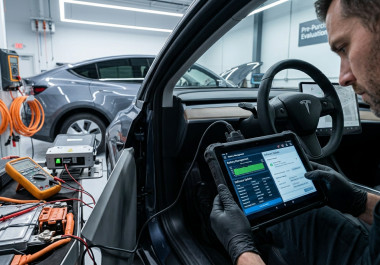
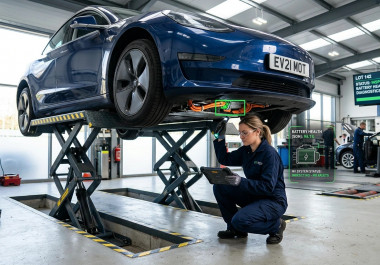
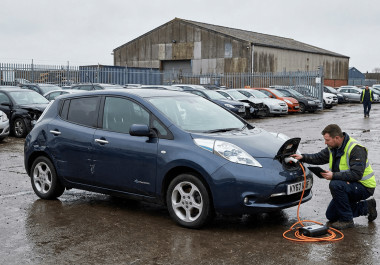
Electric and hybrid vehicles require specialist handling for high-voltage batteries. Not all ATFs possess EV processing certification. Verify ATF capabilities before arranging collection. Battery recycling occurs separately from vehicle depollution, with lithium-ion batteries containing valuable materials commanding premium scrap prices.
Classic or modified vehicles may be worth more through specialist sales channels. Consider auction alternatives before committing to scrap. Modified vehicles follow standard ATF processes, with non-standard components not affecting legal requirements. Consider removing valuable aftermarket parts before scrapping if economically viable.
Taking Final Steps with Confidence
By following these procedures, vehicle owners ensure safe, legal, and environmentally compliant disposal. From verifying ATF credentials to confirming final DVLA notification, due diligence protects interests entirely.
Understanding the legal steps to scrap your car prevents future liability and ensures environmental responsibility. The Certificate of Destruction provides legal proof of compliance, whilst proper ATF selection guarantees hazardous materials are handled correctly.
Ready to explore alternatives before scrapping? Register to bid on salvage vehicles where project car buyers may offer better returns than scrap weight prices. Professional buyers frequently seek mechanically compromised vehicles for parts harvesting or restoration projects.
For vehicles where scrapping is the right choice, arrange verified scrap collection to ensure legal compliance and proper environmental disposal. RAW2K Vehicle Auctions provides transparent guidance on disposal options, helping owners make informed decisions about vehicle end-of-life choices.