The allure of owning a motorhome or campervan offers unparalleled freedom for travel and recreation, but new models often come with steep price tags. For many buyers, from adventurous families to conversion specialists, campervans motorhomes UK salvage market presents a highly appealing alternative.
These vehicles, including those with Category N or S designations, are available through leading auction platforms and can offer significant value if buyers approach the purchase strategically. Understanding the unique challenges of buying salvage motorhomes and factoring in repair costs is essential for transforming a damaged vehicle into a dream leisure asset.
This expert guide provides key insights into assessing damage, budgeting accurately, and securing these large assets at auction.
Assessing Damage Beyond the Bodywork
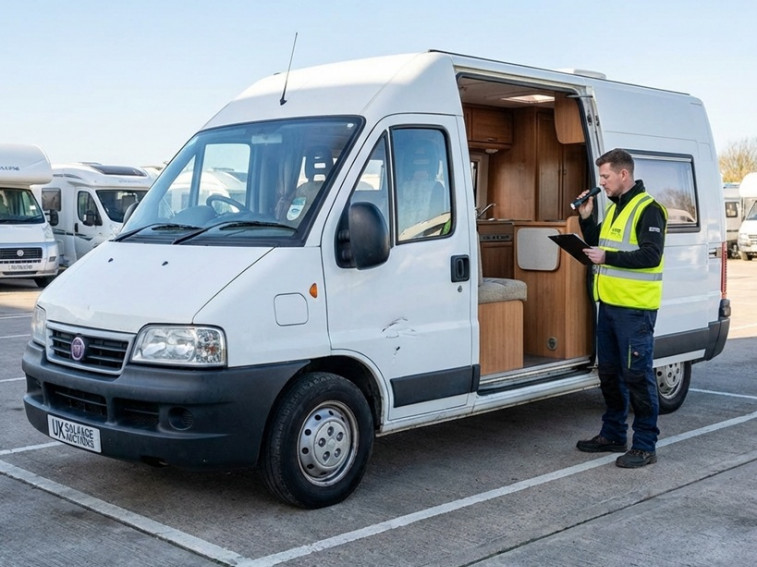
Unlike standard cars or small commercial vehicles, the value of a motorhome extends far beyond its mechanical components. When purchasing a salvage leisure vehicle, buyers are acquiring a house on wheels, meaning the damage assessment must be dual-focused.
A minor external knock can conceal major, costly damage to essential habitation systems in campervans motorhomes UK salvage market. Professional assessment becomes critical when evaluating these complex assets.
Condition Versus Complexity
Motorhomes and campervans contain complex domestic systems that are particularly vulnerable in a collision or if water ingress occurs. Buyers must scrutinise the condition of the kitchen, bathroom, and heating apparatus as intensely as the engine.
Damage to the vehicle's electrical hook-up, gas lines, or fresh water tanks can lead to significant and specialised repair bills. It's important to remember that these systems require certification before they can be safely used.
Key habitation systems requiring inspection:
Electrical systems: 240V hook-up systems, 12V leisure battery banks, solar panel arrays, and inverters represent £2,000-4,000 in replacement costs. Water damage to control units can require complete rewiring at £3,000-5,000 for professional installation.
Gas installation: LPG systems including regulators, pipework, and appliance connections must meet current safety standards. Complete gas system replacement costs £1,500-3,000 including certification. Non-compliant systems cannot be used legally.
Water systems: Fresh water tanks (£200-400), grey water tanks (£150-300), pumps (£80-150), and pipework create complex networks vulnerable to frost damage. Ruptured tanks often indicate the vehicle has been stored improperly, suggesting wider maintenance neglect.
Heating systems: Diesel or gas heaters (Webasto, Eberspacher, Truma) cost £1,200-2,500 to replace. These units are particularly vulnerable to water ingress and corrosion, requiring specialist diagnosis to confirm functionality.
The Critical Difference of Habitation Damage
The structural integrity of a leisure vehicle involves more than just the chassis. It includes the sealed unit body, which is crucial for preventing water damage. Even minor impacts can break this seal, leading to long-term damp issues that are expensive and difficult to rectify completely.
When buying salvage motorhomes, buyers should look for evidence of internal water staining, mould, or soft spots on the walls or floor, as these issues indicate serious habitation damage. Professional dealers often consider the cost of replacing wall panels or major interior fittings when calculating their maximum bid.
Water damage progression in motorhomes:
Stage 1 (0-6 months): Surface condensation, minor staining, musty smell. Repair costs £500-1,500 for dehumidification and surface treatment.
Stage 2 (6-18 months): Visible mould growth, wallpaper peeling, soft spots developing. Repair costs £2,000-5,000 for panel replacement and mould remediation.
Stage 3 (18+ months): Structural timber rot, floor delamination, chassis corrosion from trapped moisture. Repair costs £8,000-15,000 for major reconstruction or economic write-off.
Visual inspection through listing photographs must focus on telltale signs: discoloured ceiling panels near roof vents, warped furniture doors indicating moisture exposure, and rust staining on external bodywork seams.
Understanding Motorhome-Specific Damage Categories
Category N motorhomes often suffer damage that wouldn't write off a standard vehicle. Common scenarios include:
Awning and roof damage: Torn awnings, damaged wind-out mechanisms, or cracked roof skylights can trigger write-offs due to expensive replacement costs. A new Fiamma awning costs £800-1,500, whilst roof skylight replacement involves £400-800 in parts plus labour for resealing.
Appliance failures: Multiple appliance failures (fridge, cooker, heating) can exceed repair thresholds for older motorhomes. A replacement Dometic fridge costs £600-1,200, Thetford cookers £400-800, leading insurers to total loss rather than repair.
Cosmetic panel damage: GRP (fibreglass) body panels are expensive to repair professionally. Minor scrapes involving multiple panels can cost £3,000-5,000 to restore, triggering Cat N classification on vehicles valued under £15,000.
Navigating the UK Salvage Market for Campervans
Sourcing a repairable motorhome requires patience and detailed searching, as these vehicles appear less frequently than standard passenger cars. Due diligence is essential before placing a bid on any large, complex vehicle.
Focus remote inspection on the most critical and expensive elements to repair or replace. A systematic approach helps buyers accurately quantify risk exposure in campervans motorhomes UK salvage market.
Sourcing and Listing Details
Access to a diverse range of assets includes these specialist leisure vehicles, sourced from insurance companies and fleet clear-outs. Buyers should filter searches specifically for motorhome or campervan under large vehicle listings.
Since regional locations play a huge role in collection costs, many dealers focus on stock closer to their base. The listing description and photographs are the primary source of intelligence when accessing the inventory.
Optimal search strategies:
Model-specific targeting: Popular conversion bases (Fiat Ducato, Peugeot Boxer, Mercedes Sprinter) appear more frequently in salvage. These common platforms offer better parts availability and lower repair costs than rare manufacturers.
Age considerations: Pre-2010 motorhomes often appear in salvage due to habitation deterioration rather than accident damage. These vehicles may have sound mechanical bases but require interior renovation, offering opportunities for conversion specialists.
Layout types: Fixed bed layouts command premium prices in retail market, making salvage examples attractive. Panel van conversions typically sell for less in salvage but offer blank canvas opportunities for custom builds.
Browse commercial vehicle auctions to identify current motorhome and campervan opportunities across all sizes and configurations.
Key Checks for Buying Salvage Motorhomes
A systematic approach helps buyers accurately quantify risk exposure when assessing complex, large vehicles. Focus remote inspection on the most critical and expensive elements:
Chassis and Suspension: Examine photographs for signs of twisting, uneven stance, or major damage to axles, which points toward expensive Category S structural repairs. Motorhome chassis carry significantly more weight than standard vans, making suspension component wear more severe. Look for sagging springs, leaking dampers, or corroded subframes.
Roof and Vents: Check closely for damage to skylights, air conditioning units, or the roof itself, as this is the primary entry point for water ingress. Roof-mounted solar panels add complexity. Missing or damaged panels may indicate water has already penetrated the structure.
Appliance Functionality: Whilst buyers cannot test them remotely, checking the brand and model of appliances (fridge, oven, heating unit) to research replacement costs if they appear damaged or non-functional is essential. Note whether appliances are visible in photographs or if internal shots are limited, potentially hiding issues.
Tyre Age and Condition: Motorhomes can sit unused for long periods, leading to perishing tyres, which will need replacing before transport or use. Six motorhome tyres cost £600-1,200 depending on size and specification. Check tyre sidewalls in photographs for cracking or age-related deterioration.
Mileage and Service History: Lower mileage doesn't always indicate better condition for motorhomes. A well-used vehicle driven regularly often suffers less habitation deterioration than one sitting unused for months. Documented service history can validate engine and gearbox health, particularly important for heavy laden vehicles.
Compliance and Certification Requirements
Motorhomes require specific certifications that standard vehicles do not. Understanding these requirements prevents purchasing vehicles that cannot be legally returned to road use:
Gas safety certification: All LPG installations must have current gas safety certificates. Post-repair, buyers must arrange for Gas Safe registered engineers to inspect and certify systems before use. Certification costs £150-250.
Electrical installation: 240V systems should comply with BS7671 wiring regulations. Professional electrical inspection and certification costs £200-350.
Habitation service: Annual habitation services check all living systems for safety and functionality. Expect £250-400 for comprehensive service including damp meter readings, gas pressure testing, and appliance functionality checks.
Smart Strategy and Budgeting for High-Value Lots
Motorhomes represent a higher initial investment than most other salvage lots, making disciplined financial planning crucial for every bidder when buying salvage motorhomes. Buyers need to set a maximum acceptable price accounting for all fees and inevitable specialist repair expenditure.
Successful buying relies on comprehensive research, not impulse. The complexity of leisure vehicles means hidden costs can quickly erode profit margins or transform affordable projects into expensive mistakes.
Calculating Total Project Cost
Budgets need to be build-back calculations, starting from potential retail value and working backward, subtracting profit margin, auction fees, and the cost of repair parts and labour.
Budgeting for a salvage motorhome is like renovating an old property. Buyers must assume worst-case scenarios for hidden expenses, such as replacing whole bathroom or kitchen units, and still have a final figure that offers viable return on investment.
Failure to account for unexpected damp repair or system recertification can quickly erode any potential profit.
Comprehensive cost calculation example:
Target vehicle: 2016 Fiat Ducato-based 6-berth motorhome, Category N, side panel damage Repaired retail value: £32,000
Repair costs breakdown:
-
Side panel replacement and paint: £2,800
-
Awning replacement: £1,200
-
Internal cupboard repair (water damage): £800
-
Tyre replacement (6 tyres): £900
-
Gas safety certification: £200
-
Electrical inspection: £250
-
Habitation service: £300
-
Labour (panel fitting, sealing): £1,500
-
Total repairs: £7,950
Additional costs:
-
Buyer's premium (10% + VAT): Calculate on hammer
-
Collection/specialist transport: £400
-
Storage during repairs: £600
-
MOT: £54.85
-
Total additional: £1,054.85
Calculation: £32,000 (retail value) - £7,950 (repairs) - £1,054.85 (costs) - £5,000 (profit target) = £17,995
Maximum hammer price: £16,360 (allowing for 10% buyer's premium = total £17,996)
This disciplined calculation accounts for motorhome-specific complexity whilst maintaining profitability for dealers or achieving cost savings for private buyers.
Competitive Bidding Tactics
When bidding on high-value, desirable lots, competition can be fierce, particularly between professional converters and private restorers. New buyers might feel the pace is intimidating, especially during the crucial final minutes of live bidding.
Using a calculated maximum proxy bid is the smartest tactic, allowing the system to bid on behalf of buyers without revealing true budgets to competitors.
Imagine Sarah, a specialist restorer, who identified a desirable older model campervan that was listed as Category N due to a side panel scrape. She knew the cosmetic repair was manageable, but she set her maximum bid conservatively based on the interior's pristine condition. When the auction neared its close, her proxy bid successfully won the lot just £50 above the nearest competitor, securing the perfect winter project without overspending in the final rush.
Strategic bidding for motorhomes:
Research comparable sales: Monitor completed auctions for similar make/model/year combinations to establish realistic market values. This data prevents emotional overbidding based on retail pricing rather than salvage realities.
Account for scarcity premium: Rare layouts or sought-after conversion brands (Auto-Trail, Elddis, Bailey) attract premium bids. Factor 10-15% scarcity premium into calculations for desirable specifications.
Time your entry: Early bidding reveals your interest to competitors. Consider entering bidding in final minutes when calculated maximum is clear and competitors have shown their limits.
Logistics, Documentation, and Collection
Due to their size and weight, the logistics for motorhomes and campervans are more complicated than for standard cars. Buyers must secure transport and storage immediately after the auction to avoid collection penalties.
These vehicles usually cannot simply be driven away, especially if they are non-runners or legally restricted salvage vehicles. Professional planning prevents additional costs and complications.
Transporting a Non-Runner or Large Asset
Buyers must pre-arrange specialist recovery for non-running vehicles or for those with major structural issues. Transport providers should have the capacity and insurance to handle large, high-profile vehicles like motorhomes.
Exact collection windows are specified, and adhering to these times is mandatory to maintain site efficiency and security. Motorhome transport typically costs £3-5 per mile for professional recovery services with appropriate insurance cover.
Transport considerations specific to motorhomes:
Height restrictions: Many motorhomes exceed 3 metres height, requiring specialist recovery vehicles with appropriate clearance. Standard car transporters cannot accommodate these dimensions.
Weight capacity: Loaded motorhomes can weigh 3,500-7,500kg, requiring recovery vehicles with substantial towing or carrying capacity. Verify transport provider specifications before booking.
Access requirements: Some auction sites have restricted access for large vehicles. Confirm collection arrangements in advance, particularly for vehicles requiring crane loading or specialist equipment.
Paperwork Requirements
Whilst most motorhomes sold as used stock come with standard V5 documentation, those listed as salvage will require a new MOT upon repair completion, even if they have been repaired to a high standard.
Buyers should always check the listing for any non-standard documentation requirements, particularly if the vehicle has been imported or is a less common model. Completing the necessary paperwork correctly is the final step for smooth and legal transfer of ownership.
Motorhome-specific documentation:
Weight classification: Motorhomes over 3,500kg require different licensing (C1 entitlement for post-1997 license holders). Verify weight plate details match V5 documentation to avoid licensing complications.
CoC (Certificate of Conformity): European motorhomes should have CoC documentation confirming build standards compliance. Missing certificates can complicate registration, particularly for imported vehicles.
Habitation records: Previous service history for habitation systems provides valuable insight into maintenance standards. Well-maintained vehicles will have annual service stamps from recognised motorhome centres.
Maximising Value Through Strategic Renovation
For buyers planning comprehensive renovations, understanding which improvements add most value helps prioritise investment. Not all upgrades deliver proportional returns.
High-return improvements:
Habitation refresh: New upholstery (£1,500-3,000), updated kitchen worktops (£400-800), and modern bathroom fittings (£600-1,200) transform interior appeal for relatively modest investment. These cosmetic upgrades can add £5,000-8,000 to retail values.
Solar and electrical upgrades: Installing solar panels (£800-1,500) and lithium leisure batteries (£1,200-2,000) attracts buyers seeking off-grid capability. These technical upgrades appeal to growing wild camping demographic.
Exterior restoration: Professional paint correction and detailing (£800-1,500) plus graphics renewal or removal (£400-1,000) dramatically improve presentation for modest costs relative to value enhancement.
Low-return improvements:
Engine modifications: Performance upgrades rarely recover costs in retail market. Standard reliability matters more than enhanced power for most buyers.
Luxury fixtures: High-end appliance upgrades (Alde heating, Thetford cassette toilets) appeal to specific buyers but don't proportionally increase values across wider market.
For vehicles beyond economic repair due to structural issues, arrange verified scrap collection to provide proper disposal whilst potentially recovering value from salvageable habitation components.
Understanding Seasonal Market Dynamics
Motorhome salvage values fluctuate seasonally, creating strategic buying opportunities:
Winter months (November-February): Lowest demand period sees reduced competition and better value. Professional buyers stock up during winter for spring season sales.
Spring (March-May): Demand increases sharply as buyers prepare for summer holidays. Competition intensifies, pushing salvage prices higher.
Summer (June-August): Peak season sees highest retail prices but also highest salvage competition. Best avoided for value-focused buyers unless specific requirements demand immediate purchase.
Autumn (September-October): Moderate demand creates balanced market. Sellers clearing stock before winter can accept lower prices, whilst buyers still have time for winter renovation projects.
Strategic buyers target winter acquisitions, complete renovations during off-peak months, and sell during spring demand surge, maximising profit margins through timing discipline.
Taking Your Next Step in Leisure Vehicle Acquisition
Vehicle auctions offer excellent opportunities to acquire motorhomes and campervans at attractive prices, providing they are approached with knowledge and due diligence. By understanding the complexity of these leisure assets in campervans motorhomes UK salvage market and applying a disciplined bidding strategy when buying salvage motorhomes, buyers can confidently participate.
Successful acquisition requires systematic assessment of habitation systems, realistic repair budgeting, and clear understanding of certification requirements. The complexity demands thorough preparation, but rewards justify the investment for properly informed buyers.
Looking for motorhomes with documented habitation service histories? Register to bid on motorhomes where gas, electrical, and water system details are provided in listings, enabling accurate pre-bid assessment. Professional buyers prioritise verified habitation compliance when sourcing salvage motorhomes.
RAW2K Vehicle Auctions offers transparent access to motorhome and campervan salvage opportunities across the UK. Access complete auction inventory to compare leisure vehicle options against other salvage stock. New decommissioned motorhomes are added regularly across all size categories and configurations.