Scrolling through online auctions often reveals tidy-looking hatchbacks with low kilometrage and a price tag that commands attention. When the listing states "light damage," it often triggers excitement about a potential bargain. However, understanding this terminology is essential for any participant in a light damage car auction, as the description covers a broad range of potential issues.
The term "light damage" is among the most frequently misunderstood phrases in the salvage world. While it sounds reassuring, trade buyers can face challenges if they assume "light" implies the vehicle is barely touched. Conversely, savvy bidders often secure excellent value because they understand what the term actually covers. At RAW2K, thousands of vehicles appear with varying levels of impact, making it vital to recognise that this is a descriptive term rather than a legal category.
The Industry Definition versus Reality
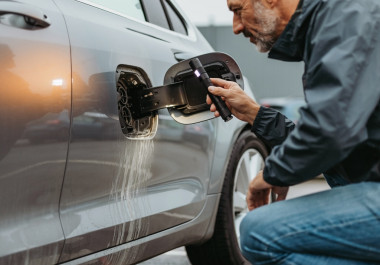
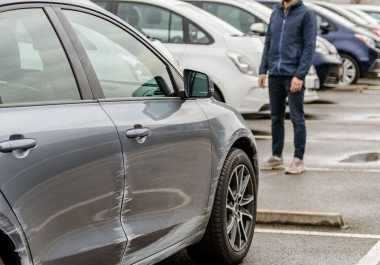
In the automotive auction sector, light damage typically refers to cosmetic or minor structural issues that do not compromise core safety systems. This often includes cosmetic bodywork such as scratched bumpers or scuffed alloys. It is effectively the automotive equivalent of a scraped knee rather than a broken bone. Insurance assessors typically apply this term when repair costs are relatively low compared to the vehicle's pre-accident value, suggesting the car can be economically restored.
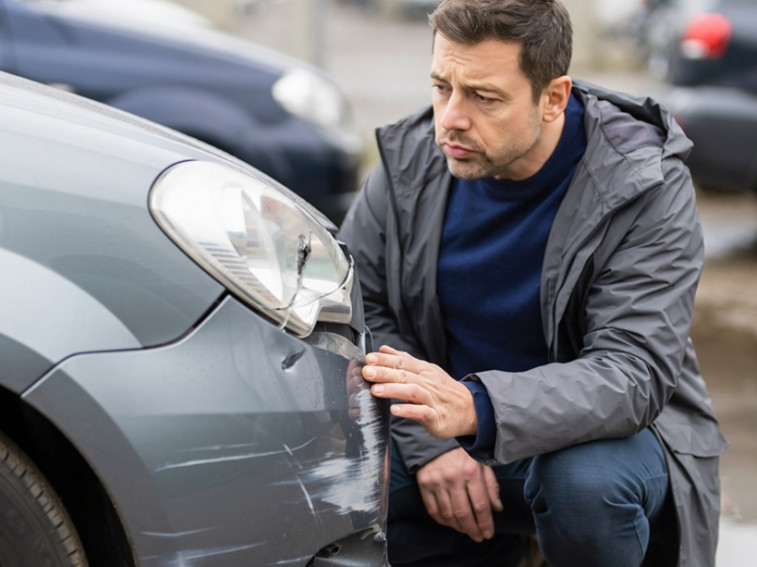
However, the definition can be subjective. What one assessor considers minor, another might view differently. A front-end scrape on a budget hatchback might involve only a grille and headlight. On a premium vehicle, the same impact could involve expensive sensors and adaptive lighting systems. For example, a Volkswagen Golf listed with "light damage" that appeared to have only a crumpled bonnet and broken headlight may have also suffered front panel misalignment. Such issues require professional jig work to rectify, proving that even "light" impacts require careful assessment before assuming a quick repair.
What Light Damage Usually Includes
When browsing a light damage car auction, listings typically involve one or more of the following issues:
-
Cosmetic bodywork: Surface-level scratches, small dents, and scuffed paint that do not affect the vehicle's structure.
-
Bumper damage: Cracked or dented plastic bumpers, which are common in low-speed impacts.
-
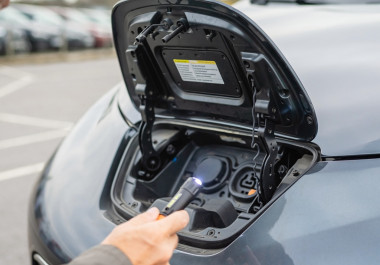
Lighting damage: Broken tail lights or indicators, though LED units are notably more expensive to replace.
-
Trim and mouldings: Damaged door handles or mirror covers that are usually bolted or clipped on.
-
Alloy wheel damage: Kerbed or scuffed wheels that can often be refurbished.
These issues are generally considered superficial. The RAW2K website ensures that such details are highlighted through clear photography, allowing buyers to browse the UK salvage inventory with a clearer understanding of the vehicle's state.
Identifying What Light Damage Excludes
It is equally important to understand what this term should not include. Light damage should never involve structural chassis damage, as bent subframes or cracked chassis rails fall into the Category S classification. Airbag deployment is another factor that moves a vehicle out of the "light" category, as the replacement costs for safety systems are substantial.
Furthermore, mechanical failures involving the engine or gearbox are considered mechanical faults and should be listed separately. Flood or fire exposure should also be distinguished from impact damage. If a listing mentions these issues alongside a "light" description, buyers should examine the salvage auction guide and listing notes more closely to ensure the description matches the technical reality of the car.
How to Assess Listings Before Bidding
Bidding on a vehicle with minor issues is not a gamble if the proper research is performed. Buyers should start by reading the full listing and looking for phrases like "superficial only." Studying our selection of salvage vehicles requires a close look at panel gaps and alignment in the photos. Mismatched paint or signs of previous filler can indicate that the damage is more than skin-deep.
Checking the V5C status is also a mandatory step. If a vehicle carries a marker for Category N vehicles, it has been written off for non-structural reasons, which aligns with the light damage description. However, this also indicates that the insurer found the repair costs exceeded their specific threshold. For those who need more certainty, many auction sites allow for third-party inspections by appointment. Coordinating a report from a qualified mechanic is a practical way to verify a description before committing to a bid on the current auction listings.
The Financial Reality of Repair Costs
Underestimating a repair cost estimate is a common mistake. Modern vehicles are complex, and even small jobs add up quickly. A cracked bumper on a decade-old compact car might be inexpensive to replace. However, a similar part on a newer executive model with integrated parking sensors and cameras can cost hundreds of pounds before labour and paint are even considered.
Typical costs for light repairs often range from £200 for basic bumper work to over £800 for high-end LED headlights. If a garage is performing the work, these estimates should be increased by 30-50%. Those who can source their own parts and perform the labour themselves will find the best value in these units.
Determining When Light Damage Represents a Bargain
Minor cosmetic issues often provide the best value in the auction market. Insurers frequently write off these vehicles because the official repair costs do not make financial sense for them, creating an opportunity for the buyer. For personal use, a vehicle with a scuffed rear bumper or a cracked tail light can be restored for a fraction of the price of an undamaged model.
Trade buyers often target these units because the profit margins are predictable. If the repair cost estimate is calculated accurately, the risk remains low. Furthermore, those seeking online scrap estimates for older vehicles might find that upgrading to a light-damage salvage unit provides a better long-term investment than repairing a vehicle with major mechanical failure.
Indicators of When to Avoid a Listing
There are situations where a "light" description serves as a warning sign. Vague listings that do not specify the nature of the damage should be treated with caution. Similarly, multiple impact points across different sides of the vehicle suggest a harder hit than the term implies. If a vehicle is described as having light damage but is marked as Cat S, the description is contradictory and should be questioned. Trusting the collective activity on the auction floor is also wise; if a seemingly perfect lot is not attracting bids, there may be an underlying issue.
Insurance Considerations for Repaired Vehicles
Insurers will generally cover a vehicle with a history of minor repairs. If there is no formal salvage category marker, the vehicle is typically treated like any other car. However, if it is listed among Category N vehicles, you must declare this when seeking a quote. Most mainstream insurers will provide cover, though a small premium increase of 5-10% is common. Consulting a salvage auction guide can help buyers understand which insurers specialise in this type of stock.
Conclusion: Making Informed Bidding Decisions
The term "light damage" is a starting point for research rather than a guarantee of a simple fix. While some vehicles are absolute bargains, others require a more significant investment than they initially appear to. By studying photos, obtaining a repair cost estimate, and understanding the nuances of Category N vehicles, buyers can make informed decisions.
Newcomers to the market should consult the buying procedures to understand the nuances of vehicle write-off categories. If you have questions about the specifics of a listing, please enquire with support for further context or guidance. We aim to provide the transparency you need to bid with confidence. When you are ready to find your next project, sign up to bid and explore our current inventory today.