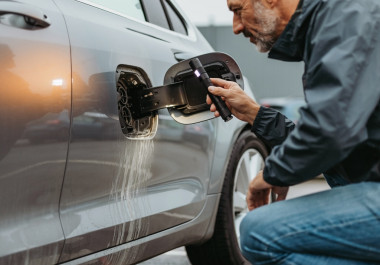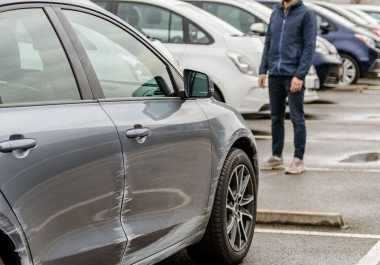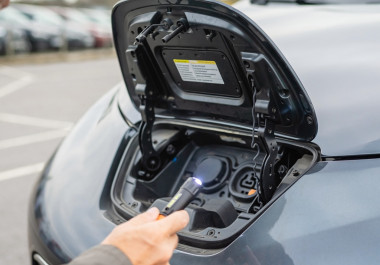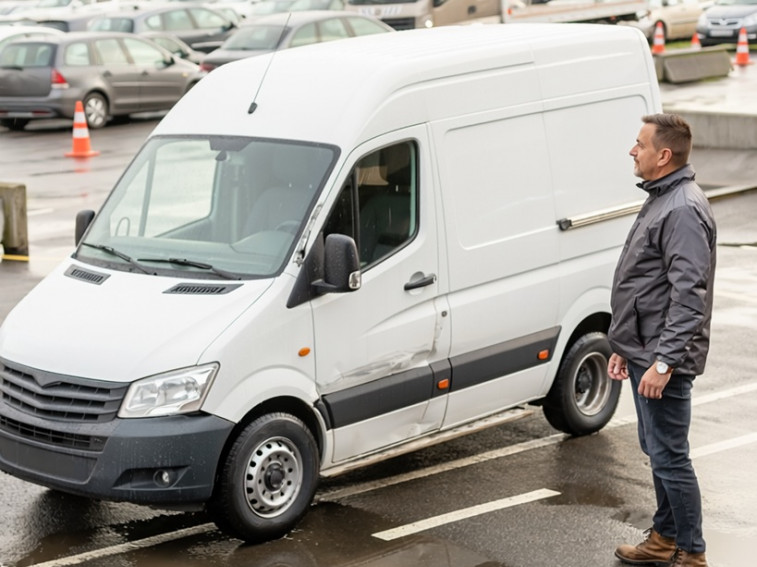
Finding a bargain van online often leads to a listing stating "runs and drives." While it appears simple, this two-word phrase is frequently at the centre of disputes at auction. I've seen more arguments over this two-word phrase than almost anything else at auction. A buyer once collected a "runs and drives" Transit that technically moved under its own power for about 200 metres before the gearbox failed completely. While the engine technically ran, the vehicle certainly could not be driven home. This highlights why a runs and drives salvage car requires closer scrutiny than the initial description suggests.
The phrase exists in a grey area that catches out both novices and seasoned buyers. It is not a guarantee of roadworthiness, mechanical longevity, or reliability. Instead, it is a snapshot of the vehicle's condition at a specific moment in time. Understanding what it signifies is essential for avoiding unexpected recovery costs and expensive repairs.
What Runs and Drives Actually Confirms
When a listing confirms a vehicle "runs and drives," it validates two basic mechanical facts: the engine starts without significant intervention, and the vehicle can move forward and backward under its own power. These are the only promises made. It does not imply the vehicle has passed a recent MOT or that it is legally fit for public roads.
Consider it similar to a property listing stating it has "running water"; the taps may function, but that says nothing about the state of the boiler or the pipes. Typically, this statement follows a brief visual inspection or a short movement test within a yard. In most cases, this is the limit of the verification.
Mechanical Aspects Missed in Basic Assessments
A standard "runs and drives" check rarely reveals deeper issues. A clutch may be slipping but still functional, or brakes could be dangerously worn yet still capable of stopping the vehicle eventually. Cooling systems might have slow leaks that only cause overheating after 20 minutes of sustained load.
A buyer might collect a salvage category car that performs perfectly around a compound, only to find the temperature gauge hitting the red five kilometres down the motorway. Electrical faults also rarely appear in a quick movement test. Indicators, wipers, and heating systems are not typically part of the salvage vehicle inspection performed for a basic listing. Warning lights on the dashboard might only become apparent after the vehicle has been paid for and collected.
Legal Realities and Roadworthiness
A vehicle that runs and drives is not automatically road-legal. For those dealing with Category S or Category N units, it is vital to verify whether the vehicle has been properly repaired and re-registered. Many auction vehicles have been off the road for months, meaning the MOT and tax will have expired. Running and driving status means nothing to the DVLA or an insurance company.
Assuming a vehicle can be driven home directly from the compound is a frequent mistake. This often results in buyers being stranded and forced to arrange unbudgeted recovery trucks. Checking the V5C status and performing a vehicle history check is mandatory before bidding. This level of transparency is available on the RAW2K platform, where a professional salvage auction site provides a detailed look at vehicles in various states of repair.
How Auction Houses Verify the Claim
Reputable platforms clarify how a "runs and drives" claim is verified. Some platforms provide a more detailed mechanical condition report or inspection process, while others rely on seller declarations. The damaged vehicle auctions process is most effective when buyers read the condition report thoroughly to understand the extent of the testing.
A professional salvage vehicle inspection might include a short test drive and basic diagnostics. In contrast, a seller declaration may only mean the previous owner stated the vehicle worked upon arrival. When browsing inventory, look for additional notes, such as photos of the engine running or mentions of specific tests.
Runs and Drives vs Drives Well
There is a significant difference between these two descriptions. "Runs and drives" is a minimum threshold indicating movement. "Drives well" suggests a more functional state where the vehicle has been taken on a proper test drive. A runs and drives salvage car could still have a failing clutch or suspension. When a listing mentions a "good runner," it is a stronger endorsement, though independent verification remains necessary.
Essential Checks Before Bidding
Never accept these claims at face value. Start with a comprehensive vehicle history check to confirm outstanding finance or previous write-off history. Many vehicles are sold at auction specifically because they have hidden histories that explain a low price.
Reviewing the MOT history via the DVLA is also essential. This reveals previous failure points and advisory notes that may still be relevant. If a previous MOT flagged issues with emissions or braking systems, the buyer knows what to expect. Carefully examine listing photos for dashboard warning lights or fluid leaks. When searching for write-off cars for sale UK or browsing commercial vehicle sales, visual clues often provide more information than the text description.
Regional Variations and Logistical Realities
The location of the vehicle affects the risk significantly. Recovery costs vary by region; moving a vehicle from Scotland to the south of England can cost hundreds of pounds. If a vehicle turns out to be a non-runner, these costs can increase unexpectedly.
Some compounds allow buyers to hear the engine running before collection, while others have strict "pay and collect" policies. Knowing these rules beforehand is vital for budgeting. If a vehicle scrap value seems too good to be true, consider the transport implications.
Handling Discrepancies and Disputes
Disputes occur when a vehicle described as running and driving fails to start upon collection. Most platforms have processes for handling misdescribed items. Documenting everything immediately with photos and videos is essential. Reputable auction houses generally work with buyers if there is a genuine discrepancy, such as a vehicle that clearly has not moved in months despite the listing claim. However, if a vehicle starts but drives poorly, it still technically meets the "runs and drives" criteria.
The Strategic Buyer's Approach
Treat the description as a starting point for research. Budget for a worst-case scenario where immediate repairs or recovery are necessary. Price maximum bids accordingly to ensure the deal remains profitable even if the vehicle is rougher than expected.
Consider the vehicle category carefully. A Category N car might have only cosmetic damage, while a Category S vehicle could have structural issues affecting handling. For those searching for specific lots, it is often helpful to get in touch with the support team if there are specific questions regarding a listing's history or current documentation.
Conclusion: A Data Point, Not a Promise
The phrase "runs and drives" means exactly what it says: the engine starts and the vehicle moves. It is a useful metric for separating bargains from parts cars, but it is not a warranty of roadworthiness. Approach every runs and drives salvage car with healthy scepticism. Verify the history through a vehicle history check, inspect the vehicle where possible, and budget for the unexpected. When you are ready to find your next project, create an account and browse our current inventory today.