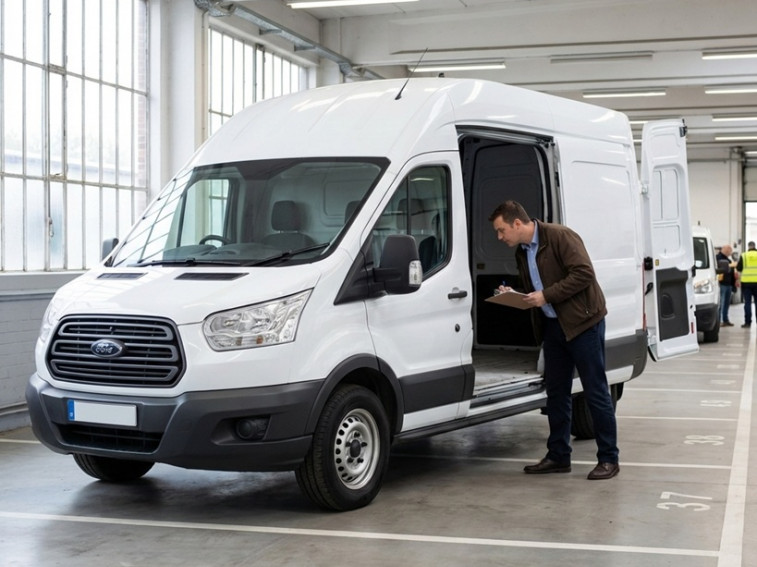
Commercial vehicles represent a significant portion of the stock available on platforms that manage vehicle auctions. They offer outstanding value for dealers, mechanics, and small businesses alike.
Vans are essential assets. Whether damaged or simply used, they retain strong residual demand in the marketplace. Learning which models frequently feature as popular vans in UK salvage auctions and understanding their common faults allows buyers to target specific opportunities with maximum confidence.
This in-depth guide reveals the most sought-after light commercial vehicles (LCVs) and explains the strategies for valuing them correctly.
Why Commercial Vehicles Dominate UK Auction Listings
Vans typically arrive at auction in high volumes due to specific fleet replacement cycles and insurance write-offs. Businesses regularly renew their fleets to maintain operational efficiency and meet compliance standards. This leads to consistent supplies of well-maintained used vehicles.
The demand for reliable workhorses means you consistently find best-selling vans at salvage auction. This steady influx ensures a competitive environment but also guarantees plenty of choice for buyers seeking specific sizes or functionalities. Explore vehicle auctions across the UK to view the current commercial vehicle selection.
The Resilience of the Light Commercial Vehicle (LCV) Market
LCVs are designed to endure high mileage and challenging working conditions. This makes them fundamentally robust even after sustaining damage.
Unlike standard passenger cars, the value of a van often lies more in its load-carrying capacity and engine durability than its cosmetic appearance. This resilience means that many salvage vans are repairable for a fraction of the cost of buying new.
Smart buyers targeting popular vans in UK salvage auctions know that light bodywork damage often results in significant auction discounts on otherwise sound vehicles. The key is identifying models where mechanical integrity remains strong despite cosmetic imperfections.
Sourcing Ex-Fleet and Lease Returns
A substantial portion of auction stock originates from large company fleets and vehicle leasing companies. These providers adhere to strict maintenance schedules. This means the vehicles often come with a documented service history, which is highly beneficial.
When these vans reach the end of their lease agreements, they're efficiently remarketed through auctions to recover capital. This process provides a transparent and reliable source of used stock for the trade. Fleet vehicles often include detailed maintenance logs showing every oil change, brake service, and major repair, giving buyers unprecedented insight into the vehicle's mechanical history.
Key Players: Identifying Popular Van Models in the UK
Understanding why certain popular van models in the UK frequently appear in large volumes is key to effective auction planning. Vans with good parts availability and widespread repair knowledge are always the most popular because they represent a lower risk investment.
Buyers should always prioritise models that offer an excellent balance of load capacity, running costs, and ease of repair. Knowing these core models helps buyers focus their pre-auction research.
High-Demand Small and Medium-Sized Vans
Small and medium vans are highly desirable for city-based operations and last-mile delivery services. This is due to their compact size and fuel efficiency.
Models such as the Ford Transit Connect and the Volkswagen Caddy are consistently found among best-selling vans at salvage auction. These vehicles offer robust performance and have strong resale markets once they're repaired or refurbished.
The Transit Connect, in particular, has become the backbone of urban delivery fleets across the UK. Its compact footprint allows easy navigation through congested city centres whilst still offering substantial cargo capacity. The Caddy similarly excels in versatility, popular among tradespeople who need a reliable daily driver that can handle tools and equipment.
Even if they're listed as damage-repaired, their widespread use ensures that parts are readily available across the country. Browse all commercial vehicles to explore the full range of vans currently available, from compact models to larger panel vans.
Larger Panel Vans and Conversion Potential
For heavy-duty use or camper conversions, larger panel vans like the Ford Transit and the Mercedes-Benz Sprinter are frequently listed as popular vans in UK salvage auctions. Their spacious cargo areas and powerful engines make them ideal for conversion projects or transporting significant loads.
These models hold their value well, making them an excellent investment for dealers who plan to repair and sell them on to specialist trades. The Ford Transit's modularity means damaged sections can often be replaced without affecting the core structural integrity. The Mercedes-Benz Sprinter, whilst more expensive to repair, commands premium prices in the conversion market due to its superior build quality and longevity.
When bidding on these larger vehicles, always verify the overall height and length to ensure they meet your operational requirements. Some high-roof variants exceed standard garage door heights, which can complicate storage and repairs.
Evaluating Salvage Vans: Maximising Value
When inspecting a van remotely, the focus must shift from passenger comfort to structural integrity, payload capability, and driveline health. Buying a salvage van requires a different approach than purchasing standard used stock.
You're assessing potential repair revenue against the severity of the damage reported in the auction listing. Compare the van's condition against similar vehicles by browsing all vehicle categories to gauge whether the asking price represents genuine value.
Key Inspection Points for Commercial Vehicles
A thorough remote inspection ensures you estimate the repair budget accurately, avoiding costly surprises. Prioritise these critical checks when reviewing the listing information and photos:
Load Area Condition: Look for signs of heavy abuse, deep dents, or structural damage to the rear load floor and side panels. Extensive damage here can compromise the van's carrying capacity and safety. Pay particular attention to the rear door hinges and locking mechanisms, as these are common failure points on high-mileage commercial vehicles.
Bulkhead Integrity: The condition of the internal steel bulkhead separating the cabin and load area is vital for driver safety and compliance. A damaged bulkhead often indicates severe frontal or side impact. Check for any signs of buckling or deformation in listing photos.
High Mileage Check: LCVs often have higher mileage, so scrutinise the service history and check for evidence of regular maintenance to gauge engine health. Look for oil change intervals that match manufacturer recommendations. A van showing 150,000 miles with comprehensive service history is often a safer bet than one with 80,000 miles and no documentation.
Tyre and Suspension Wear: Uneven tyre wear patterns can signal underlying alignment issues, potentially linked to structural damage. Check all four tyres in the photos for even wear across the tread. Suspension components on commercial vehicles take significant punishment, so look for any signs of sagging or uneven ride height.
Engine Bay Examination: Where photos are available, examine the engine bay for signs of fluid leaks, damaged hoses, or corroded wiring. Commercial vehicles often develop oil leaks from valve cover gaskets and oil pan seals due to constant use.
Assessing a salvage van is like hiring a contractor. You must scrutinise the foundations (chassis and engine) before worrying about the cosmetic finishes (paintwork or seats). If the foundations are solid, the project is viable; if not, walk away.
For vans beyond economic repair, arranging scrap collection ensures compliant disposal and potential parts recovery. Even heavily damaged vans can yield valuable engines, gearboxes, and interior components.
Understanding Repair Economics for Commercial Vehicles
Successful van purchases at auction depend entirely on accurate cost projections. Unlike passenger cars where cosmetic appearance drives value, commercial vehicles are judged primarily on functionality and reliability.
Calculating Your Maximum Bid
Before placing any bid, create a detailed breakdown of expected costs. Start with the hammer price, then add buyer's premium (typically 10-15% plus VAT), transport costs (which can be substantial for non-runners), and estimated repair costs.
For example, a Category N Transit Connect with minor rear-end damage might require £800 in parts (rear doors, bumper, lights) and £400 in labour. Add £150 for collection and £200 for the buyer's premium. If the repaired market value is £6,500, your absolute maximum bid should be £4,950 to maintain a healthy profit margin.
For commercial buyers operating on tight margins, exploring motorcycle and scooter auctions can provide alternative opportunities for diversifying inventory with smaller, faster-selling units.
Hidden Costs to Consider
Don't overlook post-repair expenses. A salvage van will need immediate MOT testing (budget £54.85), fresh tyres if current ones are worn (£400-600 for a full set on a large panel van), and a thorough valet to make it presentable (£100-150 for commercial deep clean).
Insurance costs for salvage vehicles can also be higher, particularly for Category S models. Factor this into your long-term ownership calculations if you plan to use the van for your own business rather than immediate resale.
Strategic Bidding for Business Stock
Successfully bidding on commercial stock requires clear logistics planning and a firm understanding of the market price for the repaired van. Unlike private buyers, dealers often seek multiple units. This means their strategy must account for bulk purchasing and efficient transport.
Knowing your resale or repair ceiling beforehand prevents overcommitting during the fast pace of live bidding for popular van models in the UK.
Using Regional Auctions to Save on Logistics
Transport costs can quickly erode profit margins, especially when moving large commercial vehicles across the country. Savvy buyers strategically monitor regional listings to source stock close to their repair facility or customer base.
By limiting the travel distance, you keep the overall investment low and the profit margin high. This geographical targeting is essential for maintaining profitability on commercial vehicle purchases. Professional dealers often establish collection routes that allow them to pick up multiple units in a single journey, further reducing per-vehicle transport expenses.
Consider a dealer in Birmingham who targets auctions within a 50-mile radius. By collecting three vans in one trip using a recovery truck, the per-vehicle transport cost drops from £200 to approximately £65, immediately adding £405 to the total profit margin across all three vehicles.
Finalising the Sale and Collection
Once your bid is successful, quick action is mandatory to secure the purchase. Secure payments must be made within the stated timeframe, typically 24-48 hours, to confirm your ownership.
For non-running vans, pre-booking a suitable recovery truck or flatbed transport is essential. The collection window is often strict. Make sure the recovery vehicle can accommodate the van's size and weight before heading to the auction site. Long-wheelbase, high-roof vans require specialised recovery equipment.
Ready to start sourcing commercial vehicle stock? Register to access auctions and begin exploring van listings with confidence. New commercial vehicles are added daily, providing fresh opportunities for both trade buyers and private individuals.
Vans are invaluable assets for every type of business. Securing them through auction provides an advantageous route to market. By applying these inspection and bidding strategies, you're well-equipped to find best-selling vans at salvage auction and secure profitable inventory for your operation.
RAW2K Vehicle Auctions provides a transparent platform designed for efficiency and speed.