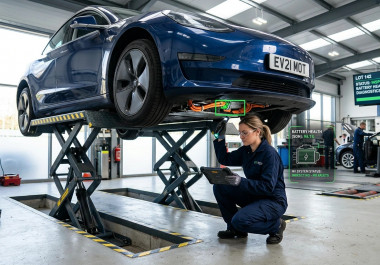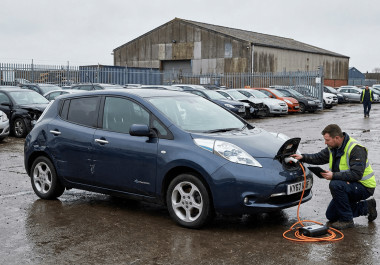
A salvaged Category S Ford Focus sits in a compound, its chassis bent but engine intact. The vehicle is worth £800 as scrap metal. Strip it systematically for parts, and that same car yields £3,200 in revenue. This 300% margin explains why parts harvesting has become the backbone of the UK salvage industry.
The mathematics works because demand for used parts outpaces supply in specific categories. A replacement bonnet from Ford costs £420. The same component from a salvaged vehicle sells for £180, and buyers accept minor cosmetic damage for that price difference. Multiply this across 200+ harvestable components per vehicle, and the economic model becomes clear for anyone serious about parts harvesting profit as a business operation.
Understanding salvage parts business economics requires analysing more than just revenue potential. Storage costs, labour hours, regulatory compliance, and market competition all influence whether systematic dismantling generates genuine returns or becomes an unprofitable venture.
What Makes a Vehicle Worth Harvesting
Not every salvaged car justifies the labour cost of systematic dismantling. Before deciding between crushing a vehicle for scrap value versus committing to parts harvesting, three key factors require assessment through vehicle auctions:
Vehicle age and model popularity: A 2018 Volkswagen Golf generates more part sales than a 2008 Rover 45. The Golf's market penetration means thousands of potential buyers need replacement components. Parts from discontinued models sit in inventory, tying up capital unnecessarily. This distinction between viable and non-viable parts harvesting candidates directly impacts profitability.
Damage type and location: Front-end collision damage often leaves the rear suspension, transmission, and interior components intact. Fire damage typically destroys wiring looms and electronics but may spare mechanical parts. Category S vehicles (structural damage, repairable) offer better harvesting economics than Category B (break for parts only, body shell must be crushed).
Current market demand: Tracking which components move fastest through vehicle recovery networks proves essential. During 2023, diesel particulate filters saw 340% price increases due to theft epidemics. A salvaged DPF that cost £40 to extract sold for £280. These market shifts determine which vehicles receive priority for parts harvesting and which go directly to the crusher.
The break-even calculation is straightforward: if expected parts revenue exceeds scrap metal value by less than £600, the vehicle goes straight to the crusher. That £600 covers approximately 8 hours of technician time at £45 per hour, plus storage, photography, and listing costs.
The Dismantling Process and Labour Economics
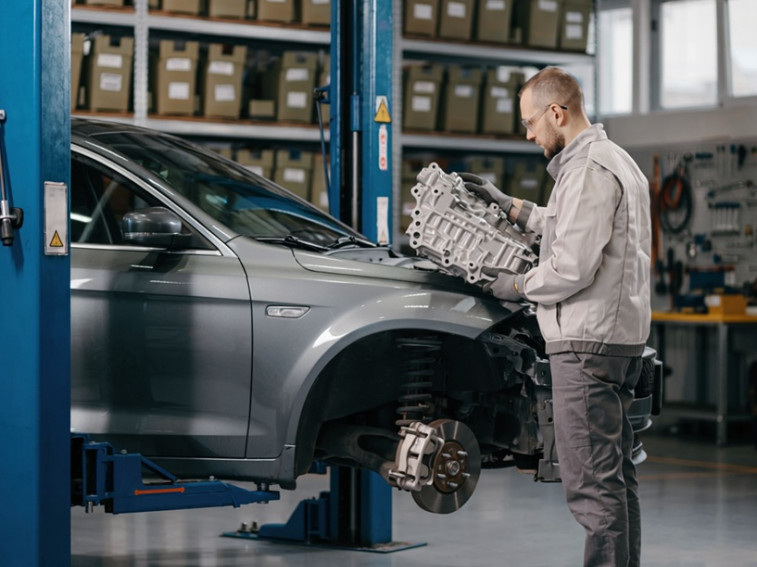
Systematic harvesting follows a sequence designed to maximise value per labour hour. Understanding this process is fundamental to evaluating parts harvesting profit viability.
Phase 1: High-Value, Low-Effort Components (Hours 1-2)
Remove high-value, low-effort components first. Alloy wheels, battery, catalytic converter, and infotainment systems come off initially. These items represent 35-40% of total vehicle value but require minimal technical skill. A single technician extracts these components in 90 minutes. This phase delivers immediate returns with minimal complexity for salvage parts business operations.
Phase 2: Mechanical Components (Hours 3-6)
Mechanical components demand more expertise. Engine removal requires hoist access and takes 2-3 hours depending on vehicle design. Modern transverse-mounted engines with integrated transmissions add complexity. Gearboxes, differentials, and driveshafts follow. This phase needs qualified mechanics who understand proper disconnection procedures to avoid damaging components during extraction.
Phase 3: Body Panels and Interior (Hours 7-12)
Body panels, lights, interior trim, and electrical components comprise this phase. This work is labour-intensive but generates consistent revenue. A complete set of leather seats from a premium vehicle sells for £600-900. Individual door cards, dashboard sections, and centre consoles each find buyers in the modification market.
The labour economics improve dramatically with volume. A facility processing 50 vehicles monthly achieves better efficiency than one handling 10. Technicians develop vehicle-specific knowledge, learning that BMW E90 models have a common cooling system failure means prioritising water pumps and radiators from those vehicles. This specialisation directly enhances parts harvesting profitability across the operation.
Storage and Inventory Management Costs
Parts harvesting creates an inventory problem that scrap metal sales avoid. A crushed vehicle leaves the facility within 48 hours. Harvested components might sit for 6-18 months before selling.
Storage costs £12-18 per square metre monthly in most UK industrial areas. A typical salvage vehicle occupies 8 square metres during dismantling, then its parts consume 2-3 square metres of shelving. Multiply this across 200 vehicles annually, and storage becomes the second-largest operating cost after labour.
Inventory categorisation into three movement speeds optimises parts harvesting profit and cash flow:
Fast-moving parts (sell within 30 days): Mechanical components for popular models aged 5-10 years. These parts turn over quickly enough that storage costs remain negligible. Examples include alternators, starter motors, suspension components, and brake calipers for Volkswagen, Ford, Vauxhall, and BMW vehicles. These components represent the most profitable aspect of salvage parts business operations.
Medium-moving parts (sell within 90 days): Body panels, interior components, and electronics. These require more storage space and detailed cataloguing. A buyer searching for a passenger door needs to know colour code, whether it includes electric windows, and condition grade.
Slow-moving parts (sell within 6-18 months): Specialist components, parts from less common models, or items with limited damage tolerance. These tie up capital and space. After 18 months, liquidating slow-moving inventory at 40-60% of initial asking price recovers storage costs and frees warehouse capacity.
The inventory management challenge intensifies when salvage car auctions bring in diverse vehicle types. A facility focused on German prestige vehicles maintains predictable inventory. One accepting all vehicle types faces exponentially more SKU complexity. This constraint directly limits parts harvesting efficiency for generalist facilities.
Digital Infrastructure and Market Reach
The economics of parts harvesting changed fundamentally when online marketplaces replaced phone-based sales. Pre-2010, a dismantler served a 30-mile radius. Today, components ship nationwide, expanding the customer base 50-fold.
This market expansion requires substantial digital infrastructure investment:
Photography and listing systems: Each component needs 3-5 photographs showing condition, fitment points, and part numbers. Processing 200 parts per vehicle means 600-1,000 images. Investment in lighting rigs and camera equipment (£8,000), plus monthly costs for dedicated listing specialists (£400), optimises parts harvesting visibility online.
Inventory management software: Manual spreadsheets fail beyond 500 active listings. Purpose-built systems cost £200-600 monthly but reduce order errors by 90%. The software tracks component location, cross-references part numbers, and integrates with eBay, Facebook Marketplace, and specialist automotive platforms.
Packaging and logistics: A replacement headlight needs protective packaging that costs £3.50. Courier fees average £8-15 depending on size and weight. These costs reduce margin on lower-value items. Components worth less than £30 don't justify harvesting because logistics consume the profit entirely.
The digital transformation created a feedback loop: better online presence drives more sales, which justifies investing in photography and listing quality, which further increases conversion rates. Average order values increased from £85 in 2019 to £140 in 2024, primarily because detailed listings attract buyers seeking specific components rather than price shoppers. This progression demonstrates the maturing salvage parts business model.
Building Customer Trust Through Digital Presence
Professional online presentation separates successful salvage parts business operators from amateur sellers. High-quality photographs showing multiple angles, clear part number identification, and accurate condition descriptions reduce customer queries by 60% and improve conversion rates by 35%.
Customer reviews and feedback systems create trust that commands premium pricing. Buyers pay 8-12% more from sellers with established positive feedback because they're purchasing confidence alongside components. Building this reputation requires consistent accuracy in grading, prompt communication, and reliable packaging.
Quality Grading and Customer Expectations
Unlike scrap metal where quality variations matter little, used parts require rigorous condition assessment. A four-grade system defines parts harvesting quality standards:
Grade A: Cosmetically excellent, fully functional, suitable for prestige vehicles. These command 70-80% of new part prices. A Grade A BMW headlight sells for £320 when the new equivalent costs £440. Parts harvesting at this quality level generates premium margins for salvage parts business profitability.
Grade B: Minor cosmetic damage, fully functional. Represents 60% of inventory. Most buyers accept small scratches or scuffs for a 50-60% discount versus new parts.
Grade C: Visible damage but functional. Door panels with dents, bumpers with scuffs, seats with wear. These sell for 30-40% of new prices to cost-conscious buyers or those planning refurbishment.
Grade D: Salvage/repair. Non-functional items sold for core value or to specialists who rebuild components. A damaged turbocharger might sell for £80 when a functioning unit fetches £350.
Accurate grading prevents returns, which cost £15-25 in courier fees plus relisting time. Return rates dropped from 12% to 3% after implementing standardised grading with photographic evidence. The time invested in proper assessment (approximately 2 minutes per component) saves £180-240 monthly in return costs and protects reputation.
Environmental Regulations and Compliance Costs
The Authorised Treatment Facility (ATF) regulations govern salvage vehicle processing and directly impact parts harvesting profit economics:
Depollution requirements: Before dismantling begins, draining and properly disposing of all fluids (engine oil, coolant, brake fluid, air conditioning refrigerant, and fuel) costs £45-60 per vehicle in labour and disposal fees. The scrap vehicle collection process includes these costs, but they reduce the margin available for parts harvesting operations.
Hazardous waste handling: Airbags, mercury switches, and batteries require specialist disposal. Airbag disposal costs £8-12 per unit, and vehicles contain 4-8 airbags. These costs are fixed regardless of whether parts get harvested or the vehicle gets crushed.
Record keeping: ATF regulations mandate detailed records of vehicle intake, parts sold, and final disposal. Employing a compliance officer at £32,000 annually whose sole role involves documentation and Environment Agency reporting represents a significant fixed cost supporting salvage parts business operations.
Site licensing and inspections: ATF licences cost £3,100 every three years, plus annual inspections averaging £800. These fixed costs distribute across all vehicles processed, favouring higher volume operations.
Environmental compliance creates a barrier to entry that protects established operators from casual competitors. A new entrant needs £40,000-60,000 for site preparation, drainage systems, and fluid storage infrastructure before processing the first vehicle. This capital requirement means parts harvesting economics only work at scale; processing fewer than 300 vehicles annually makes the compliance overhead prohibitive.
Market Competition and Price Dynamics
The used parts market operates on supply-demand principles complicated by information asymmetry. When a 2016 Audi A4 enters a facility, competition comes from:
Official dealer networks: Offering new genuine parts with warranties. Their prices set the ceiling; buyers won't pay more than 70-80% of new prices for used components.
Independent parts suppliers: Importing aftermarket alternatives, typically priced 40-50% below dealer rates. These establish a competitive middle ground where most parts harvesting revenue concentrates.
Other dismantlers: Approximately 1,200 ATF-licensed facilities operate in the UK. Popular parts face intense competition. Tracking competitor pricing weekly and adjusting listings to remain within 5% of market rates maintains competitiveness.
DIY sellers: Private individuals breaking vehicles at home, avoiding business overheads. They undercut commercial operators by 20-30% but offer no guarantees or returns.
This competitive landscape means parts harvesting economics vary dramatically by component type. Mechanical parts with clear failure modes (alternators, starter motors, injectors) face intense price competition. Cosmetic components like body panels and interior trim maintain better margins because condition variations reduce direct comparability.
Specialisation improves parts harvesting profit significantly. Facilities focusing on specific manufacturers develop expertise that commands premium pricing. A dismantler known for BMW parts attracts buyers willing to pay 10-15% more because they trust the specialist knowledge behind the grading and fitment advice.
Seasonal Demand Fluctuations
Understanding seasonal patterns maximises salvage parts business returns. Winter months (November-March) see 40% higher demand for mechanical components as vehicles experience cold-weather failures. Suspension parts, batteries, and starter motors move fastest during this period.
Summer months favour body panels and cosmetic components as owners undertake improvement projects. Understanding these cycles allows strategic inventory management, holding winter-demand parts during summer acquisition periods when competition for complete vehicles remains lower.
The Calculation: When Harvesting Beats Crushing
A Category S 2017 Volkswagen Passat arrives at a facility. The decision process determines whether parts harvesting is viable:
Scrap metal value: 1,280 kg at current rates (£140 per tonne) = £179. Add £85 for the catalytic converter. Total scrap value: £264.
Estimated parts revenue: Engine (£850), gearbox (£420), four alloy wheels (£280), headlights (£240), interior (£380), suspension components (£190), doors and panels (£460), electronics (£290). Total estimated: £3,110.
Costs to harvest: Labour 14 hours at £45 (£630), storage 3 months average (£180), listing and photography (£60), packaging materials (£95), payment processing fees 3% (£93). Total costs: £1,058.
Net profit from harvesting: £3,110 - £1,058 = £2,052 Net profit from crushing: £264 - £45 depollution = £219
The harvesting route generates £1,833 more profit but requires 14 hours of labour and three months of capital tie-up. This calculation runs positive for most vehicles aged 5-12 years from volume manufacturers. Older vehicles see parts demand drop sharply. Newer vehicles often get repaired rather than salvaged, reducing the supply of harvestable examples where parts harvesting becomes unviable.
Evaluating inventory through featured auctions provides access to vehicles where damage reports and history transparency support accurate profit calculations before bidding.
Conclusion: Building a Sustainable Parts Harvesting Operation
Parts harvesting transforms salvage vehicles from low-value scrap metal into revenue-generating inventory. The economics work when parts revenue exceeds scrap value by at least £600, covering the labour and overhead costs of systematic dismantling.
Success requires matching vehicle selection to market demand, efficient dismantling processes, proper inventory management, and digital infrastructure to reach national buyers. The investment in ATF compliance, storage facilities, and listing systems creates barriers to entry that favour established operators processing 300+ vehicles annually.
The 300% margin difference between scrapping and harvesting (£264 versus £2,052 in the Passat example) explains why professional dismantlers dominate the UK salvage industry. When sourcing vehicles for salvage parts business operations, RAW2K provides significant daily volume flows. Expand operations by exploring van auctions and truck auctions where commercial vehicle parts command premium pricing.
As vehicle complexity increases and new car prices rise, demand for quality used components continues growing, making parts harvesting profit an increasingly viable economic model for operators who can manage the inventory, regulatory, and technical challenges involved. When ready to scale operations, register to bid and access verified seller networks and integrated bidding systems.
For specialist guidance on evaluating specific vehicles for parts harvesting potential or sourcing inventory at volume, contact us for support from experienced specialists. Opportunities across motorcycle auctions and machinery auctions present additional salvage parts business diversification options where economics differ significantly from standard vehicles.