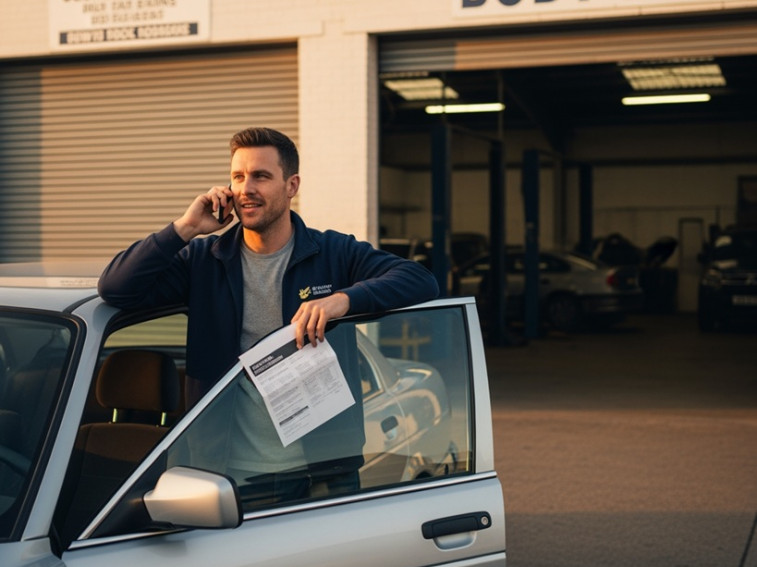
The difference between profitable salvage projects and expensive disasters often comes down to who you know. Having established relationships with reliable bodyshops, mechanics, and specialists before buying your first salvage vehicle transforms how you assess opportunities and execute repairs.
Building a salvage repair network takes time, but starting before you need it provides crucial advantages. You can evaluate specialists properly, compare pricing without urgency, and develop trust through smaller projects before committing to major restoration work.
This guide covers finding, vetting, and maintaining relationships with the repair professionals who make salvage projects successful. Whether sourcing vehicles through platforms like RAW2K or other channels, having your network ready determines profitability before you bid.
Why Building Networks Before Buying Matters
Most buyers approach networking backwards. They buy a vehicle, then desperately search for someone to repair it. This emergency approach guarantees premium rates, rushed decisions, and increased risk of poor workmanship.
Repair Network Preparedness
Established relationships before purchase allow realistic assessment. You know what repairs will cost because you have quotes from trusted specialists. You know how long work will take because your contacts provide accurate timelines.
This preparedness prevents the optimistic assumptions that destroy profitability. Your £2,000 repair budget is realistic because it comes from actual quotes, not hopeful internet research.
Cost Estimation Accuracy
When evaluating potential auction purchases, knowing your repair costs accurately determines maximum bid amounts. Established workshop relationships provide this accuracy.
Without network relationships, cost estimates become guesswork. With them, you can text photos to your bodywork specialist and receive ballpark figures before bidding closes.
Timeline Reliability
Trusted workshops commit to timeframes they actually meet. Unknown workshops promise optimistically and deliver late. The difference determines whether your six-month flip takes six months or eighteen.
Reliable timelines mean accurate capital allocation. You know when money ties up in projects and when it becomes available for the next purchase.
Quality Assurance
Proven specialists deliver consistent quality. Unknown workshops gamble. The specialist whose Cat S restoration you have seen and inspected is far safer than the cheapest quote from someone you found through Google.
Quality determines resale value and buyer confidence. Professional repairs command premium prices. Questionable work attracts lowball offers and sceptical questions.
Finding Bodywork Specialists Worth Keeping
Bodywork forms the core of most salvage projects. Finding reliable specialists should be your first priority.
Independent Bodyshop Identification
Independent bodyshops often provide better value than franchise operations. They work on salvage projects regularly and understand the economics better than insurance-focused shops.
Ask for recommendations in salvage buyer groups. Experienced buyers know which bodyshops deliver quality work at competitive rates. These referrals prove more valuable than online reviews, which often reflect insurance work rather than salvage projects.
Specialist Salvage Repairers
Some bodyshops specialise in salvage restoration rather than insurance claims. They understand structural repair requirements for Cat S vehicles and maintain BSI or Thatcham certification for engineer reports.
These specialists cost more per hour but save money overall through efficiency and avoiding rework. They know what insurance-approved repairs require and deliver first time.
Portfolio Assessment
Request to see previous salvage projects. Quality bodyshops maintain portfolios showing before, during, and after photos of Cat S restorations they have completed.
Examining their work reveals quality standards and whether they understand salvage-specific requirements. Look for proper alignment, quality paint matching, and documentation of structural repairs.
Pricing Transparency
Discuss rate structures upfront. Hourly rates, materials markup, and any additional charges should be clear before you commit to projects.
Some shops charge premium rates for "difficult" salvage work. Others provide standard rates. Understanding pricing structures helps you evaluate whether quotes represent fair value.
Building Mechanical Diagnostic Partnerships
Bodywork specialists handle external repairs, but mechanical issues require different expertise.
Mobile Mechanics Advantages
Mobile mechanics inspect vehicles before you bid, diagnose problems at collection, and perform repairs at your location. This flexibility proves invaluable for salvage buyers.
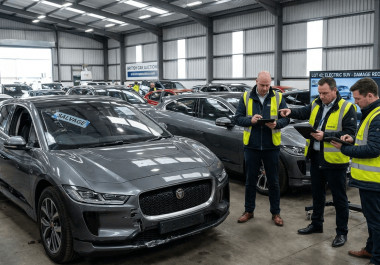
Establish relationships with mobile mechanics who understand salvage vehicles. They can attend auction viewings with you, providing professional assessment before bidding.
Main Dealer Alternatives
Independent specialists with dealer-level diagnostic equipment provide main dealer capabilities at independent prices. Finding these workshops gives you access to manufacturer-specific knowledge without franchise overheads.
Ask about their diagnostic equipment and manufacturer training. The right independent specialist performs work indistinguishable from main dealers at significantly lower rates.
Manufacturer Specialists
Certain marques benefit from specialist knowledge. BMW specialists, Volkswagen specialists, and JLR specialists develop expertise that generalist workshops cannot match.
For complex salvage projects involving these manufacturers, specialist workshop relationships become essential. They diagnose problems faster, source parts more efficiently, and understand model-specific issues that cause problems.
Relationship Building Through Small Jobs
Test relationships with minor work before committing major projects. A service, diagnostic check, or simple repair demonstrates how workshops communicate, price work, and deliver quality.
Small jobs reveal whether workshops are reliable enough for significant salvage projects. Poor communication or quality issues appear quickly, protecting you from larger mistakes.
Specialist Workshop Documentation
Modern vehicles require specialist knowledge that traditional workshops lack. Building relationships with these specialists becomes essential.
ADAS Calibration Specialists
Advanced Driver Assistance Systems require calibration after bodywork or windscreen replacement. Not all workshops have the equipment or training to perform this work.
Identify ADAS calibration specialists before buying vehicles with these systems. Without them, your repaired vehicle may not pass MOT or function correctly.
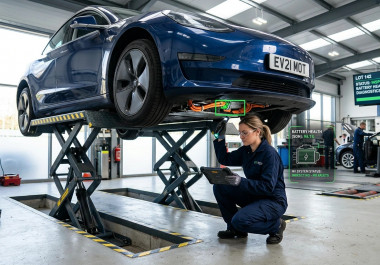
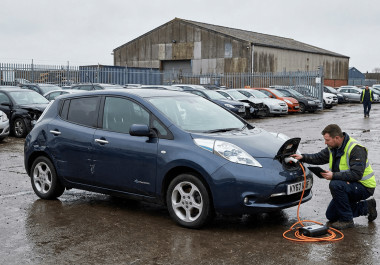
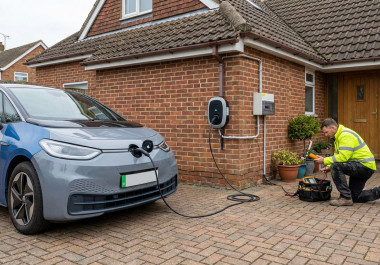
Hybrid and Electric Specialists
High-voltage systems require specialised training and safety equipment. Not all mechanics work on hybrid or electric vehicles, and those that do charge premium rates.
Establish these relationships before buying hybrid or EV salvage. Browse EV salvage options only after confirming local repair capability. Otherwise, you may own an unrepairable vehicle.
ECU Programming Contacts
Module replacement often requires programming or coding. Locksmiths, mobile programmers, or specialists with manufacturer software access become essential for certain repairs.
Immobiliser issues, key programming, and module replacement all require these specialists. Without them, simple repairs become impossible obstacles.
Bodywork Certification
Cat S vehicles require structural repair certification for insurance and resale. Not all bodyshops hold BSI or Thatcham certification to provide this documentation.
Confirm certification before starting Cat S projects. Without proper documentation, your repair may be mechanically sound but legally unsellable or uninsurable.
Insurance-Approved Repairer Connections
Certain salvage projects require insurance industry approval. Building these relationships opens opportunities others cannot access.
Engineer Report Providers
Independent engineers assess structural repairs and provide reports for insurance companies. These reports confirm vehicles meet safety standards after Cat S restoration.
Finding qualified engineers and understanding their requirements streamlines the approval process. Some engineers work exclusively with certain bodyshops, making workshop relationships even more important.
Certification Requirements
BSI and Thatcham standards define what constitutes acceptable structural repair. Not all repairs meet these standards, even if mechanically sound.
Understanding these requirements before starting repairs prevents costly corrections. Relationships with certified repairers ensure compliance from the outset.
Documentation Processes
Proper documentation includes photographs at each repair stage, measurements proving alignment accuracy, and material certificates for welding or bonding.
Workshops experienced with engineer reports know what documentation is required. Those without experience omit crucial details that delay or prevent approval.
Relationship Building for Future Projects
Once you have successfully completed Cat S restorations with approved workshops and engineers, subsequent projects become easier. Known relationships streamline approvals and reduce documentation requirements.
This relationship value compounds over time. Your fifth Cat S restoration proceeds faster and more smoothly than your first because everyone involved knows what is required.
Parts Suppliers and Breakers Networks
Reliable parts sourcing determines whether projects complete on schedule or stall for months awaiting components.
Salvage Yard Relationships
Regular customers receive preferential treatment at salvage yards. Notification of new stock, first refusal on premium parts, and account pricing all flow from established relationships.
Opening accounts with multiple salvage yards provides options. When one yard lacks the part you need, another often has it. Check locations near you to identify convenient yards for account setup.
Online Breaker Networks
National breaker networks access inventories from hundreds of yards. Establishing accounts with these services provides part sourcing across the country rather than just locally.
For discontinued or rare components, nationwide searching becomes essential. Relationships with breaker networks make this process efficient rather than frustrating.
Specialist Parts Importers
German premium vehicles and Japanese performance cars often require imported parts. Specialists who handle these imports regularly understand sourcing and provide better service than generalists attempting unfamiliar territory.
Building relationships with specialist importers provides realistic lead times and competitive pricing for components that would otherwise cause project delays.
Trade Accounts
Trade pricing makes meaningful differences to profitability. The difference between retail and trade prices on a full parts order can exceed £500 on significant projects.
Establishing trade accounts requires demonstrating regular purchasing or business registration, but the effort saves substantially over multiple projects.
Creating Your Contact Database
Informal contacts become useless when you cannot remember names, specialties, or pricing. Systematic organisation turns contacts into assets.
Spreadsheet Systems
Create categories for bodyshops, mechanics, specialists, parts suppliers, and engineers. Record contact details, specialties, and notes about previous interactions.
Include pricing information, typical response times, and any specific strengths or limitations. This reference becomes invaluable when assessing new projects.
Contact Information Recording
Beyond names and numbers, record best contact methods and availability patterns. Some specialists prefer text, others email. Some only work weekdays, others operate weekends.
These details save time when urgency strikes. Knowing who responds fastest or who works Saturdays determines who you contact first.
Project Documentation
Record which specialists handled which projects, what they charged, and whether they met timelines. This historical data informs future decisions.
Over time, patterns emerge. Certain workshops consistently exceed timelines. Others deliver early. Some handle specific vehicle types better than others. Your documentation reveals these patterns.
Regular Relationship Maintenance
Contacts decay without maintenance. Periodic check-ins, referrals to other buyers, and updates on your projects maintain relationships during gaps between your work.
When you need them again, you are remembered favourably rather than being treated as a stranger starting from scratch.
Testing Relationships with Small Projects
Never commit major salvage projects to untested workshops. Small jobs reveal reliability before you risk significant money.
Starting Small Strategy
Begin with services, diagnostic checks, or minor repairs. These jobs demonstrate workshop capability and communication style without major risk.
A workshop that delivers on small jobs reliably is likely to perform well on larger projects. One that struggles with minor work will definitely fail with complex restoration.
Quality Assessment
Examine completed work carefully. Quality standards on minor jobs indicate standards for major projects. Attention to detail or its absence transfers across job sizes.
Poor paintwork on a bumper repair predicts poor paintwork on panel replacement. Shortcuts on simple jobs guarantee shortcuts on complex ones.
Communication Evaluation
How workshops communicate during minor jobs reveals how they will communicate during major ones. Responsive, transparent communication indicates professional operations. Vague responses or unreturned calls signal problems ahead.
Test communication deliberately. Ask questions, request updates, and observe response patterns. Good communication proves as valuable as technical skill.
Pricing Verification
Compare initial estimates against final invoices on small jobs. Consistent pricing indicates honest operations. Significant variances suggest unreliable quoting or unexpected charges yet to come.
Minor discrepancies are normal. Major differences warrant concern and reconsideration before committing larger projects.
Managing Multiple Supplier Relationships
Maintaining relationships with several specialists in each category provides flexibility and competitive pressure.
Comparison Quoting Benefits
Multiple workshop relationships enable competitive quoting without burning bridges. Specialists expect buyers to comparison shop and respect buyers who maintain professional relationships across competitors.
Competitive quoting keeps pricing fair whilst maintaining relationship quality. Workshops know they compete on quality and service, not just price.
Specialist Matching
Different projects suit different specialists. Complex electrical issues need diagnostics specialists. Structural damage needs certified bodywork specialists. Matching projects to appropriate specialists optimises outcomes.
Your network enables this matching. Rather than forcing one workshop to handle everything, you select the best fit for each project.
Availability Management
Popular specialists book weeks ahead. Backup options prevent timeline disasters when your first choice is unavailable.
Multiple relationships mean you are never dependent on one workshop's availability. Projects proceed on schedule regardless of individual workshop backlogs.
Reputation Building
Consistent payment, professional conduct, and realistic expectations build your reputation as a good customer. This reputation improves service across your network.
Workshops prioritise reliable customers. Build that reputation deliberately through how you conduct relationships.
Red Flags and Relationship Termination
Not all specialist relationships work out. Recognising problem patterns protects you from poor service.
Inconsistent Pricing
Estimates that change significantly during work signal problems. Occasional unforeseen issues are normal. Consistent estimate overruns indicate poor assessment or deliberate underquoting.
Terminate relationships with workshops whose pricing cannot be trusted. Unreliable quotes make project assessment impossible.
Poor Communication
Unanswered calls, vague responses, and avoided questions indicate problems. Professional workshops communicate clearly and promptly.
Communication quality often predicts workmanship quality. Workshops that communicate poorly usually deliver poorly.
Quality Issues
Substandard work requiring correction demonstrates either incompetence or carelessness. Either disqualifies workshops from future consideration.
Your reputation and profitability depend on quality outcomes. Tolerate quality issues once, investigate causes. Repeat problems end relationships.
Timeline Failures
Chronic delays destroy project profitability. Occasional delays happen. Consistent failure to meet timelines indicates disorganised operations or overcommitment.
Reliable specialists deliver on time or communicate delays well in advance. Unreliable ones make excuses after deadlines pass.
Conclusion
Building your salvage repair network before buying your first vehicle provides advantages throughout every project. Cost estimation accuracy, timeline reliability, and quality assurance all flow from established specialist relationships.
Start networking today rather than waiting until you need repairs urgently. Attend local meetups, ask for recommendations, and begin testing relationships with minor work. This preparation saves thousands in avoided mistakes and premium rates.
The most profitable salvage buyers are not necessarily the best mechanics. They are the best networkers who know exactly who to call for every type of work. Build that network systematically, maintain it professionally, and watch it transform your salvage buying success.
Register for auctions with confidence knowing your repair network stands ready to execute whatever projects you win. For guidance on getting started, explore the help section to understand platform features and bidding processes.