Finding other people who share interest in salvage cars is not just about swapping stories over coffee. It is about building a network that can save thousands, help avoid problematic sellers, and provide inside track on vehicles before they hit main auction platforms.
Connections made through informal local salvage meetups and buyer groups prove invaluable over time. Tips about vehicles listed with wrong damage categories, access to parts at trade prices, and collective experience that prevents expensive mistakes all flow from these networks.
But these groups do not advertise on billboards. They are often tucked away in forum threads, Facebook groups, or weekend car park gatherings that most people would drive past without noticing. This guide covers salvage buyer network building strategies for finding and joining these valuable communities.
Why Bother with Local Salvage Buyer Groups
Before exploring how to find groups, understanding why they matter clarifies the effort's value. Bidding online and figuring things out independently works, but it means missing significant advantages.
Collective Experience Access
Local groups provide access to collective experience. Someone in your area has already made the mistakes you are about to make. They have dealt with local salvage yards, know which auction houses are reliable, and probably have contacts who can weld, paint, or sort electrics for half typical prices.
This accumulated knowledge would take years to develop independently. Group membership compresses that learning timeline dramatically.
Opportunity Spotting
Decent salvage cars can sell within hours of listing. If someone in your group spots a bargain and they are not interested, you might get first notification before it hits the wider market. This happens regularly in active groups.
Regional Knowledge
Every region has its quirks. Different auction houses have different bidding cultures. Some salvage yards are more negotiable than others. Regional salvage groups know this intelligence inside out.
Parts Sharing and Bulk Buying
Need a headlight for a specific model? Someone in your group probably has one sitting in their garage. Or members can club together to buy parts in bulk and split costs. These practical benefits add up to significant savings over time.
Start with Online Communities
The easiest entry point is online. Most local salvage meetups and groups have some kind of digital presence, even if it is just a WhatsApp chat or Facebook group.
Facebook Groups
Facebook Groups remain the biggest hub for car enthusiast communities. Search for terms like "salvage cars UK," "Cat N buyers," "project cars [your region]," or "salvage vehicle repairs." Join several and observe for a week or two.
Active members become apparent quickly. Watch for posts where people mention meeting up to view vehicles or help each other with repairs. That signals an active local scene worth connecting with.
Forums and Reddit
Older, established forums like PistonHeads or specialist manufacturer forums often have regional subforums. Reddit has communities where salvage buyers occasionally organise meetups or share tips.
These platforms contain years of accumulated discussions. Search archives for mentions of your area to find existing groups or regular contributors worth contacting.
Auction Platform Connections
Serious buyers often connect through auction platforms. Regularly bidding on vehicles in your region means recognising other usernames over time. Reaching out to ask if local groups exist often yields positive responses.
Check Local Auction Houses and Salvage Yards
Physical auction houses and salvage yards are natural gathering points for buyers. Even without official meetups, they are where the community congregates.
Viewing Day Networking
Most auction houses have set days when buyers can inspect vehicles before bidding. Attending these viewings provides auction house networking opportunities. Looking around and striking up conversations with other viewers identifies the regulars.
Asking opinions about specific vehicles serves as natural icebreaker. "What do you reckon to this one?" opens conversations that reveal who attends regularly and whether informal groups exist.
Building Staff Relationships
Auction house employees and salvage yard managers know who the serious buyers are. Building rapport with them might lead to introductions or information about local salvage meetups and buyer gatherings. Check auction locations to find viewing days near you.
Staff see the same faces repeatedly and often know which buyers connect outside official auction events, making auction house networking easier through these introductions.
Notice Boards
Some yards have physical or digital notice boards where buyers post wanted ads or upcoming events. It is old-school, but it works for finding local connections.
Attend Car Shows and Enthusiast Events
Salvage car buyers often overlap with the wider car enthusiast communities. Classic car shows, modified car meets, and track days are places where people who buy, repair, and flip vehicles gather.
Project Car Sections
Many events have areas dedicated to cars that are works in progress. Owners are often salvage buyers who have rebuilt vehicles from the ground up. Starting conversations about their builds usually leads to enthusiastic responses.
Most people love talking about their projects. These conversations naturally reveal whether organised groups exist locally.
Event Listings
Check event listings on Eventbrite or local Facebook pages. Search for terms like "car meet [your town]" or "modified car show." Even events not specifically for salvage buyers contain like-minded people from car enthusiast communities.
Informal Meetups
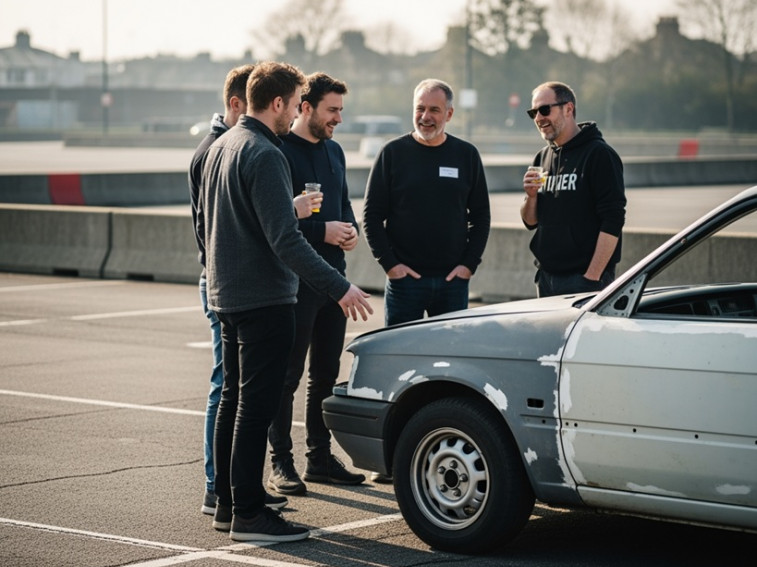
Some of the best groups meet in supermarket car parks on Sunday mornings. They are not widely advertised, but online community members mention them. Browse salvage cars for sale and connect with other browsers interested in the same vehicles.
Use Social Media Strategically
Instagram and TikTok might seem unlikely places for salvage buyer network building, but they are increasingly popular for car enthusiasts documenting their builds.
Hashtag Following
Follow hashtags like #SalvageCar, #CatS, #CatN, #ProjectCar, and #CarFlip. Accounts run by people in your area become apparent. Messaging to ask about local groups usually receives helpful responses.
Location Tags
Searching for posts tagged at your local auction house or salvage yard shows who has been there recently. Following those accounts and engaging with their content builds connections.
Live Streams
Some salvage buyers host live Q&A sessions or document auction trips in real time. Comment sections are often where people connect and arrange meetups.
Start Your Own Group
If exhausting all search methods still reveals no local group, creating one yourself is easier than expected. Many people are waiting for someone else to take the lead.
Setting Up
Set up a Facebook group or WhatsApp chat. Make the purpose clear: sharing tips, organising meetups, and helping each other with salvage purchases. Post in other car-related groups to invite members.
First Meetup Organisation
Pick a pub, café, or car park. Choose a date and time. Post it in your new group and in any online forums you are part of. Even if only three people show up, that is a start.
Offering Value
Share a tip, post a vehicle listing, or bring along useful information. Give people reasons to stay engaged from the beginning.
Groups started with just five members can grow to forty within months, organising regular trips to auction houses. It does not take much to build momentum.
What to Expect at First Meetups
Walking into a group of strangers who all seem to know each other can feel awkward. But salvage car buyers are generally welcoming. Everyone was the new person at some point.
Ask Questions and Listen
People love sharing their knowledge. Ask about current projects, what they are bidding on, or how they got started. Learning happens quickly whilst building rapport.
Bring Contribution
If you have recently bought a salvage car, talk about it. If you have found a good parts supplier, share the details. Contribution builds trust and establishes value as a member.
Avoid Sales Initially
Some groups have rules against selling on first meetings, and even without formal rules, it is bad form. Focus on building relationships first. Sales opportunities come later naturally.
Follow Up
After meetups, stay active in group chats. Share listings, ask for advice, and engage with other members' posts. Consistency is how valued membership develops.
Keep Your Network Active
Once finding or building a group, keeping it relevant and active matters. Dead groups are worse than no group at all.
Share Opportunities Regularly
Spotting good listings and posting them in the group keeps things active. Even without personal interest, someone else might benefit.
Organise Regular Meetups
Monthly is ideal. It does not require formality. Sunday morning coffee or trips to view auction vehicles works fine.
Parts Exchange Systems
Setting up shared documents or chat threads where members list parts they are selling or seeking saves everyone money. This practical utility alone justifies group membership.
Help New Members
Remember how daunting starting was. Answer questions, offer advice, and make newcomers feel welcome. This builds the community that benefits everyone.
Avoid Common Pitfalls
Not all groups are created equal, and some can turn problematic without proper boundaries.
Sellers Posing as Buyers
Some groups get infiltrated by dealers who just want to offload stock. If someone constantly pushes vehicles without ever buying or helping others, they are probably not there for the right reasons. Address this early.
Sales and Commission Rules
Some groups allow members to flip vehicles within the group. Others do not. Agreeing on this early avoids arguments later.
Information Boundaries
Great sources for cheap parts or particular auction strategies that work should be shared within the group but not on public forums. Protecting collective advantages matters.
Maintaining Respect
Disagreements happen, especially when money is involved. Personal attacks or aggressive behaviour kill groups fast. Zero-tolerance policies from the start prevent problems.
Building Long-Term Relationships
The real value of local salvage meetups is not just tips and deals. It is relationships built over months and years.
Be Reliable
If you say you will help someone collect a vehicle or lend them a tool, follow through. Reputation matters in small communities. Reliability builds trust that opens doors.
Give More Than You Take
Always aim to contribute more value than you extract. Share knowledge, offer help, and support other members' projects. This generosity compounds over time.
Stay Humble
Even with years of experience, there is always something new to learn. Thinking you know everything guarantees expensive mistakes. Openness to learning from others maintains growth.
Relationship Value
Connections made through salvage buyer network building often extend beyond vehicles. Members become genuine friends who help each other through problematic purchases, celebrate successful flips, and share countless hours at auctions.
Conclusion
Finding local salvage meetups takes effort, but it is effort that pays dividends. Learning happens faster, costly mistakes get avoided, and networks open doors that most buyers never know exist.
Start online, attend auction houses, attend car shows, and do not hesitate to create your own group if nothing exists. Once in, stay active, contribute value, and build genuine relationships.
The salvage car community is full of people who have been where you are now. They have bought vehicles that turned out to be money pits, missed opportunities they should have spotted, and learned lessons the hard way. But they have also found incredible bargains, completed satisfying projects, and made lasting connections.
Having a local network behind you makes all the difference. Get out there, find your people, and start building those connections through salvage buyer network building that transforms how you approach every auction. Register for salvage auctions today to start connecting with the salvage community. For more guidance, check the help section.