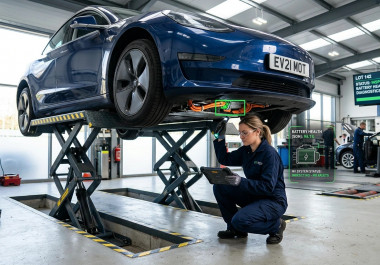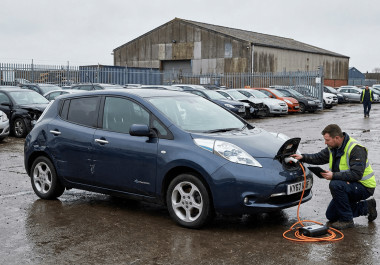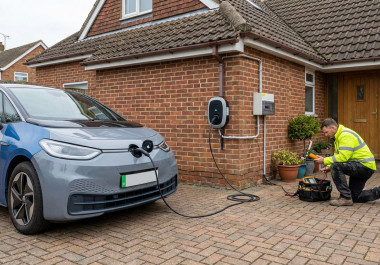
Winning a Cat S vehicle at auction for a fraction of retail value creates opportunity, but turning damaged metal into profit requires knowledge. Not just mechanical skill, but understanding how salvage categories work, what insurance assessors look for, and which repairs add value versus which ones drain budgets.
The good news is that expensive mistakes are not the only teacher. A wealth of books, salvage restoration courses, and vehicle repair training resources can fast-track restoration knowledge. Some are brilliant. Others are overpriced and unhelpful. This guide separates genuinely valuable resources from those that waste time and money.
Whether learning to restore a single project or building salvage flipping into a business, investing in proper education saves time, money, and frustration. Platforms like RAW2K provide access to vehicles, but knowledge determines whether those vehicles become profits or losses.
Why Formal Learning Matters in Salvage Work
Salvage restoration extends beyond mechanics. It involves insurance write-offs, salvage categories, legal requirements for re-registering vehicles, and assessment criteria that determine whether repaired vehicles pass inspection.
Beyond Spanners and Wrenches
Buyers who spend thousands repairing vehicles to showroom condition sometimes discover they missed crucial documentation requirements that engineers wanted recorded. Stripping work back down to photograph structural repairs costs additional weeks and hundreds in re-inspection fees.
Decent salvage restoration courses or reference books prevent such expensive oversights entirely.
Three Critical Knowledge Areas
The best resources cover three essential domains:
-
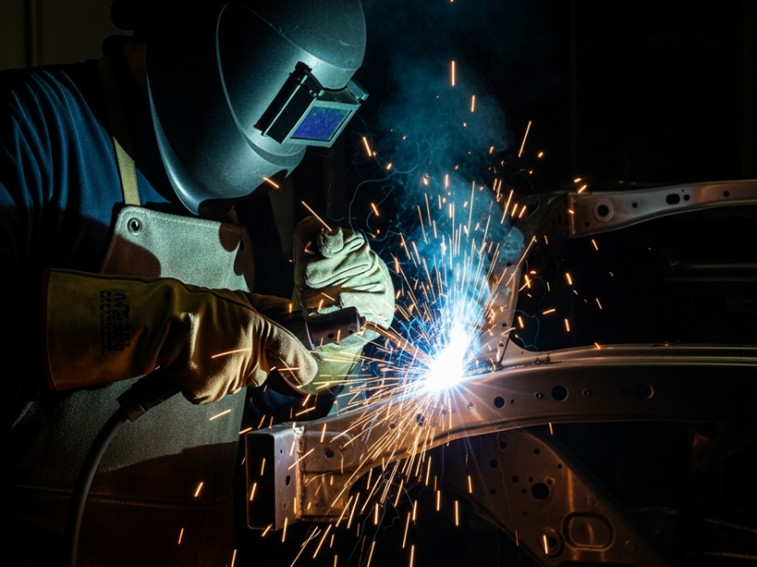
Technical repair skills including welding, panel beating, paint matching, and mechanical diagnostics
-
Salvage category knowledge covering Cat N, Cat S, Cat A, Cat B, and what each means for projects
-
Legal and administrative processes including V5C changes, engineer reports, and insurance notification
All three matter. Mastering the mechanical work but ignoring paperwork creates vehicles that cannot be legally sold.
Books That Teach Salvage Restoration
Physical books might seem old-fashioned, but they excel as reference materials. Laptops cannot be propped open under bonnets, but manuals survive workbench conditions covered in grease stains.
Workshop Manuals and Technical Guides
Haynes Manuals remain the gold standard for model-specific repair work. For restoring specific makes and models, Haynes manuals provide detailed, photo-heavy guidance written for home mechanics rather than trained technicians. This foundation forms essential workshop manual selection criteria.
Autodata manuals are more technical and aimed at professional workshops, but they prove invaluable for electrical diagnostics or precise torque settings. They cost more, but justify the investment for serious salvage work. Understanding workshop manual selection between consumer and professional-grade resources ensures appropriate reference material investment.
Bodywork-Specific Publications
For bodywork specifically, "Automotive Body Repair and Painting" by James E. Duffy covers everything from minor dent removal to full panel replacement and paint matching. The sections on structural damage assessment prove particularly useful for anyone working with Cat S vehicles.
Salvage Category References
The challenge with salvage-specific books is that UK regulations have changed over years. The ABI (Association of British Insurers) Code of Practice is freely available online and explains current salvage categories definitively. It makes dry reading, but it is the authoritative source for developing comprehensive salvage category knowledge.
For something more accessible, "The Car Buyer's Guide" by Honest John includes excellent sections on salvage vehicles, HPI checks, and assessment criteria. It is not restoration-focused, but understanding buyer assessment helps restore vehicles to sellable standards.
Classic and Import Resources
For older vehicles or imports, "How to Restore Your Collector Car" by Tom Brownell provides comprehensive coverage. It is American, so regulatory content does not apply, but technical restoration content is excellent.
For Land Rover enthusiasts, Lindsay Porter's restoration guides are exhaustive and brutally honest about costs and time requirements.
Online Courses Worth Investment
Books provide reference value, but video courses show techniques in action. The problem is significant quality variation. Separating valuable vehicle repair training resources from overpriced content requires careful evaluation.
IMI Accredited Qualifications
The IMI (Institute of the Motor Industry) offers accredited courses in vehicle body repair and refinishing. These are not cheap, but they represent recognised qualifications with genuine meaning. For those planning salvage restoration as business rather than hobby, IMI accredited qualifications add credibility.
City and Guilds automotive courses are available through local colleges and cover everything from basic mechanics to advanced diagnostics. Many colleges offer evening classes specifically for hobbyists and small traders, with IMI accredited qualifications available through partnership programmes.
City and Guilds Options
Twelve-week welding courses at local technical colleges often cost less than £300. Such courses represent exceptional value for salvage restoration skills.
YouTube and Free Resources
Before paying for anything, exhaust free options. ChrisFix on YouTube provides detailed videos on paint repair, rust removal, and bodywork that rival paid courses. The "How to Fix Rust" series alone could save thousands on restoration projects.
South Main Auto excels for diagnostics and electrical work. Mighty Car Mods covers ambitious projects including full engine swaps and turbo installations.
The key with YouTube is selectivity. Watch creators who show mistakes as well as successes. If someone makes every job look effortless, they are either exceptionally skilled or editing out the problems.
Specialist Salvage Training
Some auction houses and salvage specialists offer training days or workshops. These are not always widely advertised, but they are worth seeking out.
Auction House Seminars
Major auction platforms occasionally run seminars on salvage categories and bidding strategies. Trade training availability varies, but checking with platforms about educational offerings reveals opportunities through vehicle auctions.
Networking Value
The advantage of these sessions extends beyond formal content. Attendees meet other buyers, dealers, and repairers. Learning happens over conversations with other bidders as much as from formal instruction.
These connections often prove more valuable than the formal course content itself. For specific training enquiries, contact auction platforms about educational offerings.
Online Platforms and Memberships
SkillShare and Udemy both host automotive courses. Quality varies wildly, so checking reviews carefully matters.
Evaluation Criteria
Look for courses with at least 4.5 stars and hundreds of reviews. Anything less usually indicates amateur content that wastes time.
Specialist Membership Sites
The Bodyshop Bible is a membership site specifically for body repair professionals. At around £30 per month, it is not cheap, but it includes video tutorials, technical bulletins, and community access.
For Cat S structural repairs, a month's subscription to access chassis straightening content alone might justify the cost.
What to Look for in Quality Courses
Not all salvage restoration courses deliver equal value. Before spending money, check for these elements:
Practical Demonstrations
Techniques need to be seen performed, not just described. Video content should be clear, well-lit, and shot from angles that actually show what is happening.
Current Information
Salvage categories changed in 2017 when Cat C and D became Cat S and N. Any course still referencing the old system is outdated and potentially misleading.
UK-Specific Content
American and Australian courses can be useful for techniques, but their legal frameworks differ completely. Any course covering paperwork and regulations must be UK-focused to have practical value.
Realistic Expectations
Be wary of courses promising "thousands flipping salvage cars" with minimal effort. Profitable restoration requires skill, time, and capital. Anyone promising otherwise is selling dreams rather than education.
Learning Through Auction Platforms
One resource many people overlook is the auction platform itself. Browse salvage cars for sale and study detailed vehicle listings that are educational in themselves.
Listing Study Value
Each listing includes damage descriptions, photographs, and often engineer reports. Spending time studying listings even without bidding develops assessment skills and reinforces salvage category knowledge through practical application.
Pattern Recognition
Compare damage descriptions with photographs. Observe how different damage types affect final sale prices. Over time, an eye develops for what is economically repairable versus what is not.
Free Information Utilisation
FAQ sections answer common questions about bidding, vehicle collection, and documentation. Check the help section for immediate advantages that many buyers never use.
Hands-On Experience Value
The uncomfortable truth: books and videos provide foundation, but true understanding comes through doing. Knowledge without application remains theoretical.
Start Small
First projects should not be Cat S vehicles with structural damage. Cat N vehicles with cosmetic damage provide learning opportunities without excessive risk.
Learning paint blending, proper bumper replacement, and minor electrical repairs builds foundation skills progressively.
Progressive Development
Each project teaches something. First projects reveal realities about paint codes, parts sourcing, and how long jobs actually take versus expectations.
By the fifth project, confidence in Cat S vehicles develops. By the twentieth, damaged cars can be assessed in minutes with accurate viability judgements.
Combining Resources Effectively
The most effective approach combines multiple vehicle repair training resources strategically:
Foundation Knowledge
Start with good general automotive repair manuals for target vehicle types alongside ABI salvage category guidelines. Workshop manual selection determines reference quality throughout restoration careers.
Specific Skills
Use YouTube for technique demonstrations. Learning MIG welding benefits from watching multiple creators, picking up different tips from each.
Structured Learning
For genuine weakness areas like electrical diagnostics or paint spraying, invest in focused courses. One comprehensive course beats a dozen superficial ones.
Practical Application
Apply learning on real projects. Start with cheap, low-risk vehicles and progress to more complex repairs.
Community Learning
Join forums, Facebook groups, or local car clubs. Collective knowledge in these communities is enormous. Problems often solve faster through quick forum posts than hours of manual reading. Check auction locations near you to connect with local communities and training opportunities.
Economics of Learning Investment
Quality training costs money, but it is investment that pays back quickly.
Cost-Benefit Calculations
A £300 welding course might seem expensive until realising it saves £800 on the first Cat S repair by enabling self-completion instead of paying professionals.
Books offer the best value. A £30 manual used across fifty projects over ten years costs 60p per project.
Strategic Investment
Online courses vary enormously in value. A £50 course teaching paint blending could save thousands in professional spray shop costs. A £500 course teaching nothing beyond free YouTube content wastes money.
Knowledge Gap Identification
The key is being strategic. Identify knowledge gaps, find the most cost-effective way to fill them, then move to the next gap.
Business Knowledge Requirements
Those planning to flip salvage vehicles rather than just restore personal projects need business knowledge too.
Trading Requirements
Understanding profit margins, tax implications, and legal requirements for trading vehicles is crucial for sustainable business.
Publications covering HMRC requirements, trade insurance, and consumer rights legislation provide essential business education.
Market Knowledge
Understanding regional price variations and demand patterns is part of business education. Market dynamics affect profitability as much as repair skills.
Conclusion
Learning salvage vehicle restoration is not about finding one perfect course or book. It is about building knowledge bases from multiple sources, then testing that knowledge against real projects.
Start with fundamentals: understand salvage categories, learn basic mechanical and bodywork skills, and familiarise with legal requirements. Use books for reference, YouTube for technique demonstrations, and formal salvage restoration courses for skills that cannot be self-taught.
Most importantly, get hands dirty. Buy simple projects, apply learning, and learn from inevitable mistakes. The difference between beginners and experienced restorers is not that mistakes stop happening. It is that different, more interesting mistakes happen on more complex projects.
The salvage vehicle market offers genuine opportunities for profit and practical skill building. Barriers to entry are lower than most people assume. Full workshops or decades of experience are not prerequisites. Basic tools, willingness to learn, and sense to start small and build up are sufficient.
The knowledge gained compounds with each project, making buyers faster and more profitable over time. Investing in proper vehicle repair training resources proves worthwhile whether restoring one project car or building a flipping business.
Register for salvage auctions today to start applying learning to real opportunities.