Every experienced salvage buyer has a collection of expensive lessons. Vehicles that looked like bargains but became money pits. Repairs that should have taken weeks but consumed months. Sales that should have been profitable but ended in losses. These mistakes cost real money, but they do not have to cost yours.
Learning from salvage mistakes made by others provides education without the expense. The salvage community is remarkably open about failures, sharing stories in forums, groups, and conversations that reveal exactly where things went wrong. This collective wisdom represents years of accumulated experience available to anyone willing to listen.
This guide examines common auction buyer errors across every phase of salvage purchasing, from initial bidding through repair and sale. Understanding these patterns helps you avoid repeating the expensive lessons others have already paid to learn.
Why Others' Mistakes Are Your Best Teacher
Studying others' failures offers unique advantages over learning exclusively from personal experience.
Cost-Free Education
Every mistake someone else makes and shares publicly teaches a lesson you do not have to pay for. A buyer who loses £3,000 on a flood-damaged vehicle and posts about it online provides education worth exactly that amount to everyone who reads and applies the lesson.
The salvage market generates thousands of such lessons annually. Accessing this collective education through forums, groups, and communities dramatically reduces your own mistake count.
Accelerated Learning
Personal experience teaches slowly. Making one significant mistake per year means learning perhaps ten major lessons per decade. But studying others' mistakes accelerates this timeline exponentially.
Reading through forum threads, attending meetups, and engaging with experienced buyers exposes you to hundreds of lessons in months rather than decades. This compressed learning creates expertise faster than any other method.
Pattern Recognition Development
Individual mistakes seem unique when they happen. But patterns emerge when examining many mistakes together. Certain vehicle types consistently cause problems. Specific damage patterns regularly hide worse issues. Particular seller behaviours reliably predict problems.
Learning from salvage mistakes at scale reveals these patterns before you encounter them personally. Pattern recognition then protects you when similar situations arise.
Emotional Distance
Your own mistakes come with emotional baggage. Embarrassment, frustration, and financial stress cloud objective analysis. Others' mistakes carry no such burden.
Studying someone else's failure allows pure analytical focus on what went wrong and why. This emotional distance enables clearer learning than personal experience often provides.
Pre-Purchase Mistakes That Cost Thousands
The most expensive mistakes often happen before purchase, during research and bidding phases.
Skipping Vehicle History Checks
Buyers who skip HPI checks to save £15-20 regularly lose thousands when vehicles prove to have outstanding finance, undisclosed write-off history, or mileage discrepancies.
The false economy of skipping verification appears constantly in forum discussions. Buyers explain how they thought the check was unnecessary for this particular vehicle, only to discover problems that proper checking would have revealed.
Bidding Without Inspection
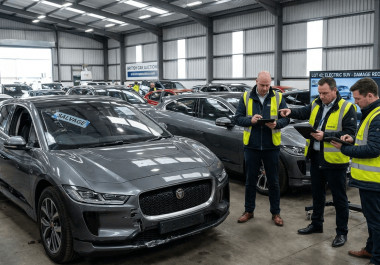
Remote bidding on vehicles never physically inspected generates consistent disaster stories. Photos hide damage. Descriptions omit problems. What appeared to be light damage reveals itself as severe upon collection.
Experienced buyers repeat the same advice relentlessly: never bid serious money without seeing the vehicle in person. The exceptions that worked out fine are vastly outnumbered by the disasters that followed blind bidding.
Ignoring Category Implications
Buyers who do not understand the difference between Cat S and Cat N, or who assume Cat N means minor damage, regularly discover their misunderstanding through expensive experience.
Cat N can involve complex electrical or mechanical damage that costs more than structural repairs. Assuming cosmetic-only damage without verification leads to budget-destroying surprises during repair.
Documentation Assumptions
Assuming V5C documents, keys, and service history will be present because they should be leads to collection day disappointments. Listings that do not explicitly confirm documentation often lack it.
Buyers who fail to verify documentation presence before bidding find themselves with vehicles they cannot register, drive, or easily sell.
Damage Assessment Failures
Visual inspection mistakes convert what appeared to be repairable vehicles into expensive problems.
Underestimating Structural Damage
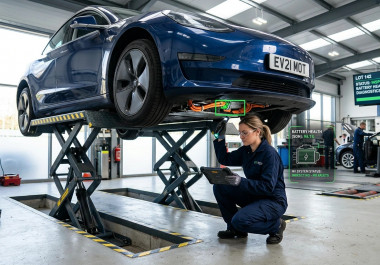
Photos hide the full extent of chassis damage. What looks like a crumpled wing often conceals bent chassis rails, compromised mounting points, or suspension geometry problems that multiply repair costs.
Buyers who assess damage from listing photos alone regularly underestimate severity by factors of two to five. The difference between £2,000 and £10,000 in repairs often hinges on what the photos do not show.
Ignoring Warning Signs
Fresh underseal, misaligned panels, paint overspray, and other signs of previous repairs get dismissed as minor issues. They are actually red flags indicating hidden damage or poor previous repair work.
Experienced buyers have learned to treat these warning signs as automatic deal-breakers unless thorough inspection proves otherwise. Ignoring them leads to discoveries during repair work that destroys profitability.
Flood Damage Denial
Water lines inside vehicles, musty smells, and electrical gremlins are warning signs buyers convince themselves to ignore. The desire to believe a cheap listing is genuine overrides sensible caution.
Flood-damaged vehicles cause ongoing problems for years. Electrical systems fail unpredictably. Corrosion appears in unexpected places. Buyers who ignore flood evidence invariably regret it when problems manifest months after purchase.
Mechanical Assumption Errors
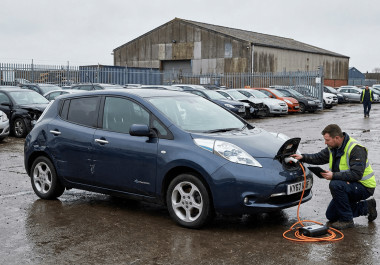
Assuming a non-runner has a simple problem proves expensive when the engine is seized, the gearbox is destroyed, or the timing chain has grenaded the valvetrain. Browsing damaged vehicles for sale requires realistic mechanical assessment rather than hopeful guessing.
Optimistic buyers create mental narratives where every non-runner has a flat battery or disconnected sensor. Reality is rarely that convenient, and expensive mechanical repairs destroy profitability quickly.
Repair Cost Underestimation
Even with accurate damage assessment, repair cost estimation frequently goes wrong.
Labour Expense Surprises
Bodyshop labour rates of £80-120 per hour destroy profit margins when jobs take longer than expected. What seemed like a two-hour repair becomes a full day once panels are removed and hidden damage appears.
Buyers who calculate repair costs based on parts prices alone discover labour expenses consuming all profit and then some. Professional repairs cost significantly more than YouTube videos suggest.
Parts Availability Problems
Discontinued parts, premium prices for German cars, and lengthy import times for specialist components turn quick flips into long waits and expensive sourcing exercises.
Buyers assume parts will be available and affordable. Reality involves backordered components, expensive alternatives, and breaking second vehicles for spares. These complications were not in the original profit calculation.
Specialist Tool Requirements
Modern vehicles require diagnostic equipment, calibration tools, and specialist knowledge that DIY buyers lack. ADAS systems, electronic parking brakes, and hybrid powertrains add layers of complexity older vehicles never had.
Buyers who expect to repair these systems themselves discover they need equipment costing thousands or must pay specialists rates they had not budgeted for.
Timeline Miscalculations
Six-month projects extend to eighteen months when parts delays, unexpected damage, and life interruptions accumulate. Meanwhile, storage costs mount, market conditions change, and tied-up capital prevents other opportunities.
Unrealistic timeline expectations appear in nearly every unprofitable flip story. Buyers underestimate duration by factors of two to three routinely.
Documentation Oversights
Legal and administrative problems destroy otherwise successful projects.
Missing V5C Logbook Problems
Vehicles sold without V5C documents require DVLA re-issue processes taking weeks. Some never get replacement documents due to complications with previous keepers or finance companies.
Buyers who assume documents are easily replaced discover registration is impossible without them, making the vehicle unsellable or driveable only on trade plates.
Insurance Difficulties
Cat S vehicles require engineer reports proving roadworthiness before insurers will cover them. These reports cost hundreds and require professional standards buyers' DIY repairs may not meet.
Some modifications void insurance or require specialist policies at premium rates. Buyers discover these problems when trying to register repaired vehicles, not before purchase.
MOT History Gaps
Missing MOT history reveals patterns of repeated failures, undisclosed damage, or chronic problems that explain why the vehicle was scrapped. Checking auction locations for viewing access helps verify condition before bidding.
Buyers who ignore MOT history gaps discover the expensive reasons previous owners gave up on the vehicle. Problems that defeated multiple previous attempts rarely disappear with new ownership.
Resale Complications
Incomplete service history, undeclared previous damage, and missing documentation reduce resale values significantly. What seemed like minor paperwork issues become major obstacles when selling.
Buyers who neglect documentation during purchase struggle to sell later, accepting lower prices or longer sale periods that destroy profitability.
Sale Phase Problems
Even successful repairs can produce losses if the sale phase goes wrong.
Market Timing Errors
Convertibles sell poorly in November. 4x4s sell poorly in summer. Ignoring seasonal demand patterns means accepting lower prices or waiting months for suitable buyers.
Buyers who complete repairs in off-season periods discover their timing error only when the market proves unwilling to pay expected prices.
Unrealistic Pricing Expectations
Overestimating repair quality or assuming buyers will pay retail prices for salvage-history vehicles leads to listings that sit unsold for months whilst prices gradually drop.
Buyers who invested emotionally in their projects struggle to accept market reality. The vehicle worth £8,000 in their mind sells for £5,500 in reality.
Description Dishonesty
Omitting damage history, exaggerating repair quality, or failing to declare Cat S/N status creates buyer disputes, potential legal problems, and reputation damage that affects future sales.
Short-term gain from dishonest listings produces long-term pain through returned vehicles, negative feedback, and warning posts in buyer communities.
Platform Selection Mistakes
Selling premium salvage rebuilds on Facebook Marketplace attracts time-wasters. Selling budget projects through specialist auctions incurs fees that eliminate profit.
Choosing inappropriate sales venues wastes time and money. Different vehicle categories require different platforms for optimal results.
How to Actually Learn from These Mistakes
Passive exposure to others' mistakes provides limited value. Active learning requires systematic approaches.
Active Forum Participation
Join salvage and auction forums. Read problem threads thoroughly. Ask questions about failures you do not understand. The collective knowledge in these communities represents millions in aggregate learning costs.
Contributors share detailed breakdowns of what went wrong, what they should have done differently, and exactly how much their mistakes cost. This transparency provides education unavailable anywhere else.
Local Group Attendance
Hearing firsthand accounts of mistakes allows follow-up questions that written posts cannot provide. Asking "what would you do differently?" and "what were the warning signs you ignored?" reveals nuances that forum posts miss.
Real conversations provide context and emotional honesty that public posts sometimes lack. The lesson becomes more memorable when someone explains their £4,000 mistake whilst looking genuinely pained.
Mistake Documentation
Keep a personal notes database of others' mistakes. When someone describes a problem, write down the vehicle type, damage pattern, what went wrong, and the lesson learned.
Over time, this database becomes a reference guide. Before bidding on any vehicle, check your notes for similar situations and their outcomes. Pattern recognition builds through systematic documentation.
Apply Lessons Immediately
When evaluating potential bids, actively ask yourself whether any documented mistakes apply. Would this purchase repeat someone else's error? Does this vehicle show warning signs that caught others out?
Immediate application converts abstract lessons into practical protection. The mistake database prevents repeating others' errors when temptation strikes.
Conclusion
The salvage community's openness about failures creates an invaluable resource. Years of expensive lessons are freely accessible to anyone willing to learn from them. Common auction buyer errors, damage assessment failures, repair cost underestimation, and documentation oversights all follow predictable patterns visible in hindsight.
Your advantage is that you can see these patterns before making the mistakes personally. Study the forums, attend the meetups, document the lessons, and apply them systematically. The education is free, but only if you actively seek it and genuinely learn from it.
The most successful salvage buyers are not those who never make mistakes. They are those who make different mistakes than everyone else because they learned from the common ones first. Build that foundation through others' experiences, then develop expertise through your own carefully chosen risks.
Every disaster story is a gift. Treat it as such. Learn the lesson, adjust your approach, and move forward with knowledge that cost someone else dearly but costs you nothing. Register to bid with confidence built on collective wisdom rather than expensive personal experience. For additional guidance, check the help section.