Buying a car at auction can be a brilliant way to secure a great deal and kick-start your business or personal journey. However, one of the key aspects that often gets overlooked in the excitement of bidding is the cost of road tax - a recurring expense that can significantly affect your overall budget. In this in-depth guide, we'll break down everything you need to know about UK road tax for auction cars, explore its implications, and discuss the ongoing vehicle tax obligations that UK owners face. We'll also offer practical tips for navigating these costs without undue stress. Along the way, we'll share real-life experiences, invite you to explore further resources available on RAW2K, and help you plan every step of your auction and ownership journey.
Understanding Road Tax: The Basics for Auction Car Buyers
When purchasing an auction car, it's important to understand every cost component that accompanies ownership. Road tax, officially known as Vehicle Excise Duty (VED), is a compulsory annual fee for legally driving on public roads in the UK. The amount you pay generally depends on factors such as the car's CO₂ emissions, fuel type, and its list price (for newer models). For anyone shopping through online car auctions, becoming familiar with these tax requirements is an essential part of your due diligence.
What Is Road Tax and How Is It Calculated?
Road tax was initially introduced with an environmental focus, meaning vehicles with higher emissions incur a higher tax burden. Here's a quick rundown of the main factors:
CO₂ Emissions and Fuel Type: Vehicles with lower emissions often qualify for reduced rates. Diesel and petrol cars are taxed differently, and hybrids or electric models sometimes enjoy significantly lower or even zero rates.
Vehicle Age and Market Value: The year of registration and the current market value of the vehicle play a significant role. This is particularly important for auction cars, where models might come with histories that differ from showroom spec vehicles.
Annual Adjustments: The UK government periodically updates VED rates to align with environmental targets and economic conditions. This means that staying informed about the latest changes is crucial for understanding your long-term financial commitments.
By understanding these dynamics, you're better prepared to evaluate the true cost of owning an auction-sourced vehicle. Personal anecdotes from bidders reveal that selecting cars with moderate CO₂ emissions can lead to significantly lower annual bills, illustrating a key strategy for managing vehicle tax obligations in the UK.
The Auction Advantage: Balancing Savings with Ongoing Costs
One of the many benefits of buying a car at auction is the potential for significant upfront savings. However, the true cost of ownership is realised when you factor in post-purchase expenses such as road tax, registration fees, and insurance. Even if you win a bid at a low price, overlooking the long-term implications of UK road tax for auction cars might lead to unexpected expenses.
Balancing Auction Savings with Long-Term Expenditure
Upfront Savings vs. Recurring Costs: Imagine securing an impressive bid only to later grapple with high annual tax bills. It's crucial to calculate your anticipated road tax alongside your bid price to ensure the vehicle remains economical over time.
Vehicle Efficiency and Environmental Impact: Sometimes a slightly higher bid on a more efficient model can save money in the long run, thanks to lower road tax liabilities. This aspect is central for many businesses that must plan around both immediate and future tax obligations.
A case in point involves a logistics company that opted for models with more favourable tax bands rather than the top-spec vehicles with high emissions. Over several years, the savings on road tax significantly outweighed the slightly higher purchase price, turning what could have been a recurring burden into a manageable operational cost.
The Logistics and Post-Purchase Journey
After a successful auction bid, the path to full vehicle ownership goes through several critical steps - from registration to securing road tax and insurance. This post-purchase journey is where raw savings from the auction meet the practicalities of long-term vehicle maintenance.
Step 1: Registration and Paperwork
Winning an auction is just the beginning. The first essential step is to register your vehicle. You'll need to transfer ownership with the DVLA and update the vehicle's details. Proper paperwork paves the way for smooth road tax administration and insurance claims.
Verify the V5C Logbook: Always check that the registration document is complete and correct. This document confirms your legal ownership and is crucial for setting up road tax payments.
Set Annual Reminders: Since road tax is an annual commitment, establishing reminders can help avoid any inadvertent lapses.
For those new to the auction process, browsing through vehicle auctions can help you understand the types of vehicles available and their associated costs.
Step 2: Getting Insured
Before your newly purchased auction car hits the road, securing the right insurance is non-negotiable. This not only protects you from unforeseen mishaps but also meets legal requirements. Insurance premiums vary based on vehicle age, value, and intended usage, so it's wise to shop around for the best deal.
Comparing Comprehensive and Third-Party Insurance: Consider whether comprehensive cover or third-party policies better suit your needs.
Discount Opportunities: Providers might offer lower premiums for vehicles with lower mileage or particular safety features.
Step 3: Road Tax Payment and Compliance
Once the registration and insurance are in place, the next step is dealing with road tax - a critical element in fulfilling your vehicle tax obligations. To ensure you're compliant:
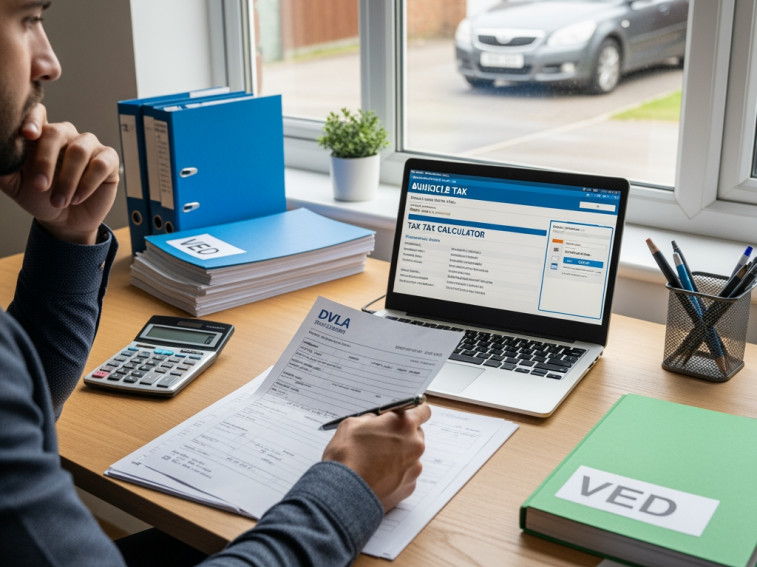
Calculate Your Road Tax Accurately: Before bidding, use online calculators to estimate the tax liability based on the vehicle's details.
Automate Your Payments: Setting up a direct debit for the road tax simplifies management and ensures you meet deadlines every year.
Maintain Accurate Records: Keep both digital and hard copies of receipts and documents. This practice can be invaluable if you ever need to reference past payments or handle disputes.
By addressing each of these steps systematically, you can smoothly transition from auction win to full-fledged, compliant vehicle ownership.
Planning and Budgeting for Auction Car Purchases
A successful auction experience goes beyond the bid price - it requires thoughtful planning and a realistic budget. This approach is particularly relevant when managing UK road tax for auction cars and comprehending your overall ownership costs.
Creating a Detailed Budget
Begin by preparing a comprehensive budget that factors in the initial bid as well as all associated post-purchase costs:
Road Tax Estimates: Factor in the anticipated annual road tax based on your vehicle's specifications.
Insurance and Maintenance Costs: Research insurance premiums and set aside funds for potential maintenance or unexpected repairs.
Contingency Funds: Always budget for unexpected expenses, whether they are spikes in road tax or additional servicing costs.
Evaluating Long-Term Value
Adopting a forward-thinking approach is essential. A vehicle with a lower road tax may ultimately prove more cost-effective over the long term, even if its purchase price is slightly higher. For fleet managers and start-ups alike, the key is to balance the upfront savings with sustainable, long-term costs.
Utilising Online Tools and Resources
Leverage online resources that can help forecast overall running costs, such as road tax calculators and maintenance estimators. These resources are instrumental in painting a realistic picture of the total cost of ownership and guiding your bidding strategy.
Navigating Government Policies and Environmental Considerations
Understanding how UK road tax for auction cars is closely tied to government policies aimed at reducing emissions and promoting eco-friendly vehicles is vital for any vehicle owner.
Policy Impacts on Road Tax
Emission-Based Tax Bands: The UK government's focus on reducing pollution means that vehicles with higher emissions face steeper tax rates. This structure underlines the importance of checking a vehicle's emission figures before bidding.
Incentives for Low-Emission Vehicles: Electric and hybrid auction cars often benefit from significantly lower or even zero road tax - an incentive that is becoming increasingly appealing given tightening environmental regulations. Whether you're exploring bike auctions or traditional cars, understanding emission ratings is crucial.
Regulatory Updates: Staying updated with policy changes ensures you're aware of any new tax bands or incentives. Official government updates and reliable financial news sources are excellent for this purpose.
Anticipating how these policies affect your ongoing vehicle tax obligations can be crucial for long-term budgeting, especially for businesses operating larger fleets.
Future-Proofing Your Vehicle Purchase
Imagine being caught off guard by a sudden spike in road tax due to a policy shift. Forward planning and staying informed are essential to mitigate the risk. For many auction buyers, particularly those managing fleets, incorporating potential regulatory changes into their financial planning can provide a significant strategic advantage.
Making the Most of RAW2K's Resources
RAW2K is more than a platform for auctions - it's your comprehensive resource for navigating the entire vehicle ownership process, from bidding to managing recurring costs like road tax.
How RAW2K Supports Your Journey
A Rich Information Hub: The platform is continuously updated with articles, auction tips, and detailed guides on post-purchase steps, including how to manage your road tax liabilities.
Easy Navigation Across Categories: Whether you're interested in car auctions, motorcycle auctions, or commercial vehicles, the site provides organised access to the inventory along with practical tips regarding post-purchase expenses.
Direct Support When You Need It: Should any questions arise during registration, insurance or road tax setup, the dedicated support team can offer personalised assistance.
Integrating detailed planning with accessible resources helps ensure that every auction purchase is not just a low-price win, but also a sound long-term investment.
Expert Advice: Tips for Managing Post-Purchase Costs
Here are some actionable tips to help you navigate road tax requirements and your overall ownership responsibilities:
Research Extensively: Use online calculators to get a solid estimate of potential road tax costs before bidding. Knowing these figures in advance can guide your bid strategy.
Consult Industry Professionals: Seek advice from insurance brokers and tax professionals who understand the intricacies of auction car purchases. Their insights can help you avoid pitfalls and manage ongoing costs effectively.
Plan for Fluctuations: Build a contingency into your budget for unforeseen expenses, whether it's due to changes in road tax or additional maintenance needs.
Keep Organised Records: Maintain accurate and accessible records of all transactions, receipts, and documents. This not only streamlines future administrative processes but also helps manage your responsibilities more effectively.
Final Thoughts: Embracing the Full Journey Beyond the Auction
The costs associated with road tax can seem daunting at first, but with careful planning, thorough research, and support from experts, you can turn them into manageable, predictable parts of vehicle ownership. Understanding these requirements is critical not just for saving money upfront but also for ensuring you're well-prepared to meet ongoing obligations.
Every auction win is more than just the thrill of a successful bid - it's the beginning of a comprehensive ownership journey, from registration and insurance to road tax payments and routine maintenance. By planning ahead and utilising available resources, you can ensure that each purchase contributes to a sustainable, efficient operation.
Remember these key points as you consider your next auction bid:
-
Understand the full spectrum of costs, including road tax, insurance, and maintenance
-
Use online tools and expert advice to accurately forecast expenses
-
Plan for the long term, balancing upfront savings with recurring charges
-
Stay informed on government policies that impact vehicle taxation
-
Leverage expert resources for guidance at every step of the process
For further insights and regular updates on all aspects of auction car ownership, explore available resources. If you have specific questions about managing road tax or need personalised advice for your auction purchase, don't hesitate to contact us - the expert team is ready to help you navigate every aspect of vehicle ownership.
By integrating thorough planning with consistent education, you can manage both the immediate and long-term costs of owning an auction car, ensuring that your new investment adds true value to your business or personal fleet.
Embrace the auction world wisely - an informed approach to UK road tax for auction cars and an understanding of vehicle tax obligations will help you reap the maximum benefits of every successful bid. Happy bidding, smart planning, and here's to a financially sound journey on the road ahead!