When purchasing a vehicle, the true cost extends far beyond the auction hammer price or the retail window sticker. Every car, van, or motorbike carries a substantial environmental burden tied to its production and ultimate disposal. For buyers interested in sustainable sourcing, understanding the difference between new manufacturing and the recovery processes inherent in vehicle auctions is essential through the auction platform. The vast inventory available provides a clear path toward a circular economy. This comprehensive look at the carbon ledger will help you make a more informed, eco-conscious decision when you choose to utilise existing assets and understand comparing carbon footprints across different approaches.
The Environmental Cost of New Vehicle Production
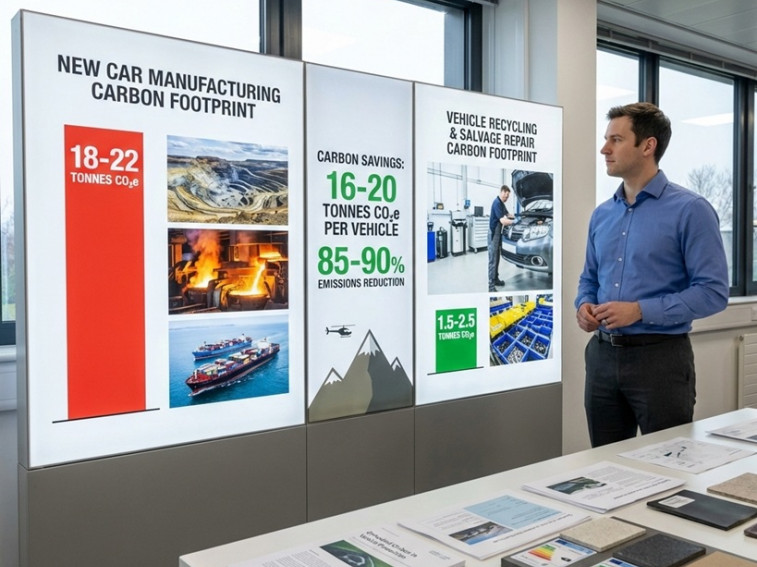
The journey of a brand-new vehicle, before it ever touches a road, is incredibly energy-intensive and resource-heavy. Extracting and processing the raw materials necessary for construction is responsible for the largest portion of a vehicle's lifetime carbon footprint. It often takes years of driving the car to offset the initial carbon debt incurred simply by building it. This unavoidable initial investment highlights why extending a vehicle's life is so vital when comparing carbon footprints of different automotive choices.
The Energy-Intensive Manufacturing Process
The production of metals, plastics, and electronic components requires massive amounts of energy, often derived from fossil fuels. Manufacturing new steel and aluminium involves high-temperature processes like smelting, which are significant contributors to global carbon emissions. These raw materials must then be transported across the world, further increasing the logistics footprint before they even reach the assembly line. This initial phase of production represents the most impactful environmental expenditure in the entire vehicle lifecycle.
For example, the energy required to forge the chassis and engine block far outweighs the energy required for maintenance over the first few years of ownership. This front-loaded impact is what makes the alternative of vehicle recycling and reuse such a powerful sustainability tool. The sheer volume of resources consumed to create millions of new vehicles annually presents a growing challenge to global emissions goals, prompting a serious look at reuse options found in extensive auction listings demonstrating making vs recycling carbon impact differences.
Vehicle Recycling: Reducing Waste and Reclaiming Resources
In contrast to new production, which draws perpetually on finite resources, the process of vehicle recycling leverages materials already above ground. This approach focuses on recovering and reusing components, dramatically lowering the need for virgin materials through browse vehicle auctions. Auctions are central to this model, allowing damaged or non-running cars to be efficiently redistributed for repair or dismantling. The act of purchasing a salvage or used vehicle is an active choice for sustainability.
Salvage and Repair as the First Line of Defence
The most effective form of recycling is simply extending the useful life of an existing product. When you opt to repair and re-register a Category N or Category S car, you are directly circumventing the need for new material production. This is the core difference when weighing the making vs recycling carbon impact. Repairing a salvage vehicle demands far less energy than building a new one from scratch, relying instead on labour and smaller component replacements.
A trade professional sourcing a damaged vehicle for repair is making a profoundly sustainable business choice. They prevent the vehicle from becoming scrap prematurely and provide a reliable asset to their client or customer. Even a Category N vehicle requiring minor panel work or electrical fixes represents a massive carbon saving compared to commissioning new production. Dealers looking for bulk stock can explore listings for both large-scale fleet purchases and smaller, specialised orders.
Maximising Material Recovery (ELVs)
When a vehicle truly reaches its End-of-Life Vehicle (ELV) status, the focus shifts to maximising material recovery. Modern UK and EU regulations mandate high recycling targets for these retired cars and bikes. Around 85-95% of an ELV, by weight, can now be recovered, including all major metals, glass, tyres, and engine fluids. This recovery is vital for reducing reliance on virgin resource extraction.
The process involves first safely draining all hazardous fluids, then removing reusable parts like headlights and electronics, which are sold on. Next, the hulk is shredded, and powerful magnets and separation techniques isolate the ferrous and non-ferrous metals for reprocessing. This scrap metal recovery requires significantly less energy than manufacturing metals from raw ore, providing substantial environmental savings across all vehicle types.
Comparing Carbon Footprints Across the Vehicle Lifecycle
Understanding the comparing carbon footprints between the two extremes, producing a new car versus recycling an old one, is enlightening for any serious buyer. The carbon saving achieved through recycling is often massive, reinforcing the economic and environmental value of vehicles sold at auction. The goal isn't just to save money, but to reduce environmental damage by keeping resources in use for longer.
Quantifying the Difference in Carbon Emissions
Consider this analogy: building a new car is like climbing Mount Everest for the first time, requiring immense, sustained energy and leaving a large footprint. By contrast, recycling the vehicle is like taking a short helicopter trip to the peak using a fraction of the power. Studies consistently show that reprocessing recycled aluminium, for instance, consumes up to 95% less energy than mining and smelting the virgin material.
For every tonne of steel recovered from a scrap vehicle, the equivalent of 1.5 tonnes of carbon dioxide emissions is avoided. The environmental benefit of sourcing a fully repairable salvage vehicle, therefore, represents a tangible and immediate reduction in environmental strain through passenger vehicle catalogue options. This data should inform every buyer's strategy, especially when considering available vehicle stock in any specific regional area.
The Sustainable Choice for Dealers and Drivers
For dealers, incorporating used and salvage vehicles into stock offers a competitive edge and supports a responsible business model. Imagine a regional dealer who focuses on sourcing Category N vehicles. By repairing ten such vehicles a month instead of selling ten new ones, they significantly lower the overall carbon impact of their inventory. This commitment to reuse is a powerful selling point for modern, environmentally aware customers.
Similarly, private buyers acquiring a used car at auction are taking a direct step toward sustainability. They are choosing to utilise an existing, functional asset rather than driving demand for new production. This choice is an easy way for any driver to reduce their personal contribution to the initial manufacturing footprint when comparing carbon footprints of different purchasing options.
Maximising Eco-Efficiency Through Platform Operations
The platform is far more than just a marketplace; it is an essential hub in the UK's circular vehicle economy. By efficiently moving used and damaged vehicles from insurers, police, and private sellers to restorers, dealers, and breakers, the system ensures every car's full material and component value is realised. This efficient circulation is key to maximising environmental benefits.
Sourcing and Documentation Guidance
The clear listing information, including high-quality photographs and detailed condition reports, allows professional dealers to quickly identify which vehicles are best suited for repair and resale, and which are destined for dismantling. This efficiency minimises wasted transport and time through nationwide auction network. The system ensures the maximum number of vehicles are either repaired and returned to the road or responsibly processed for parts and scrap metal.
When you participate in vehicle auctions, you're not just bidding on a car; you're investing in a more sustainable future for the entire transport sector. The environmental benefit of extending a vehicle's life and maximising its material recovery is profound. Choose responsible sourcing and make your next purchase a contribution to the circular economy. Become a member today to browse the diverse options available and understand the true making vs recycling carbon impact of your purchasing decisions.