Buyers often spend hours researching a vehicle before committing to a purchase. They check the MOT history, cross-reference the VIN, run independent background checks, and analyse current pricing trends in the salvage market. Then, they decide to confidently place a bid. However, once the hammer falls and the lot is either won or lost, the digital listing frequently vanishes without a trace. Suddenly, there is no longer a public record of what was promised. There is no proof of the exact condition disclosed or the specific images displayed.
This exact scenario has cost unprepared buyers thousands of pounds in unexpected repair bills and lost deposits. Winning a Category N vehicle only to discover upon collection that the actual damage was significantly worse than remembered is a nightmare scenario for any trade professional. Without the original listing text and imagery, there is absolutely no proof to support a formal claim or dispute. Taking the time to properly document auction listings before bidding is essential evidence for any digital buyer. These captures act as a non-negotiable insurance policy against disputes, a vital reference point for future workshop repairs, and irrefutable proof of what was explicitly promised before any money changed hands.
Why Auction Listings Disappear So Quickly
Most online auction platforms remove or heavily archive listings shortly after the virtual hammer falls. This is not a deceptive tactic; it is a strict practical and technical necessity for the industry. Enterprise-level platforms host thousands of high-resolution images and massive database entries simultaneously. Keeping expired, sold lots live on the main server indefinitely would severely clutter the user experience, drastically slow down site load speeds, and create immense data storage costs.
Furthermore, once a vehicle changes ownership, the new registered keeper may have valid data privacy reasons for not wanting images of their newly acquired, heavily damaged vehicle floating around the public internet. However, once that listing goes offline, your access to crucial, financially impactful information is lost forever. The highly detailed damage description, specific seller notes regarding mechanical faults, and exact wording about the availability of keys or the V5C logbook simply disappear into the platform's back-end archive.
Unlike buying through a traditional dealership where an advert might remain cached on a search engine or visible on a classified site for weeks, accessing online vehicle auctions requires intense personal diligence. You must proactively retain your own robust, offline records of these ephemeral listings to protect your capital investment.
The Legal Standing of Digital Evidence in UK Auctions
Understanding why you must save this data requires a brief understanding of how disputes are handled in the UK motor trade. When purchasing through a trade-to-trade auction platform, the Consumer Rights Act 2015 generally does not apply in the same way it does to a retail consumer buying from a forecourt. Trade buyers are expected to exercise professional diligence, and many vehicles are sold strictly "as seen" or with specific salvage terms applied.
However, "as seen" does not give a seller the legal right to actively misrepresent a vehicle. If a listing explicitly states "Starts and Drives" and the vehicle arrives with a completely seized engine block, that is a fundamental breach of contract based on misrepresentation. The problem arises in proving what the listing originally stated. Auction dispute teams operate on hard evidence, not hearsay. A timestamped, high-resolution screenshot is considered contemporaneous evidence. It proves precisely what data was presented to the buyer at the exact moment they made the financial decision to bid. Without this digital proof, any dispute inherently becomes a "he said, she said" scenario, which the buyer will almost universally lose.
What You Actually Need to Capture
Do not simply take a quick screenshot of the main exterior photo and move on to the next lot. A highly comprehensive, systematic record is required to protect yourself fully against complex discrepancies.
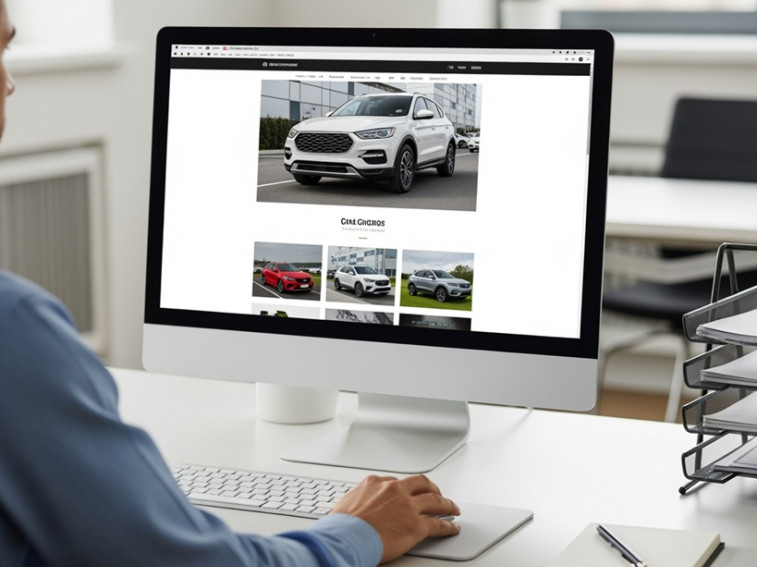
Start by capturing the complete listing overview. This critical section includes the definitive vehicle description, make, exact model variant, registration year, stated mileage, and the visible registration number. You must also capture the VIN (Vehicle Identification Number) if it is displayed anywhere in the text, as this is the ultimate identifier for the asset. Ensure you clearly screenshot the specific lot number and the scheduled auction end time for future cross-referencing.
Next, you must focus entirely on the vehicle inspection photos. Do not just grab the first three glamorous exterior shots. You must meticulously scroll through the entire set and capture every single angle provided by the seller. Missing a critical, blurry photo buried at the very end of a thirty-image gallery that subtly shows severe chassis rust or deployed curtain airbags can be a remarkably expensive mistake.
Dissecting the Damage Description
The damage description is the most valuable piece of text on the entire page. This is exactly where sellers are required to legally disclose known issues, mechanical faults, and the official insurance salvage category (such as Category S or Category N). You must screenshot this entire text section perfectly.
Pay exceptional attention to specific, legally binding phrases like "sold as seen," "non-runner," "engine noise evident," or "unrecorded damage." If a seller explicitly notes "water damage suspected," and you fail to capture that warning, you have no grounds for a refund when the ECU is found to be corroded. Furthermore, you must capture the specific auction terms and conditions listed at the bottom of the page. This fine print dictates the exact collection windows, daily storage fees for late pickup, and the specific regional hub where the vehicle is currently stored.
The Technical Side: How to Screenshot Properly
Quality and methodology matter immensely when digital images might be relied upon as binding evidence later in a financial dispute. Simply taking a blurry photograph of your computer monitor using your smartphone is highly unprofessional and often illegible when zoomed in.
On a desktop computer, you must utilize built-in, high-resolution clipping tools. For Windows users, the Snipping Tool or Snip & Sketch provides perfect clarity. For Mac users, the Command + Shift + 4 shortcut allows for precise area selection. However, auction listings are notoriously long and require significant scrolling. Taking ten separate screenshots of one page is inefficient. Instead, utilize dedicated browser extensions (like GoFullPage for Chrome) that automatically scroll and capture the entire web page as one continuous, seamless image file. This completely eliminates missing gaps and ensures the full context of the listing is preserved in a single document.
Metadata and Time-Stamping Your Evidence
When compiling evidence, metadata is your best friend. A standard screenshot proves what a page looked like, but timestamped metadata proves exactly when it looked like that. If a seller maliciously alters a listing description five minutes before the auction ends to add "gearbox fault," your screenshot taken 24 hours prior proves that the critical information was hidden during the majority of the bidding window.
Ensure your computer's clock is visible in the bottom corner of your full-screen desktop captures. When saving the files, rely on the native creation date generated by your operating system. Never alter the image file in software like Photoshop, as this alters the metadata and can render the image inadmissible if an auction house suspects the evidence has been digitally tampered with to win a dispute.
Documenting the Bidding Process Itself
While capturing the listing is paramount, you must also document your active engagement with the platform. System glitches, server timeouts, and micro-latency dropouts do occur.
If you are utilizing an automated bidding system, take a direct screenshot of your final proxy bid confirmation screen showing your maximum entered amount. If you win the auction, immediately screenshot the final "Hammer Price" confirmation screen before navigating away. On extremely rare occasions, platform synchronization errors have resulted in buyers being billed a different amount than they believed the hammer fell at. Having a timestamped screenshot of the winning confirmation protects your capital from software anomalies.
Organising Your Digital Documentation
Taking hundreds of screenshots is entirely useless if the specific files cannot be located rapidly when a critical problem arises at the collection depot. You must create a ruthless, dedicated folder structure on your primary computer or secure cloud storage drive.
Separate your daily screenshots by the exact lot number or the vehicle registration mark (VRM). Utilizing cloud storage services (like Google Drive or Dropbox) is highly recommended. This ensures that if you are standing in a muddy salvage yard arguing with a forklift driver about missing keys, you can instantly pull up the pristine listing overview on your mobile phone to prove the keys were pictured in the ignition. Add a simple text document to each folder summarizing the essentials: the final bid price, the collection deadline, and any specific mechanical concerns you noted during the live auction.
When Screenshots Become Essential Evidence
This meticulous practice quickly moves from a "good idea" to an "absolute operational necessity" when dealing with high-value condition disputes. If a vehicle is successfully transported to your workshop and the structural damage is significantly worse than originally disclosed, your organized screenshots are your only weapon.
If you frequently engage with car auctions online to source repairable stock, you will eventually encounter a discrepancy. If a listing explicitly stated "light panel damage only" but your ramp inspection reveals a heavily crumpled subframe, you need that original screenshot to prove the massive discrepancy between the advert and reality. The auction house cannot help you without seeing exactly what you saw.
Specific Dispute Scenarios: Missing Parts
One of the most common disputes in the salvage industry involves high-value, easily removable parts that mysteriously vanish between the auction photos being taken and the vehicle being collected.
Catalytic converters, expensive alloy wheels, specialized infotainment screens, and even custom leather seats are occasionally pilfered while vehicles sit in holding yards. If you look to buy salvage cars for their donor parts, you must meticulously capture the vehicle inspection photos showing these specific components intact. If a car arrives on the transporter missing its catalytic converter, a screenshot clearly showing the exhaust system intact in the yard is the definitive proof required to secure a substantial partial refund from the seller.
What Happens If You Don't Document
Imagine successfully winning a Category S performance vehicle that was highly appealing because it was listed as "keys present, starts and runs." You arrange expensive flatbed transport to collect the asset. Upon delivery, the driver hands you zero keys, and the vehicle is completely dead.
You contact the seller, who flatly claims the vehicle was always listed as a non-runner with no keys. You log into the platform to check, but the listing has already been archived. If you fail to document auction listings before bidding, it is completely impossible to prove the misrepresentation once the platform's archive is cleared. You are now stuck with an immobilized vehicle, a massive unexpected bill for a new ECU and key programming, and absolutely no recourse. This devastating scenario happens regularly to amateur buyers who rely entirely on their memory or falsely assume the platform will keep the listing accessible indefinitely.
Beyond Screenshots: Additional Documentation
Building a complete, impenetrable digital record makes a buyer vastly smarter and significantly safer. While capturing images is the baseline, you should always immediately save the raw listing URL. Even if the live page goes down, you can occasionally plug that exact URL into web archive services (like the Wayback Machine) to pull up a cached, historical snapshot of the page for third-party verification.
If you are bidding on a high-value motorcycle auction lot that includes a brief video walkthrough of the engine running, use screen recording software to capture that video playing on your monitor. Audio evidence of a smooth-running engine is incredibly valuable if the bike later arrives with a severe bottom-end knock. Furthermore, download any official PDF reports attached to the listing, such as HPI checks or independent condition reports, as these files are always scrubbed from the server once the lot is finalized.
Making Documentation an Unbreakable Habit
To truly protect your business, you must make this documentation process completely automatic. Create a strict, physical checklist that sits next to your computer. You must refuse to place a final bid until every box on that checklist is ticked.
Always document early in the research process, not at the absolute last minute when the countdown clock is flashing red and adrenaline is high. Rushed screenshots often cut off vital information or turn out blurry. Review your captures for absolute clarity before the auction ends. If you are looking for uk van auctions to expand your delivery fleet, capture the dimensions and payload specs listed in the description, ensuring the text is perfectly legible. Share these key screenshots with your lead mechanic or business partner to get a second opinion on the visible damage before committing capital.
The Five-Minute Documentation Routine
Establishing a repeatable workflow ensures that absolutely nothing is missed during the rush of a busy bidding day. Here is a highly effective, practical workflow utilized by professional traders:
First, open the full listing and immediately capture the listing overview containing the VIN and mileage. Second, expand the image gallery and methodically screenshot every single photo, ensuring no thumbnails are skipped. Third, scroll down and capture the complete, unabridged damage description text. Fourth, capture the specific auction terms and conditions regarding payment deadlines and collection rules. Finally, create a dedicated folder named with the specific Lot Number and drag all files directly into it. This entire process takes less than five minutes but creates a permanent, irrefutable record of the asset.
Real-World Examples: When Documentation Saved the Day
Consider the scenario of a trade buyer who won a heavily discounted, seized commercial transit van. The listing explicitly noted "minor cosmetic scrape to nearside."
Upon collection at the depot, the buyer's transport driver noticed a massive, catastrophic oil leak pouring from a cracked sump—a major mechanical failure that rendered the van entirely undrivable. The seller aggressively rejected the claim, stating the mechanical issue was obviously disclosed in the text. Because the buyer had followed strict protocols, they instantly emailed their organized screenshots to the dispute team. The images clearly proved the description mentioned absolutely no mechanical issues, and the photos showed only the exterior panel damage. The evidence was bulletproof. This allowed the buyer to instantly reject the vehicle and receive a full refund, rather than being forced to accept a rock-bottom scrap your car valuation for a suddenly worthless, misrepresented van.
Your Documentation Is Your Power
The digital vehicle market moves at a blistering pace. Listings appear out of nowhere and disappear within days of the hammer falling. Implementing a rigid screenshot protocol gives you absolute control over the transaction timeline.
It allows you to review the vehicle details at your own measured pace, consult with your team using hard visual evidence, and definitively prove exactly what was stated before your money was transferred. When you utilize a reliable platform like RAW2K, the information is presented transparently, but it is ultimately your professional responsibility to retain that information for your own records. This simple, five-minute habit is the exact dividing line that separates highly profitable, protected professional buyers from vulnerable amateurs who constantly fall victim to easily avoidable condition disputes.
Conclusion
The few minutes spent capturing high-resolution screenshots and organizing digital folders might seem tedious during a busy workday, but the moment hard evidence is required to solve a dispute, that brief effort becomes invaluable. It is the literal difference between being a secure, prepared buyer and one facing a massive financial problem with absolutely zero proof to back them up.
Start building this unbreakable habit today. Make it a hard rule for your business: you must document auction listings before bidding to secure your own digital evidence. If you are ready to apply these protective strategies to real-world opportunities, complete your auction registration to access thousands of daily listings. If you ever encounter confusing terminology within a damage description or require absolute clarification on specific bidding rules, please feel free to contact our support team for immediate assistance before you place a bid.