Winning a vehicle at auction is just the start of the journey; the next vital step is collecting your purchase securely. Whether you've secured a high-mileage used car or a Category S salvage vehicle, proper logistics are essential. Transporting a non-running or damaged car presents unique challenges that require specific preparation and the right equipment. Understanding how to safely transport damaged cars prevents further damage to the vehicle and ensures compliance with UK road laws. This comprehensive guide will walk you through the necessary checks, equipment, and professional services required to complete your transaction confidently.
Mastering Post-Auction Logistics
The collection phase requires as much attention as the bidding strategy itself. Auction sites operate on strict timelines for collection, and the responsibility for moving the vehicle immediately transfers to the buyer upon completion of the sale. This is especially true for vehicles that cannot be driven away, such as those without a current MOT. Rushing this process can lead to costly mistakes, including fines or additional damage during loading.
Essential Pre-Transport Checks for Salvage Vehicles
Before any vehicle, particularly a non-runner, is moved, a careful inspection must identify potential hazards. Even a car with seemingly superficial damage might have detached mechanical components or leaking fluids. Look underneath the vehicle for any dangling parts or shattered plastics that could catch on the ramp or road. It's imperative to minimise the risk of environmental spills or secondary structural failure during loading.
Fluid leaks, even minor ones, need to be contained or addressed before transport can begin. Check the listing description to see if the vehicle is confirmed to be a non-runner or if damage prevents it from being driven. This confirmation dictates the type of recovery vehicle and equipment you must bring to the site. Taking these precautions is the first step in ensuring you can safely transport damaged cars efficiently.
Equipment and Techniques for Secure Recovery
Attempting to recover a non-running vehicle using inadequate equipment is dangerous and risks severe damage. The weight and size of modern vehicles demand specialist tools to ensure a smooth, controlled loading process. Professional dealers typically arrive with pre-checked, industrial-grade equipment, but private buyers must also adhere to high standards. Securing these vehicles correctly is the cornerstone of safe transport.
Choosing the Right Recovery Vehicle
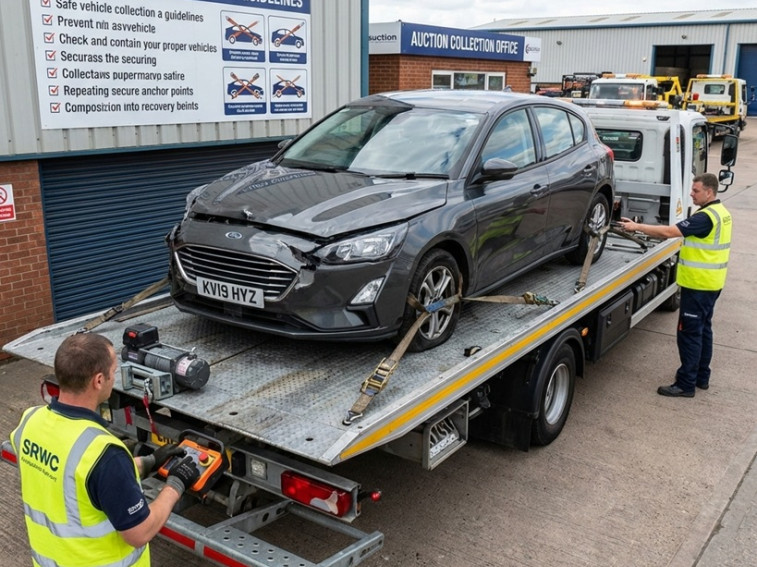
The safest method for transporting any non-runner is a flatbed truck or trailer. This ensures all four wheels are off the ground, eliminating stress on axles, steering components, or partially-damaged transmissions. A standard tow dolly, which only lifts two wheels, is generally unsuitable for vehicles with structural damage or those that require the transmission to be disconnected. Always confirm the payload capacity of your trailer or transporter is significantly higher than the vehicle's gross weight.
For heavier stock, such as large 4x4s, a dedicated commercial recovery service is almost always the prudent choice. These services possess the required winching power and specialised securing gear to handle the bulk and mass when moving non-running vehicles. Remember, while a small van or car may fit on a domestic trailer, safely transporting damaged cars often demands professional-grade assurance.
Winching and Loading Procedures
The most hazardous part of collection is loading, especially if the vehicle must be pulled onto a flatbed. A good electric winch is critical, but its mounting points on the damaged car must be carefully chosen. Never attach the winch cable to steering components, axles, or weak body panels. The tow hook or a robust section of the chassis frame are the only safe connection points.
Once loaded, the vehicle must be secured using robust ratchet straps. These straps must be fastened to structural anchor points on both the vehicle and the truck or trailer bed. Think of securing the car like transporting a heavy, antique wardrobe: you wouldn't trust just one strap. The car needs support from all angles to prevent any movement. Use at least four straps, crossing the straps over the vehicle's body to create opposing forces that resist forward, backward, and lateral movement.
Specific Care for Damaged Vehicle Classifications
The way you handle and secure a car must be tailored to its specific damage classification, such as Category S or Category N. A Cat S car, having suffered structural damage, is far more vulnerable during transport than a Cat N car with only cosmetic defects through platforms like RAW2K. Treating a structurally compromised vehicle like an undamaged one invites further, irreversible distortion.
Handling Structural and Non-Structural Damage
For Category S cars, extra care should be taken to distribute the weight evenly during loading. If a wheel or suspension component is obviously damaged, a specialised lifting strap or wheel sling may be necessary to prevent further bending of the chassis. Even a slight jolt during loading can exacerbate existing structural weaknesses. This is why professional lifting equipment is preferred for these types of cars sourced through salvage vehicle recovery from auction platforms.
Category N cars often have damaged bodywork or electrical issues, meaning they usually roll freely but may have sharp, exposed edges. Ensure any jagged metal is covered or taped to prevent injury to the handlers and damage to the recovery vehicle's interior. When implementing salvage car transport tips, securing requires fine adjustment of straps to avoid crushing lightweight body panels or components. Always check the pressure on the suspension; the straps should be tight enough to prevent bounce, but not so tight that they fully compress the springs.
Safe Transit and Final Offloading
The journey itself requires constant vigilance, especially when transporting damaged or heavy goods. Drive cautiously, avoiding sudden braking or sharp turns that could shift the vehicle's load. Regularly check your mirrors to monitor the load and stop safely every 50 to 100 miles to check the tension of all securing straps. Temperature changes and road vibrations can cause straps to loosen over a long journey.
Transporting a salvage vehicle is much like carrying a heavy, complicated load: the weight needs to be perfectly centred, and every item needs individual padding and restraint. A heavy engine block in a damaged car must not be allowed to shift, as that momentum could complete the destruction of the compromised chassis. Moving non-running vehicles is about controlling momentum, not just preventing movement. For buyers based in specific regions, planning your recovery route carefully from regional auction sites can save significant time.
When you reach your destination, offloading must be managed with the same care as loading. Ensure the ground is level, the ramps are secured, and the winch (if used) operates slowly and consistently. Never attempt to manually push a heavy non-runner down a ramp, as this is extremely hazardous and unpredictable. Following these steps ensures the vehicle arrives in the exact condition it was purchased from the auction site.
Professional Support and Regulatory Compliance
While self-recovery is possible for experienced individuals with the right equipment, many buyers, particularly private individuals, find it simpler and safer to employ professional, insured transport services. These experts are fully equipped to safely transport damaged cars and carry the necessary insurance to protect against damage during transit. The cost of professional recovery is a vital part of your budgeting process.
For administrative purposes, you'll need all the relevant documentation provided by the auction house to hand over to the transport agent. This includes the invoice and any collection authorisation slips. For more advice on vehicle recovery and implementing damaged vehicle recovery methods through non-runner vehicle auction stock, ensure all paperwork is correct to facilitate a smooth handover and prevent delays at the auction site.
Master the complete auction-to-recovery process with confidence. For questions about the auction platform or your account, contact support. Become a bidder today and secure your next salvage vehicle with proper transport planning.