Buying salvage is quite different from picking up a used car from a local dealer. You are dealing with vehicles that have unique histories, ranging from minor accidents to major structural issues. These situations require a much sharper eye than a standard car purchase.
Trade professionals often see buyers walk away with great bargains. However, others make expensive mistakes that could have been avoided with a camera and ten minutes of work. Careful photo documentation changes how you handle salvage purchases. It serves as your personal insurance policy and evidence locker.
When you bid on damaged vehicles online, you cannot check the tyres or the engine in person. This means photographs become your primary set of eyes. Knowing how to take and read these images separates smart buyers from those who learn very expensive lessons.
Why Photographs Matter More Than Written Descriptions
Written auction descriptions usually follow simple templates. They cover the basic legal requirements but rarely tell you the whole story. A listing might simply state "front-end damage." This generic phrase does not tell you if the bumper is just dented or if the chassis is buckled.
Photographs are harder to fake, though they can be misleading if you do not know what to look for. Experience is very helpful in these moments. A buyer once bought a BMW 3 Series that looked like it only had minor cosmetic damage.
The photos showed a damaged wing and door, but the seller angled the shots to hide the truth. The suspension mounting points had actually buckled, making it a structural disaster. This fix turned into a £3,000 nightmare because the buyer relied on the text rather than the hidden details.
Taking Your Own Documentation: The Inspection Checklist
If you can inspect a salvage vehicle in person before bidding, you should always do so. Bring a good smartphone and follow a clear, step-by-step plan. Random snapshots are not enough when you need to calculate repair costs later.
Detailed visual inspection and photo documentation are critical for proving your case if a dispute arises. Start by taking four corner shots from 45-degree angles. These images show the overall stance of the vehicle and highlight any issues with panel gaps. Take these photos from about 15 feet away so the entire car is visible.
Next, take straight-on shots of the front, rear, and both sides. Keep your camera level to avoid distorting the proportions of the vehicle. These shots should be close enough to check panel alignment but far enough to see the whole side of the car. Use this time to crouch down and photograph the underside as well.
Specific areas you must capture include:
-
Damage zones: Take multiple shots from different angles to show depth.
-
Underbody: Focus on chassis rails and suspension mounts.
-
Interior: Photograph the dashboard, warning lights, and any missing parts.
-
Engine bay: Get a wide shot of the whole bay and close-ups of fluid levels.
-
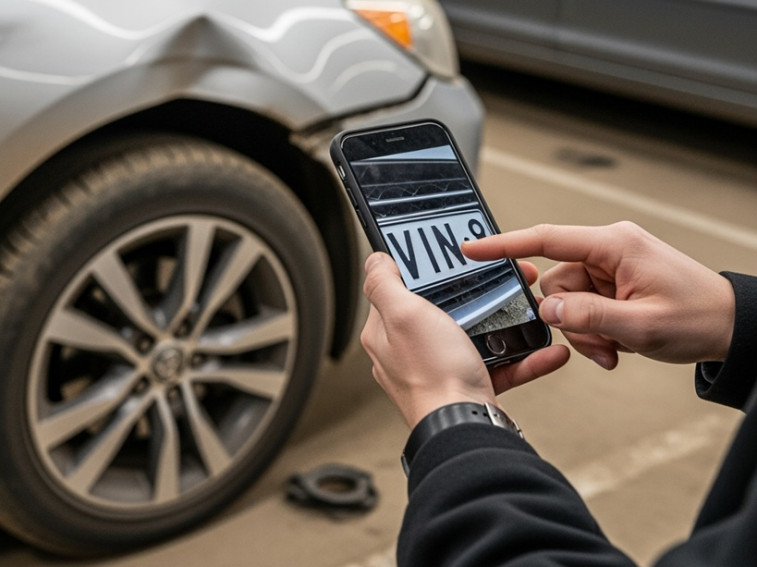
VIN plates: These are essential for verifying the vehicle's identity.
Reading Auction Photographs Like a Professional
When you bid on vehicles without seeing them in person, you must act like a detective. Sellers often use angles that make a car look better than it really is. Your job is to look for the things they are not showing you.
Begin by counting the total number of photos. A vehicle with only six poor-quality images is a major warning sign. Detailed documentation usually shows a seller is being honest. Sparse photos often mean someone is trying to hide a significant flaw.
Lighting and backgrounds should also be consistent. If the photos look like they were taken on different days, the vehicle might have been moved between sites. Check the panel gaps very carefully in every frame. Inconsistent gaps between doors or the bonnet suggest the frame is out of alignment.
Study the reflections in the paint as well. Straight lines from nearby buildings should reflect clearly across the panels. If the reflections look wavy, it is a sign of poor filler work or a cheap panel replacement. These details are vital when assessing the true value of any salvage lot.
Documenting Damage Severity: What To Capture
Not all damage photos are equal in value. When you need to estimate costs or negotiate, you need images that show the full scale of the problem. For body damage, take a wide shot of the whole area first, then move in for the details.
If there is a dent, photograph it from an angle that reveals its true depth. Use a common object like a pen or a coin to show the scale of the damage. A dent that looks small in a flat photo might be several inches deep in reality. This is particularly important when evaluating damaged caravan sales where structural integrity is key.
Mechanical issues require close-up shots of broken parts or fluid leaks. If an engine has visible damage, the surrounding mounts and sensors are likely broken too. Look for rippling or cracked paint on the inner wings or subframes. These signs suggest the metal has been pushed beyond its limits. When browsing salvage cars for sale, use these visual clues to spot vehicles that might cost more to fix than they are worth.
Creating a Photo Timeline: Before, During, and After
Experienced buyers keep taking photos long after the auction ends. Building a clear timeline protects you during the repair process and helps if a problem occurs later. Your pre-purchase photos serve as the starting point and proof of the car's initial state.
Always take collection photos as soon as you pick up the vehicle. This proves the car you received matches the one that was advertised. Sometimes vehicles get damaged or parts go missing while sitting in a yard. Your photos provide the proof you need to resolve these issues.
If the car is too far gone for a project, getting a scrap car valuation is a good next step. During the repair phase, taking before-and-after photos helps you track your progress. These images are great for showing future buyers that the work was done correctly and professionally.
Technical Considerations: Equipment and Settings
You do not need an expensive camera, but you do need to understand how to use your phone effectively. Modern smartphones are excellent for photo documentation if you follow a few basic rules. Good lighting is the most important factor for a clear shot.
Natural daylight is always best for showing true colours and fine details. Avoid taking photos in direct, harsh sunlight because it creates deep shadows that hide damage. If you are inside a garage, try to use multiple light sources. Always focus on the actual damage rather than the background by tapping your screen.
High resolution is vital for seeing small cracks or leaks. Use your camera's best settings and avoid using digital zoom. Moving closer to the car is always better than zooming in, as zooming makes the image blurry. Hold the phone steady to ensure the shots are sharp. A blurry photo is useless when you are trying to prove a point to an insurance company.
Organising and Storing Your Records
Taking hundreds of photos is a waste of time if you cannot find them later. It is a common mistake to lose an important piece of evidence in a folder full of random files. You should create a clear folder system before you even start the project.
Use the vehicle's registration number as the main folder name. Inside, create subfolders for auction shots, collection day, and the repair stages. Name each file clearly so you know what it shows without opening it. For example, use a name like "Rear_Bumper_Damage" instead of a random string of numbers.
Always back up your files in at least two places. Keep a copy on your phone and another in a cloud service or on a computer. If your phone is lost or broken, your evidence goes with it. Having timestamped photos is also very helpful when you browse salvage motorcycle auctions and want to compare different lots over several weeks.
Using Photos to Negotiate and Verify
A good set of records gives you significant leverage. When you talk to sellers or bid on auctions, detailed photos show that you are an expert who knows the car's value. This changes the conversation and helps you avoid overpaying for a project.
If the photos on a listing are not clear enough, always ask for more before you place a bid. A trustworthy seller will be happy to provide extra images to help you decide. If a seller refuses to show more, it is usually a sign that something is wrong.
When you collect the vehicle, compare your photos to the car immediately. If the condition has changed, your timestamped images are your best evidence for a refund. You can also send these photos to mechanics to get a more accurate price for repairs. This avoids the frustration of a price hike once the car arrives at the garage.
Legal and Insurance Implications
This process is not just about avoiding bad sellers. It is about creating a paper trail for insurance and legal needs. Insurers often want to see proof of the damage and the quality of the repairs you have done.
A complete history of before-and-after photos shows that the vehicle was restored to a safe standard. This can make it much easier to get the car insured at a fair price. If a legal dispute ever happens, your photos act as objective evidence that courts take very seriously.
Modern photos also include "metadata" which stores the time and location of the shot. This proves exactly when and where a photo was taken. Anyone looking for a new project can register to bid on salvage and start their own record. You can then use UK salvage auctions to find a vehicle that fits your budget and skills.
Conclusion
Whether you are looking for vans, cars, or bikes on the RAW2K platform, your camera is your most valuable tool. Documenting every step and keeping your records organised ensures you are protected throughout the entire process. A small amount of time spent taking photos can save you thousands of pounds and a lot of stress in the future. Establishing this habit makes you a more confident and successful salvage buyer. If you have any questions about our current listings, please get in touch with our team.