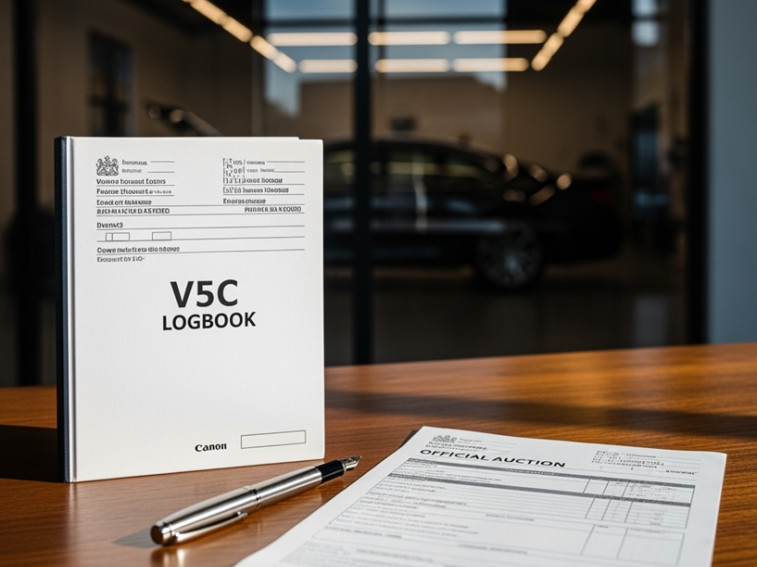
Buying a salvage car offers excellent value, but the paperwork requires careful attention. The V5C logbook sits at the very heart of that process. Getting a replacement document issued after purchasing a damaged vehicle is not as straightforward as buying a regular used motor.
Many buyers get tripped up at this stage. They secure a great deal on a Category S or Category N vehicle at auction, transport it home, and then realise they lack the proper registration document. A vehicle cannot be taxed, easily sold, or legally proven as owned without that essential slip. Obtaining a new V5C for a salvage purchase follows a clear process once the DVLA requirements are understood.
Why Salvage Cars Need Special Handling
When a vehicle is written off by an insurer and classified as salvage, the insurance company immediately notifies the DVLA. The original logbook gets flagged in the system, and the vehicle's status changes to reflect its classification.
This creates a permanent paper trail that protects everyone involved. It prevents unscrupulous sellers from passing off write-offs as pristine vehicles, helps prevent fraud, and ensures the next keeper knows exactly what they are buying. Consequently, a buyer cannot simply sign an existing logbook to transfer ownership.
Most salvage vehicles sold through auctions come without a V5C entirely. The insurer has already returned it to the DVLA. This is perfectly normal, and buyers should not panic if the seller does not possess the document.
Documents Needed Before Applying
Getting organised before starting the application saves weeks of back-and-forth with the DVLA. The following documents are required to secure a replacement registration:
-
An official auction receipt or invoice showing the sale price.
-
A formal bill of sale for private purchases.
-
The vehicle's registration number and chassis (VIN) number.
-
A valid insurance certificate in the new keeper's name.
-
An independent engineer's inspection report, if specifically required.
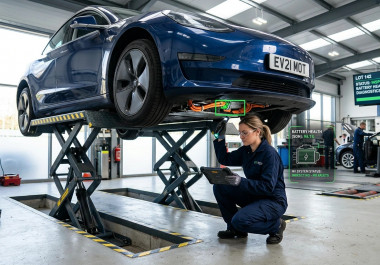
Salvage cars often need fresh MOTs after repair. If a Category S salvage car has been repaired, a professional inspection is likely required before the DVLA issues a new V5C. This inspection confirms that the vehicle is structurally sound.
The Vehicle Identity Check Process
For certain salvage vehicles, the DVLA requires a Vehicle Identity Check (VIC) before issuing fresh registration documents. The VIC scheme exists to prevent stolen vehicles from receiving false identities and to ensure write-offs are properly repaired.
An authorised examiner physically inspects the vehicle. They check that the VIN matches DVLA records and confirm it meets all safety standards. An appointment must be booked at a DVLA-approved testing station, where the examiner will:
-
Verify the chassis and engine numbers.
-
Check for signs of tampering or cloning.
-
Inspect repair quality on any structural damage.
Once the vehicle passes, a VIC certificate is issued. This document is crucial for the new V5C application. Not every salvage vehicle needs a VIC, as Category N cars usually skip this step.
Applying Through the DVLA
Once the paperwork is sorted and inspections are completed, the actual application begins. Salvage vehicles require postal applications. Form V62 must be downloaded from the government website or collected from a Post Office.
This form must be filled out carefully using block capitals. The DVLA systems are strict and frequently reject applications with sloppy handwriting or missing information. Applicants must provide their full name, address, vehicle details, and the exact date they became the keeper.
All supporting documents must be attached. Certified copies work perfectly for most items unless originals are specifically requested. The application fee is currently £25, payable by cheque or postal order. Keeping copies of every submitted document is highly recommended in case items go missing in transit.
Expected Processing Timelines
Patience is essential during this phase. The DVLA estimates four to six weeks for standard V62 applications. However, salvage vehicles sometimes take longer because they trigger additional administrative checks.
Perfect submissions might process in three weeks, while complications can extend timelines to two months. Submitting complete, legible applications with all required supporting documents speeds up the process significantly. While waiting, many buyers monitor car auctions uk platforms to research pricing trends for their repaired vehicles. If eight weeks pass without a response, contacting the DVLA vehicle registration enquiry line is the best course of action.
Productive Steps While Waiting
A vehicle without a logbook does not have to sit idle. There are several productive steps buyers can take during the waiting period:
-
Book an MOT: A vehicle does not need a V5C to get an MOT test. Having a fresh certificate strengthens the DVLA application immensely.
-
Complete Repairs: Buyers should finish any outstanding restoration work so the vehicle is roadworthy when the paperwork arrives.
-
Maintain Insurance: It is crucial to ensure the insurance policy remains valid throughout the entire waiting period.
While it is technically possible to drive the car if it is taxed, insured, and has a valid MOT, taxing a vehicle without a V5C is highly complicated. Most buyers keep the car off the road until the paperwork officially arrives.
Resolving Common Administrative Problems
Even perfect applications can hit snags. Here is how to handle common roadblocks smoothly:
-
Missing Documents: If rejected, the DVLA will explain exactly what is needed. Sending the missing items with a covering letter is the most efficient solution.
-
Mismatched VIN: If the VIN does not match DVLA records, a VIC inspection or a manufacturer letter may be required to verify identity.
-
Outstanding Finance: If finance shows on the record, the DVLA will not issue a replacement registration until it is cleared. Contacting the finance company with proof of the write-off and sale usually resolves this quickly.
Checking the specific salvage category before bidding matters enormously. For instance, a Category B vehicle should never return to the road. Ensuring the correct category is recorded prevents insurmountable administrative roadblocks later.
Actions to Take After Arrival
The arrival of the new logbook requires a final checklist. The entire document must be checked carefully to verify names, addresses, and the salvage category marker. Any mistakes must be reported to the DVLA immediately.
Next steps include:
-
Tax the Vehicle: The vehicle can now be legally taxed online or at a Post Office using the 11-digit reference number.
-
Inform the Insurer: The insurance company should be informed that the replacement registration has arrived, as some insurers request a copy for their records.
-
Store Securely: The document must be stored securely, ideally in a home safe rather than in the vehicle itself.
With the paperwork finalised, many buyers start looking for their next repair project at salvage vehicles auctions.
Buying Through Reputable Platforms
Acquiring stock through established auction houses makes the entire administrative process smoother. Sourcing vehicles through the RAW2K platform provides access to clear salvage category information and official auction receipts that help support DVLA applications.
This contrasts sharply with private sales, which the DVLA scrutinises heavily. Buyers should always look for listings that clearly state the salvage category and any existing damage. Professional platforms help maintain a clean paper trail, simplifying the new V5C application process.
Calculating Additional Costs
Obtaining a logbook for a salvage car involves additional expenses. The V62 application fee is £25. A VIC inspection costs between £50 and £60, while an engineer's report can cost up to £300 depending on complexity.
Factoring in MOT tests and postage, the total potential cost ranges from £235 to £450. Category N vehicles are generally cheaper to process, while Category S motors sit at the upper range. These costs must be factored into the budget when exploring inventory at a motorbike auction in uk or general commercial listings. Despite these fees, salvage vehicles typically sell for significantly less than equivalent undamaged stock, making the process highly worthwhile.
Preparing for Future Resale
Planning ahead pays immediate dividends. A properly documented vehicle with a clean paper trail will sell faster and for more money. Potential buyers want to see the logbook, service history, MOT certificates, and receipts for all repair work.
If a vehicle is ultimately deemed unrepairable, utilizing a scrap my car service provides a legal, documented exit strategy. However, getting the paperwork sorted correctly from day one builds genuine value into the asset. When it is time to sell, the new buyer can apply for the transfer using standard, straightforward procedures.
Conclusion
Obtaining a logbook after buying a salvage car demands attention to detail, but it is highly manageable. Gathering documents, completing the V62 application carefully, and allowing the DVLA time to process everything properly protects both current and future buyers.
While it takes longer than buying a regular used car, salvage vehicles offer incredible value for those willing to work through the paperwork. Online platforms provide transparent access to detailed inventory, listing vehicle categories and basic details to help buyers make informed decisions. To explore current opportunities and manage acquisitions systematically, register for salvage auctions today. Buyers requiring further assistance regarding specific vehicle documentation should get in touch for tailored guidance.