Scrolling through online vehicle platforms often reveals cars at remarkable prices. A modern hatchback might appear at half the usual cost with decent photos and low mileage. Then, the listing reveals a specific detail: it is a Category S write-off.
While casual observers might see a brilliant bargain, experienced mechanics often urge extreme caution. The difference between securing a fantastic deal and acquiring an absolute disaster lies in understanding what write-off certificates actually indicate.
These documents are not scarlet letters marking permanently ruined vehicles. They serve as vital information sources. Understanding what they reveal requires specific market knowledge. Missing the details can result in acquiring a vehicle that is unsafe, uninsurable, or worth far less than the purchase price.
What Certificates Actually Tell Buyers
When an insurer decides a vehicle costs more to repair than its market value, they classify it as a write-off. That decision gets officially recorded, and the vehicle receives a category marker.
The write-off certificates document this exact classification. They explicitly state which category applies, when the decision occurred, and which insurer made the final call.
However, these category marker documents only state the overarching damage category. They do not describe the actual physical damage. A Category S structural classification could mean a slightly bent subframe or a heavily damaged door pillar. Both scenarios receive the exact same label.
The Four Write-Off Categories
The official salvage categories dictate the vehicle's future legal status. They break down as follows:
-
Category A: Complete scrap. These vehicles cannot be repaired. They must be crushed entirely, including all salvageable parts.
-
Category B: The body shell must be crushed, but mechanics can salvage specific internal components. These units never appear as complete vehicles again.
-
Category S: Structural damage that has been repaired or could be repaired. These vehicles can return to the road legally if fixed properly.
-
Category N: Non-structural damage. This could be electrical, cosmetic, or mechanical. This is often the safest write-off category for cautious buyers.
Why Cars Get Written Off
Insurance companies run cold calculations. They compare repair costs against the vehicle's pre-accident value. If repairs hit around 60 to 70 per cent of that value, they write the vehicle off entirely.
This rigid mathematics creates interesting situations. A three-year-old hatchback might need £5,500 in repairs after a side impact. The insurer writes it off as Category S. The structural damage is real, but it remains entirely fixable.
Meanwhile, an older luxury saloon might suffer minor flood damage. The water ruins the electronics and interior carpets, leading to a £6,000 repair quote and a Category N classification. The luxury car might actually be the worse purchase, despite carrying a non-structural label. Cosmetic damage also writes off thousands of vehicles annually when expensive replacement parts exceed the vehicle's book value.
Reading Between the Lines
The certificate states a category, but reading between the lines of write-off certificates reveals what is missing. The document does not describe the actual damage, explain the post-accident repair quality, or assess the vehicle's current condition.
Repair quality varies wildly across the secondary market. Some write-offs get fixed by main dealers using genuine parts and factory procedures. Others receive cheap alternatives and creative shortcuts from back-street garages. The paperwork does not grade the quality of the restoration work.
The certificate also will not disclose secondary damage. A car sitting for months waiting for an insurer's decision might develop dead batteries, dried seals, or deep rust. None of these issues appear on the official category marker documents.
The Financial Reality of Resale Value
Resale value takes an immediate and permanent hit. Category S and N vehicles typically sell for 20 to 40 per cent less than equivalent clean-history cars. A buyer might save thousands upfront, but they will lose a similar amount during future resale.
Insurance coverage also gets complicated. Many mainstream insurers completely refuse to cover Category S vehicles. Others will provide coverage but charge premium rates. Furthermore, finance companies frequently refuse to finance write-offs entirely. Cash buyers avoid this issue, but it severely limits the future buyer pool upon resale.
Essential Checks Before Buying
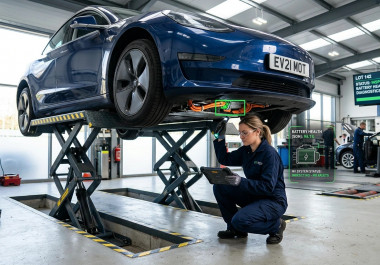
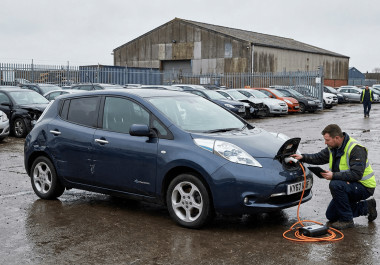
Independent inspection is strictly non-negotiable. A proper examination by a structural repair expert is essential before committing to any purchase.
Inspectors must check frame measurements, weld quality, panel gaps, paint thickness, and suspension geometry. Budgeting £150 to £300 for this service is highly recommended. It saves buyers thousands of pounds if dangerous underlying issues exist.
Documentation matters enormously when browsing car auctions uk platforms. Buyers should demand the original damage report, detailed repair invoices, before-and-after photos, and a fresh MOT immediately following the repairs. If there is no documentation available, walking away is the safest choice.
When Write-Offs Make Sense
Some scenarios strongly favour write-off purchases. Excellent candidates include Category N vehicles with strictly cosmetic damage, theft recoveries with minimal wear, or vehicles intended for long-term, high-mileage commercial use.
Finding the right balance requires patience when searching through salvage vehicles auctions. The ideal acquisition is a Category N vehicle featuring fully documented, insurance-approved repairs. Conversely, undocumented Category S vehicles or cars purchased with the intent of quick resale are generally poor investments.
The Legal Requirements for Sellers
Write-off certificates create strict legal obligations. When selling a write-off, the owner must legally declare its category.
Failing to disclose this information constitutes fraud under consumer protection laws. The buyer has the right to sue for the difference in value. Furthermore, insurance companies must also be notified of the vehicle's history. Concealing this information voids the policy completely.
If a vehicle eventually becomes unrepairable or financially unviable, using a documented scrap my car service provides a legal exit strategy. Repairs never erase the write-off status. The category marker remains on the vehicle's record permanently.
Making the Final Assessment
Evaluating a potential purchase requires objective answers. Buyers must verify the repair quality, confirm the initial discount justifies the ongoing risk, and secure actual insurance quotes rather than assumptions.
The most lucrative deals combine heavy discounts with minimal actual damage, such as theft recoveries. These assessment principles apply across all asset types, including commercial fleets sourced through van auctions. The financial calculations must confirm that the initial purchase discount significantly exceeds the future costs of insurance and diminished resale value.
The Role of Professional Platforms
Sourcing vehicles in the salvage market requires access to transparent information. Professional platforms provide clear category listings and essential vehicle details, helping buyers make highly informed decisions without over-promising on vehicle conditions.
Platforms like RAW2K present available inventory transparently. They help ensure buyers understand exactly which category marker documents apply to each vehicle before committing to a final bid.
Considerations for Alternative Vehicles
The same rigorous checks apply well beyond passenger cars. Whether sourcing commercial logistics vehicles or exploring inventory from a motorbike auction in uk provider, the category markers carry identical legal and safety implications. Thorough independent inspections remain universally mandatory.
Conclusion
Write-off certificates are not horror stories. They are simply official information markers that require careful, objective interpretation. Category S vehicles need thorough structural inspections, while Category N vehicles present lower risks but still require comprehensive documentation.
Done correctly, buying a write-off saves substantial money without compromising safety or daily reliability. To explore transparently listed inventory and find properly documented vehicles, register for salvage auctions today.
Buyers requiring specific guidance regarding vehicle categories or documentation should get in touch for professional support.