Acquiring a salvage vehicle at auction provides significant value opportunities. However, the associated paperwork trail often contains significant gaps. Many buyers pick up a Category S or Category N write-off and complete a restoration only to encounter difficulties when proving they actually own the asset.
Without a robust proof of ownership, a restored motor remains difficult to tax, insure, or sell legally. Establishing and maintaining a clear ownership trail from the moment of purchase is vital. This discipline ensures a project remains a profitable investment rather than an administrative burden.
Understanding Salvage Categories and Their Impact
Before addressing the paperwork, one must understand the damage classifications. The UK uses a system that directly affects how a person can provide legal ownership proof and return a vehicle to the road.
Category S indicates structural damage, such as a bent chassis or compromised frame. Category N covers non-structural issues like electrical faults or cosmetic damage. Both types can return to public use, but the salvage marker remains on the vehicle record permanently. This affects resale value and insurance requirements. Consequently, verifying the category before bidding ensures the buyer understands the specific requirements for that classification.
Essential Documents From the Auction Purchase
The transition from bidder to owner requires specific documentation. The V5C registration document, or logbook, is the primary proof of ownership. This document provides the foundation for all future legal claims regarding the asset.
A bill of sale or an official auction invoice is also required. This record proves the legal transfer of the asset and shows the transaction date and price paid. Any additional service history or previous MOT certificates should also be secured. While not strictly required for ownership, these records add significant credibility to the vehicle's history.
Registering as the New Keeper With the DVLA
Registering with the Driver and Vehicle Licensing Agency (DVLA) is a mandatory legal requirement. If a full V5C is provided, the new keeper completes the relevant section and submits it immediately. The green slip serves as a temporary proof of ownership until the new document arrives.
If no V5C exists, an application using form V62 is necessary. The application typically requires:
-
An official auction invoice or bill of sale.
-
Proof of identity and address.
-
The standard application fee.
Including a covering letter that references the auction house helps the DVLA process the request more efficiently. This provides the necessary context to establish a valid legal ownership proof within the agency's records. Individuals looking for a salvage car for sale uk should begin this process immediately after collection.
Dealing With Outstanding Finance and Title Checks
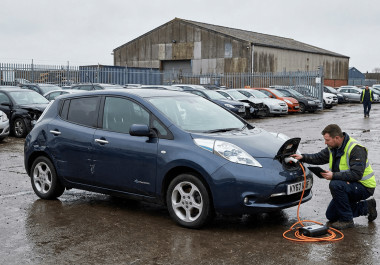
Acquiring a vehicle with hidden debt markers can result in legal repossession by lenders. Finance companies technically own a vehicle until the debt is fully settled, regardless of an auction purchase. Therefore, running a comprehensive history check before beginning repairs is essential.
These reports reveal outstanding finance, stolen vehicle markers, and mileage discrepancies. If finance is discovered, the lender must be contacted immediately to negotiate a settlement. Getting any agreement in writing is vital for securing a clean title. Most reputable platforms perform basic checks, but the ultimate responsibility for verifying the title sits with the buyer.
Proving Repair Work and Safety Compliance
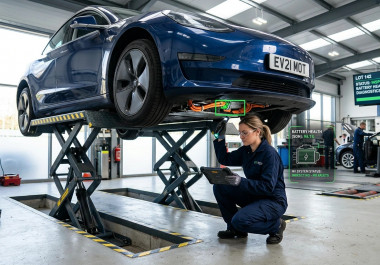
Proving roadworthiness is just as important as demonstrating ownership. Meticulous documentation of the restoration process is required. Effective records include:
-
Dated photographs showing the original damage and repair stages.
-
Chronological receipts for all replacement parts and materials.
-
Professional invoices from qualified mechanics or body shops.
For Category S vehicles, securing an independent engineer report is highly recommended. These reports provide a professional assessment confirming the structural repairs meet safety standards. This documentation serves as a powerful supplement to a proof of ownership file if the vehicle's safety is ever questioned. Sourcing stock through salvage vehicles auctions often provides the starting data needed for these inspections.
Managing the MOT Process for Repaired Vehicles
The MOT test is the primary gateway back to legal road use. Salvage vehicles face increased scrutiny, as testers look carefully at previously damaged structural and safety-critical areas. Category S units receive particular attention regarding chassis alignment and airbag systems.
If a vehicle fails, the issues must be addressed before rebooking. A failed test does not negate the proof of ownership, but it prevents legal road use. Once the vehicle passes, the certificate becomes part of the ownership documentation package, reinforcing the claim that the repairs were completed correctly.
Insurance Documentation and Requirements
Securing insurance for a previously written-off vehicle requires more documentation than a standard policy. Providers will generally request the V5C, MOT certificate, and evidence of the repair work. Being transparent about the salvage category is mandatory to ensure the policy remains valid.
When insuring a project sourced from a van auctions provider, premium rates are typically 10 to 30 per cent higher. Specialist providers often offer better rates for well-documented vehicles. Agreed value policies are often preferred over market value policies. These ensure the owner receives a set amount if the vehicle is written off again, protecting the repair investment.
Maintaining a Clear Paper Trail for Future Sales
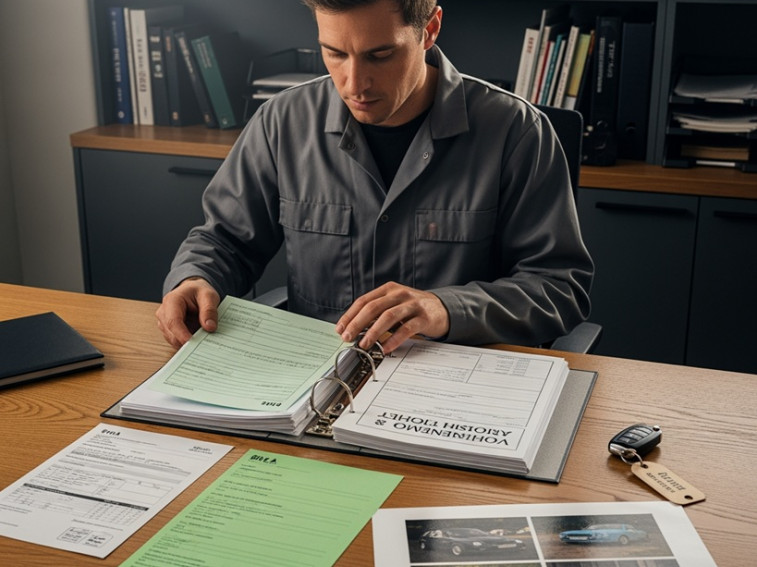
A complete vehicle history file is the strongest tool for any future transaction. This file should contain:
-
The original auction listing and purchase invoice.
-
All DVLA correspondence and V5C history.
-
A full set of parts receipts and repair logs.
-
Previous and current MOT certificates.
Storing digital backups in cloud storage prevents the loss of years of records. Potential buyers are naturally cautious when viewing former write-offs. Presenting a comprehensive history file provides the necessary legal ownership proof and reassures buyers of the vehicle's integrity. This transparency is equally important when dealing with niche assets, such as those from a motorbike auction in uk provider.
Common Pitfalls and How to Avoid Them
Several common mistakes can compromise an ownership claim. Skipping a title check is a false economy that can lead to total financial loss. Furthermore, losing the original purchase invoice makes it difficult to register the vehicle later.
Misrepresented salvage categories when selling is illegal and will be discovered through history checks. Finally, buyers must distinguish between a registered keeper and a legal owner. If a restoration project ultimately proves unviable, obtaining a scrap car valuation provides a documented way to dispose of the asset safely.
VIN Verification and Identity Checks
The Vehicle Identification Number (VIN) serves as a unique fingerprint. Proving ownership requires confirming this code matches physical stampings on the vehicle and official records. The VIN appears on the chassis, engine bay plates, and door frames.
If repairs involve replacing a panel that contains a VIN plate, the transition must be documented with clear photographs. VIN cloning is a concern in the salvage market, where criminals apply legitimate identities to stolen assets. Cross-referencing all physical locations with the V5C is essential for providing legal ownership proof. Sourcing stock through the RAW2K platform provides access to vehicles with verified histories, reducing the risk of identity disputes.
Conclusion
Establishing proof of ownership for a repaired salvage vehicle requires systematic record-keeping and attention to detail. The process begins at the auction and continues through restoration, MOT testing, and insurance. Meticulous documentation protects the financial investment and ensures the vehicle is genuinely roadworthy.
To begin a new project with properly documented stock, register for salvage auctions today. For further assistance regarding ownership documentation or regulatory requirements, please get in touch with the support team for expert guidance.