Buying a salvage car often feels like uncovering hidden value until administrative paperwork complicates the process. One document that causes significant confusion is the engineer report. Some buyers assume every salvage vehicle needs one. Others mistakenly believe the process can be skipped entirely. Both assumptions are incorrect. These misunderstandings frequently cost buyers significant time and money.
Historical data from the motor trade demonstrates that buyers frequently encounter setbacks. These usually stem from misunderstanding when engineer reports are actually required. The rules vary depending on the vehicle's condition. Intended future use also plays a major role. Understanding these requirements before placing a winning bid is essential for a smooth transaction.
What an Engineer Report Actually Is
An engineer report is a formal assessment by a qualified automotive engineer. It confirms a vehicle meets safety and construction standards. This professional stamp of approval explicitly tells the Driver and Vehicle Licensing Agency (DVLA) that a car is roadworthy. Insurers also rely on this document to determine risk.
The report requires far more than a quick visual check. A proper assessment covers several critical areas:
-
Structural integrity and frame alignment.
-
Steering and suspension systems.
-
Braking performance and safety.
-
Compliance with current road regulations.
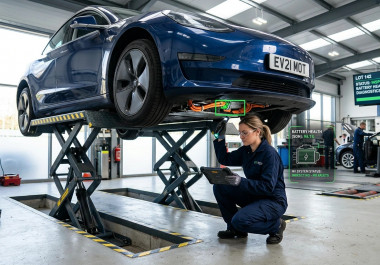
The engineer physically examines the vehicle and tests key components. They produce detailed structural inspection reports. These documents then become part of the car's permanent official record. This comprehensive level of detail differentiates it from a standard MOT test.
When the DVLA Requires Documentation
The DVLA mandates engineer reports in specific circumstances. Understanding these triggers prevents unexpected administrative delays. The requirement immediately kicks in when a vehicle's identity comes into question. It also applies when structural integrity is uncertain.
Mandatory triggers include:
-
Incorrect classification of a salvage car as Category B.
-
Significant modifications from the original vehicle specification.
-
Missing or tampered Vehicle Identification Numbers (VIN).
-
Importing a car that was previously registered abroad.
-
Structural repairs made to the chassis or monocoque.
Category S vehicles represent a complex area. These cars sustained structural damage but remain repairable. Whether they need official engineer reports depends strictly on the extent of the damage. The DVLA does not automatically demand one for every Category S vehicle. However, the agency reserves the right to request a formal inspection if repairs look extensive.
When Insurers Demand Inspections
The DVLA might not require documentation, but insurers operate under completely different rules. Many insurance companies require engineer reports before providing comprehensive cover. This policy protects insurers from fraudulent claims. It also helps keep unsafe vehicles off the public highways.
A salvage car represents an unknown risk to a provider. Insurers need independent confirmation that repairs were executed properly. Securing comprehensive structural inspection reports ensures the vehicle will perform safely at motorway speeds. Consequently, finding a salvage car for sale uk listing with existing paperwork is often highly beneficial.
Checking specific insurer requirements before placing any bids is mandatory for financial protection. Some specialists will offer comprehensive cover only with an official report securely in hand. Timing matters significantly. Some insurers require the report before quoting. Others provide temporary transit cover while the inspection is arranged.
The Actual Inspection Process
Arranging an inspection requires careful planning. Buyers must locate an engineer approved by the Institute of Vehicle Engineers (IVE). A similarly recognised governing body is also acceptable. General mechanics cannot produce reports that the DVLA will officially accept.
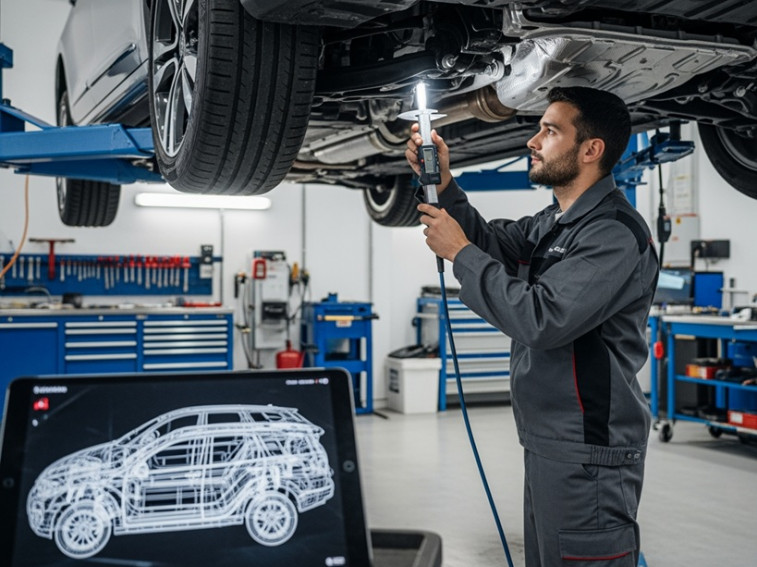
The inspection itself takes several hours. The engineer thoroughly examines the vehicle by checking several systems:
-
Frame and structural components for alignment.
-
Suspension geometry and mounting points.
-
Steering system operation and safety.
-
Brake system performance and compliance.
-
Electrical systems and wheel fitment.
The engineer will request receipts for all replacement parts. If major components were swapped, the engineer must verify the parts are legitimate. They ensure all components are appropriate for the specific vehicle. After the physical inspection, the engineer produces formal structural inspection reports. These documents feature photographs and technical specifications for the DVLA.
Calculating Inspection Costs
Budgeting £300 to £600 for standard engineer reports is realistic. Complex cases often run much higher. The price fluctuates based on location and vehicle type. The required labour also impacts the final invoice. A straightforward Category S saloon car inspection costs less than examining a heavily modified vehicle.
Buyers should also consider inventory at a motorbike auction in uk provider. These smaller vehicles often carry lower inspection fees than large commercial units. Mobile engineers who travel to a location typically charge premium rates. If the first inspection reveals problems, additional repairs are required. Re-inspection fees will then apply. Using unqualified inspectors to save money results in paying twice. The DVLA immediately rejects uncredentialed paperwork.
Alternatives and Workarounds
Buyers can sometimes bypass these strict requirements by targeting specific inventory. Experienced buyers often target Category N vehicles. These rarely require complex paperwork or structural evaluations. Non-structural damage allows for a much faster return to the road.
Monitoring salvage vehicles auctions allows buyers to find suitable projects with clear categorisation. Purchasing pre-repaired vehicles from professional rebuilders is another effective workaround. These cars have cleared all administrative hurdles. They usually come with fresh MOTs and existing reports. This eliminates the need to arrange independent evaluations entirely.
Common Mistakes That Cost Money
Administrative errors frequently drain restoration budgets. Completing repairs before verifying if an inspection is required wastes critical funds. Buyers must contact the DVLA first for clear guidance regarding their specific vehicle. This is especially important when sourcing heavy assets like van auctions stock.
Losing parts receipts is another common mistake. Missing paperwork delays the inspection process significantly. Engineers demand proof that replacement parts are legitimate and safe. Furthermore, timelines are often underestimated. Highly qualified engineers maintain long waiting lists. Inspections often require booking several weeks in advance. Planning the restoration schedule around the engineer's availability is therefore vital.
Evaluating Financial Viability
Securing the correct paperwork depends entirely on the vehicle's category. DVLA requirements and specific insurer policies also dictate the process. Checking all three factors before bidding prevents highly expensive surprises. The financial calculations must be thorough.
A £3,000 bargain might actually cost £3,500 once independent fees are added. Thorough engineer reports protect buyers from dangerous underlying problems. If a restoration project proves financially unviable, obtaining a scrap car valuation provides a documented exit strategy. This allows the owner to dispose of the asset safely and legally.
The Role of Reputable Platforms
Sourcing vehicles in the salvage market requires access to transparent information. Professional platforms provide clear category listings. They also include essential vehicle details. This information helps buyers make highly informed decisions without over-promising on outcomes.
The RAW2K platform presents available inventory clearly. This ensures buyers understand exactly which category applies to each vehicle. Buyers can see the damage markers before committing to a final bid. This transparency reduces the likelihood of unexpected administrative hurdles down the line.
Conclusion
The salvage car market offers genuine opportunities to secure incredible value. Properly understanding administrative rules prevents severe delays. It also avoids unnecessary expenses. Structural inspections remain a crucial piece of the puzzle for heavily damaged vehicles. They provide safety and peace of mind for the new owner.
Accessing transparent inventory through established channels ensures buyers evaluate the correct category details. This preparation is the key to successful vehicle acquisition. To explore current opportunities and manage acquisitions systematically, register for salvage auctions today. Buyers requiring specific guidance regarding vehicle categories or complex inspection requirements should get in touch for professional support.