Salvage vehicles don't always mean total loss. Sometimes, a car that's been written off still holds treasure inside - perfectly good interior components that can save you hundreds or even thousands of pounds. After decades in the motor trade, I've seen countless vehicles sent to the scrapyard with interiors that looked better than some showroom cars.
The trick is knowing what's worth your time and what's just clutter. Not every salvage vehicle interior is a goldmine, but when you find the right one, you're looking at parts that can restore, upgrade, or personalise another vehicle at a fraction of dealer prices. Interior salvage parts deserve serious attention because the economics make sense, and the work is straightforward. Let's talk about what's actually worth pulling from these vehicles and why.
Understanding Salvage Vehicle Categories
Before you start yanking out seats and dashboards, you need to understand what you're dealing with. Category A and B vehicles are structural write-offs - the shells must be crushed. You can't legally buy these complete vehicles, though some Cat B parts can be sold. Category S (formerly Cat C) means structural damage, whilst Category N (formerly Cat D) indicates non-structural damage.
For interior salvage, Cat N vehicles are your sweet spot. These might have been written off for mechanical failure, cosmetic damage, or even theft recovery. The interiors often remain pristine because the damage happened elsewhere. I once pulled a full leather interior from a Cat N BMW that had been written off for a seized engine - the seats still had that new car smell. When sourcing these vehicles, browse online vehicle auctions where you can inspect documentation before committing.
You'll find these vehicles at online vehicle auctions where buyers can inspect photos and documentation before bidding. The key is reading the damage description carefully and checking whether the salvage vehicle interior was affected by whatever caused the write-off.
Premium Seats and Upholstery
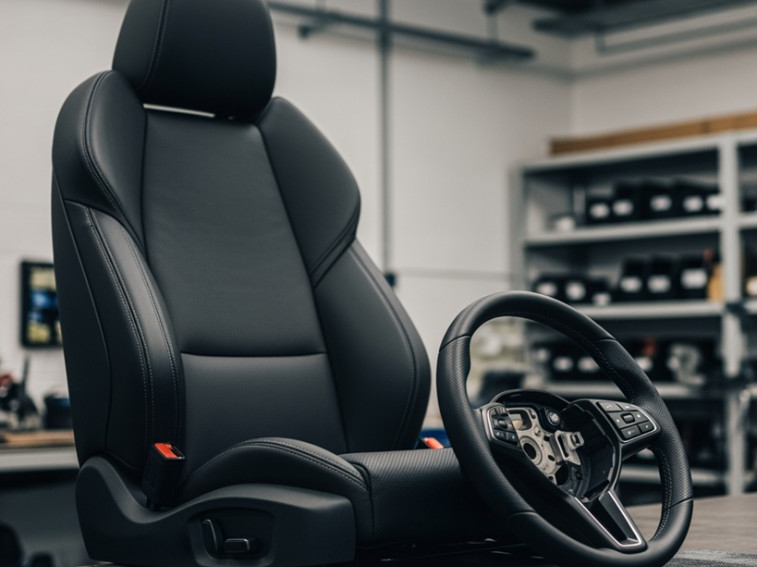
Seats are the crown jewels of salvage interior parts, especially from higher-end vehicles. A set of genuine leather seats from a premium marque can cost £2,000-£4,000 new from a dealer. Pull them from a salvage vehicle and you might pay £200-£500 for the entire car.
Look for seats from performance models or luxury trims. These often feature:
Heated and ventilated functions that work independently of the vehicle Memory foam and multi-adjustable mechanisms that transfer easily Premium leather or Alcantara in excellent condition Integrated airbags (though these require careful handling and proper reinstallation)
Sports seats from hot hatches are particularly valuable. An original Recaro seat from a Ford Focus RS or Honda Civic Type R holds its value because enthusiasts want authenticity. Generic aftermarket seats don't carry the same cachet.
Check the seat rails and mounting points carefully. Water damage shows up as rust on the mechanisms before it's obvious on the upholstery. Sit in them if possible - you'll feel if the foam has collapsed or the lumbar support has failed. Interior parts from salvage vehicles reveal their condition through hands-on inspection.
Dashboard Components and Trim Pieces
Dashboards themselves are tricky to remove without damage, but the components within them are gold. Instrument clusters, particularly digital displays and high-spec gauge packages, can cost £800-£1,500 new. From salvage? A fraction of that.
Modern instrument clusters often need coding to match your vehicle's VIN, but specialists can handle this for £50-£100. It's still cheaper than buying new, especially if you're after a specific feature like a head-up display or performance data logging.
Centre console trim pieces are worth saving because they're surprisingly expensive to replace and ridiculously easy to scratch or crack. Piano black trim, carbon fibre inserts, and brushed aluminium panels from premium vehicles can transform a base model interior. I've seen people pay £300 for a genuine carbon trim piece that cost them £30 as part of a salvage purchase.
Don't overlook the small stuff:
Air vent assemblies (especially the directional ball-type from German cars) Gear shift surrounds and selector trim Door cards with integrated controls Pillar trim in good condition
These pieces break easily in daily use but survive crashes intact. They're also model-specific, making them hard to find when you need them.
Audio and Infotainment Systems
Factory-fitted premium audio systems represent serious value. A Bose, Harman Kardon, or Bang & Olufsen system can cost £2,000-£5,000 as a factory option. The same system from salvage might cost you £200-£400, and it'll integrate perfectly because it's designed for that vehicle.
The challenge with modern infotainment is connectivity. Systems from 2015 onwards often tie into the vehicle's CAN bus network, requiring coding and sometimes additional modules. But for the right vehicle, it's worth the effort. A friend pulled a complete Audi Virtual Cockpit system from a Cat N A4 - the car had been written off for hail damage. He spent £400 on the salvage vehicle, sold the other parts, and fitted the system to his own A4 for essentially nothing.
Amplifiers and subwoofers are straightforward swaps if you match the impedance and power requirements. Factory systems are usually well-integrated and don't suffer the installation quality issues that plague some aftermarket setups.
Navigation head units from salvage vehicles need map updates, but that's a minor cost compared to buying new. Just verify the unit powers up before you commit - water damage kills electronics first.
Steering Wheels and Controls
Multifunction steering wheels with integrated controls are among the easiest and most satisfying upgrades from premium salvage interior components. A base model steering wheel is just a wheel. A premium model steering wheel is a command centre with audio controls, cruise control, voice commands, and paddle shifters.
Leather-wrapped wheels from sport models often feature thicker grips and thumb rests that make a genuine difference in driving feel. Alcantara-trimmed wheels from performance variants look purposeful and resist wear better than standard leather.
The swap usually requires:
The steering wheel itself (obviously) The wiring loom if the original vehicle didn't have the controls Coding to activate the new functions
Some vehicles make this easy - VAG group cars, for instance, often have the wiring already present in lower trims. Others require more work, but the end result is factory-perfect functionality.
Airbag considerations are critical here. Never fit a steering wheel without a working airbag unless you're building a track car where safety equipment is removed intentionally. Airbags are single-use items, so salvage wheels must come from non-deployed vehicles.
Climate Control Panels and HVAC Components
Digital climate control panels from higher trim levels are worth saving because they offer better temperature regulation and often look significantly more sophisticated than manual controls. The swap typically requires the panel itself, sometimes a different HVAC control module, and coding.
I've seen manual climate control cars transformed with digital panels from the same model's premium trim. The functionality improves and the interior instantly looks more upmarket. Cost from salvage? Usually £50-£150. From a dealer? £400-£600.
Heated seat switches and controls are small but valuable. If you're retrofitting heated seats (using the salvage seats we discussed earlier), you'll need the control switches. These are model-specific and surprisingly expensive new.
The HVAC blower motors and heater matrices themselves can be salvaged, but only if you're certain they're in good condition. A failing blower motor is obvious - it makes noise. A leaking heater matrix is harder to spot until you've fitted it and your carpets are soaking in coolant.
Door Cards and Window Mechanisms
Door cards from premium trims often feature better materials, ambient lighting, and upgraded speaker grilles. They're also some of the most commonly damaged interior parts in daily use. People lean on them, kick them, and spill things on them.
Salvage door cards from vehicles with minimal interior damage can be pristine. Look for:
Integrated puddle lights and ambient lighting Soft-touch materials instead of hard plastic Upgraded speaker covers (sometimes hiding better speakers) Memory seat controls on the driver's door
The window regulators and motors are worth saving if they work smoothly. Electric window failures are common and expensive to fix - a new regulator assembly can cost £150-£300. From salvage, you might pay £30-£50.
Central locking actuators hidden inside door cards are another common failure point. If you're already dismantling salvage doors, grab the actuators as spares. They're small, easy to store, and you'll thank yourself when yours fails at the worst possible moment.
Carpets and Sound Deadening
Quality carpet sets in good condition are worth saving, particularly from low-mileage vehicles. Carpets wear out, stain, and develop that lived-in smell that's hard to shift. A fresh set from a salvage vehicle can make an older car feel new again.
Luxury vehicle carpets are often thicker and better quality than standard fitments. They're also colour-matched to the interior, which matters more than you'd think. Mismatched carpet looks cheap.
The sound deadening material under carpets is valuable for restoration projects or noise reduction upgrades. Premium vehicles use more and better quality deadening. It's tedious to remove, but if you're building a project car or restoring a classic, it's worth the effort.
Boot carpets and trim are frequently overlooked but surprisingly expensive to replace. If the salvage vehicle has undamaged boot trim, take it. You never know when you'll need it.
Headliners and Sun Visors
Headliners are difficult to remove without damage, but when you manage it, they're valuable. A sagging headliner is one of those things that makes an otherwise nice car look terrible. New headliner material and professional fitting can cost £300-£500.
A salvage headliner in good condition, carefully removed, can be swapped in an afternoon if you know what you're doing. The trick is supporting the board as you remove it - they bend easily and once creased, they're ruined.
Sun visors with integrated mirrors and lighting are simple swaps that improve daily usability. Illuminated vanity mirrors are standard on premium trims but often missing on base models. Grab them from salvage vehicles - they're usually just plug-and-play.
Sunroof assemblies and glass are technically interior components, though they're complex to remove and fit. Only worth it if you're comfortable with significant mechanical work and have proper sealing materials.
Practical Considerations for Salvage Interior Parts
Not everything that looks good is worth saving. Water damage is the silent killer of interior parts. A vehicle that's been flooded might look acceptable, but the electronics will fail, the foam will smell, and the metal components will rust from the inside out.
Smell test everything. Mould, smoke, and pet odours are nearly impossible to remove completely. If a seat smells musty in the salvage yard, it'll smell musty in your car. No amount of cleaning truly fixes it.
Check the vehicle auctions carefully for damage descriptions. Photos don't always show interior condition clearly, but the written description usually mentions water ingress, interior damage, or smoke odours.
Compatibility matters more than you'd think. Not all parts from the same model will fit your specific vehicle. Trim levels, production dates, and even market variations affect compatibility. Research before you buy, and when possible, bring part numbers to verify fitment.
Storage is another consideration. Interior parts are bulky. Seats especially take up significant space. If you're buying salvage parts ahead of a project, make sure you have somewhere dry to store them. Garages and sheds work fine if they're weatherproof - moisture is the enemy.
Making Salvage Interior Parts Work
The best salvage interior upgrades look factory-fitted because they are factory parts. The work is in the installation, not the parts themselves. Take your time, use proper tools, and don't force anything. If it doesn't fit easily, you're either missing a component or fitting the wrong part.
Document everything as you dismantle. Take photos, label connectors, and bag fixings together. Your future self will thank you when you're staring at a pile of trim clips wondering where each one goes.
Some parts need professional coding or calibration. Airbag systems, instrument clusters, and advanced driver assistance features often require dealer-level diagnostics to function properly. Factor this into your costs - it's still cheaper than new parts, but it's not free.
Finding the Right Salvage Vehicles
The RAW2K platform makes finding suitable salvage vehicles straightforward. You can search by make, model, and damage category to find vehicles with the interior parts you need. The key is patience - the perfect donor vehicle will appear if you watch the listings regularly.
Featured auctions often include higher-end vehicles where interior parts are particularly valuable. A written-off luxury saloon might yield £2,000 worth of interior parts for a £500 purchase price. The economics make sense if you have the space and time to dismantle properly. Explore featured auctions today to find premium interior opportunities.
Consider buying salvage vehicles specifically for parts. If you own a popular model, buying a damaged example of the same car gives you a lifetime supply of interior trim, switches, and components. Sell what you don't need and the vehicle pays for itself.
Conclusion
Salvage vehicle interiors represent genuine value for anyone willing to do the work. The parts are often in excellent condition, they're significantly cheaper than dealer alternatives, and they're already designed to fit your vehicle perfectly. From premium seats and audio systems to simple trim pieces and switches, there's real money to be saved.
The motor trade has always known this - salvage yards and breakers have built businesses on it. Now, with online auctions making salvage vehicles accessible to everyone, you can source these parts yourself. It takes knowledge, patience, and some mechanical ability, but the results speak for themselves.
Whether you're restoring a classic, upgrading a daily driver, or building a project car, salvage interior parts offer quality and value that aftermarket alternatives rarely match. You're getting genuine manufacturer parts, often from higher specifications than your vehicle left the factory with, at a fraction of the cost.
The key is knowing what to look for, understanding compatibility, and being realistic about the work involved. Not every salvage vehicle is a treasure trove, but when you find the right one, you're looking at interior parts that can transform your vehicle whilst keeping hundreds of pounds in your pocket. That's the kind of deal that makes sense in any market.
If you're ready to explore what's available, browse current vehicle auctions and see what catches your eye. The perfect donor vehicle might be waiting, and those leather seats you've been wanting could be yours for less than you'd spend on a weekend away. For guidance on sourcing the right vehicles for your specific interior needs, please contact our expert team.