Salvage cars aren't just twisted metal waiting for the crusher. They're goldmines of perfectly good components, especially when it comes to engine parts. The reality is that many vehicles end up in salvage yards with engines that still have plenty of life left in them, and buyers know it.
After decades in the motor trade, I've watched countless salvage vehicles get stripped down to their bones. The engine bay is always the first place serious buyers look, and for good reason. These components command premium prices because they're expensive to buy new and often identical across multiple vehicle models. A single turbocharger or ECU can fetch hundreds of pounds, making high-demand engine parts far more valuable than most people realise.
Why Engine Parts Hold Their Value
Engine components maintain their worth because they're built to last. Unlike body panels that crumple in accidents or interiors that wear out from daily use, salvage engine components are engineered for durability. They're designed to withstand thousands of hours of operation under extreme temperatures and pressures.
The economics make perfect sense. A replacement engine control unit from a main dealer might cost £800-£1,200. The same part from a salvage vehicle? Often £200-£400, fully tested and guaranteed. That's a saving that appeals to everyone from DIY mechanics to professional garages trying to keep costs down for their customers.
Compatibility across model ranges is another crucial factor. Manufacturers often use the same engines across multiple vehicles for years. That 2.0-litre diesel engine in a Ford Mondeo? It might be identical to the one in a Galaxy, S-MAX, or even certain Land Rover models. This cross-compatibility creates a ready market of potential buyers for salvage engine components.
Turbochargers: The Crown Jewels of Salvage
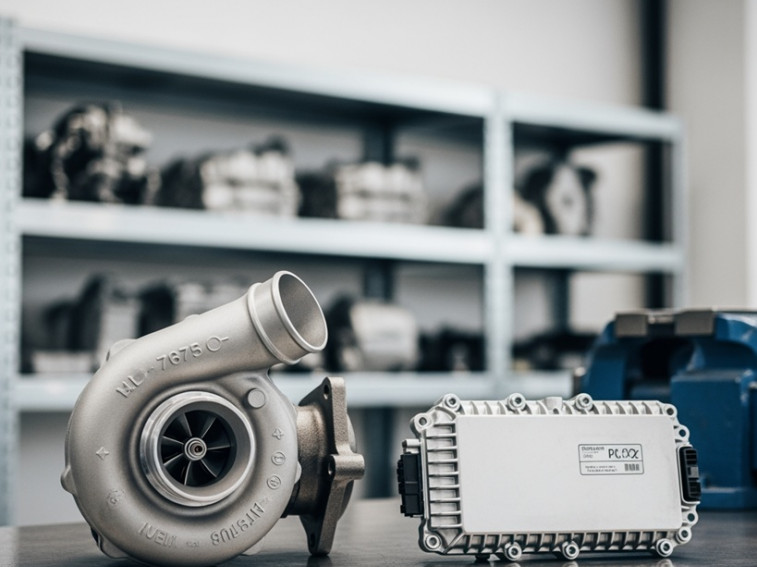
Turbochargers consistently rank among the most sought-after engine components. These precision-engineered units can cost £1,000-£2,500 when purchased new from manufacturers, making salvage alternatives incredibly attractive.
Modern turbos are remarkably robust. They're sealed units that either work or don't, with little middle ground. If a salvage car has been in a front-end collision but the engine bay escaped damage, the turbo is likely in perfect condition. Smart buyers know this.
I remember one particular BMW 335i that came through with front-end damage. The car was a write-off, but that twin-turbo setup? Those units sold within 48 hours for £600 each. The buyer was a specialist tuning shop that knew exactly what they had - parts that would've cost their customer £3,000+ from the dealer.
Turbochargers from brands like Audi, BMW, Mercedes-Benz, and Volkswagen sell fastest. The turbocharged petrol engines in hot hatches and performance saloons create particularly strong demand. Even older units from vehicles like the Nissan 300ZX or Subaru Impreza maintain cult followings. When sourcing components, browse current auction inventory to find vehicles with undamaged engine bays where high-demand engine parts are likely to be in good condition.
Engine Control Units and ECUs
The engine control unit is essentially the brain of modern vehicles. These sophisticated computers manage everything from fuel injection timing to emissions control, and they're expensive. Replacing a failed engine control unit at a main dealer can easily exceed £800 once you factor in programming and labour.
Salvage ECUs sell quickly because they're rarely damaged in accidents. Unless there's been a fire or severe electrical damage, the engine control unit typically survives unscathed. The challenge is matching part numbers and software versions, but buyers who know what they're looking for snap these up.
Certain models command premium prices. Land Rover ECUs, for instance, are notoriously expensive new and prone to failure in older vehicles. A Discovery 3 or Range Rover Sport ECU from a salvage vehicle can sell for £300-£500, representing massive savings over dealer prices.
Programming and coding requirements vary by manufacturer. Some ECUs need specialist software to pair with a different vehicle, while others are more straightforward. This technical barrier actually works in sellers' favour - knowledgeable buyers are willing to pay fair prices for parts they can successfully install.
Fuel Injectors: Small Parts, Big Demand
Fuel injectors might be small, but they're mighty expensive when bought new. A set of four injectors for a common diesel engine can cost £400-£800 from manufacturers. Individual fuel injectors from salvage vehicles? Typically £40-£100 each, depending on the vehicle.
Diesel injectors particularly hold their value. Modern common-rail diesel systems use high-pressure injectors that are precision-engineered and expensive to manufacture. Brands like Bosch and Delphi dominate this market, and their parts maintain strong resale values.
The key is condition. Injectors from low-mileage salvage vehicles or those that failed for reasons unrelated to engine problems (like accident damage) are essentially as good as new. Many buyers are professional mechanics who test these components before installation, so they know what they're buying.
Petrol injectors also sell well, though typically for lower prices. However, direct injection petrol engines use more complex injectors that command higher prices. A set from a BMW N54 engine or Volkswagen TSI unit can fetch £200-£300.
Alternators and Starters: Reliable Sellers
These components fail regularly through normal wear, creating consistent demand. An alternator or starter motor might seem basic compared to turbos or ECUs, but they're essential for vehicle operation. When they fail, vehicles don't start or run properly.
Salvage alternators typically sell for £40-£120, depending on the vehicle and output capacity. High-output alternators from premium brands or vehicles with extensive electrical systems command the highest prices. A 180-amp alternator from a Range Rover or Mercedes S-Class is worth considerably more than a basic 90-amp unit from a small hatchback.
Starters follow similar patterns. Most sell in the £30-£80 range, but certain vehicles - particularly those with start-stop systems or hybrid technology - use more sophisticated starters worth £100-£200. The key is knowing which vehicles use these premium components.
The beauty of these parts is their testability. A simple bench test confirms whether they work, giving buyers confidence. This reduces returns and disputes, making them straightforward items to sell through online auction platforms.
Throttle Bodies and Mass Airflow Sensors
Throttle bodies control airflow into the engine, and electronic versions from modern vehicles are expensive to replace. These units can cost £200-£600 new, making salvage alternatives attractive. They're also relatively robust and survive most accidents unless there's been significant engine bay intrusion.
German manufacturers' throttle bodies are particularly valuable. BMW, Audi, Mercedes-Benz, and Volkswagen units regularly sell for £80-£200 from salvage vehicles. The electronic motors and sensors within these assemblies are complex and costly to manufacture, explaining their high replacement prices.
Mass airflow sensors (MAF sensors) are another consistent seller. These components measure incoming air and are crucial for proper engine management. They're also prone to contamination and failure, creating steady replacement demand.
A MAF sensor from a premium brand vehicle might cost £150-£300 new but sell for £40-£80 from salvage. They're small, easy to ship, and straightforward to install, making them popular with DIY mechanics and professional garages alike.
Camshafts and Timing Components
Performance enthusiasts hunt for specific camshafts from donor vehicles. A set of camshafts from a BMW M3 or Mercedes AMG model can fetch £300-£600 from salvage vehicles. These aren't just replacement parts - they're upgrades for enthusiasts building or modifying engines.
Timing chain kits and variable valve timing components also sell well. While timing chains themselves are relatively inexpensive, the complete assemblies with tensioners, guides, and VVT actuators can be valuable. These components are often replaced preventatively during engine rebuilds, creating demand beyond just failed parts.
Certain engines have known timing chain issues - BMW N47 diesels and various Ford EcoBoost engines, for example. Components from low-mileage examples of these engines sell quickly to owners looking to prevent or fix these common problems.
Cylinder Heads: Heavy but Valuable
Complete cylinder heads are among the heavier engine components, but they're worth the shipping costs. A cylinder head from a modern diesel engine can sell for £300-£800, depending on the vehicle and condition. Heads from performance engines command even higher prices.
The value lies in the complexity. Modern cylinder heads contain valve trains, camshafts, and often direct injection systems or pre-combustion chambers. Reconditioning a damaged head can cost £500-£1,000, so a good salvage head represents significant savings.
Aluminium heads from premium vehicles are particularly sought-after. These lightweight components are expensive to manufacture and even more expensive to repair if cracked or warped. A good used head from a salvage BMW or Mercedes engine can save a customer thousands compared to buying new.
Buyers typically want assurance that heads aren't cracked or warped. Sellers who can provide basic measurements or pressure test results command better prices. This is where exploring vehicle auction listings helps you find low-mileage examples with undamaged engine bays.
Intercoolers and Cooling System Components
Intercoolers from turbocharged engines are surprisingly valuable. These heat exchangers cool compressed air before it enters the engine, improving performance and reliability. Larger intercoolers from performance vehicles can sell for £100-£300.
Front-mounted intercoolers often survive accidents better than you'd expect. Even in front-end collisions, the intercooler might be cosmetically damaged but structurally sound. Many buyers are happy to straighten fins or make minor repairs if the core itself isn't punctured.
Radiators also sell well, though prices vary enormously by vehicle. A basic radiator might fetch £30-£60, while units from premium vehicles with complex cooling systems can reach £150-£300. Aluminium radiators from performance cars maintain particularly strong values.
Water pumps, thermostats, and cooling fans round out this category. While individually these might seem like small-ticket items, they sell consistently. A water pump that costs £120 new but sells for £35 from salvage represents a 70% saving - enough to attract buyers.
Exhaust Manifolds and Catalytic Converters
Exhaust manifolds might not seem exciting, but certain types are valuable. Cast iron manifolds from older vehicles have limited value, but tubular stainless steel manifolds from performance cars can fetch £150-£400. These are expensive to manufacture and popular with enthusiasts.
Catalytic converters deserve special mention. The precious metals they contain - platinum, palladium, and rhodium - make them valuable even when damaged. Prices fluctuate with metal markets, but converters from larger engines or multiple-cat systems can be worth £100-£300 or more.
However, catalytic converter theft has become a serious problem, creating legal and ethical considerations. Legitimate sellers should maintain clear documentation showing the vehicle's provenance. Buyers increasingly want assurance they're purchasing legally obtained parts.
Oil Pumps and Engine Ancillaries
Oil pumps are critical components that rarely fail, but when they do, they can destroy engines. Salvage oil pumps from low-mileage vehicles sell for £40-£120, depending on complexity. High-pressure pumps from modern diesel engines command premium prices.
Engine mounts might seem mundane, but they're consumable items that wear out. Hydraulic engine mounts from premium vehicles can cost £80-£150 each when bought new. Salvage examples sell for £20-£40, making them attractive to DIY mechanics.
Pulleys, tensioners, and auxiliary drive components complete the picture. While individual items might only fetch £10-£30, they sell consistently. A seller breaking a complete engine can generate hundreds of pounds from these smaller components alongside the major parts.
Finding the Right Buyers
Understanding your market is crucial. Performance parts sell best through enthusiast forums and specialist groups. A turbocharger from a Subaru Impreza WRX will find buyers quickly on Subaru-specific forums, while mainstream parts suit general marketplaces.
Professional garages represent another key market. Independent mechanics and repair shops constantly need quality used parts to keep customer costs down. Building relationships with local garages can create steady demand for your salvage components.
Online platforms have revolutionised parts sales. Listing components on dedicated vehicle auction sites reaches buyers nationwide, dramatically expanding your potential market. Clear photos, accurate descriptions, and honest condition assessments build trust and encourage sales.
Maximising Value Through Proper Assessment
Not all salvage parts are equal. A turbocharger from a 150,000-mile vehicle that's been thrashed might not be worth selling, while the same component from a 30,000-mile car that's been in a minor accident is essentially new.
Mileage verification adds credibility and value. If you can document the vehicle's genuine mileage through service records or MOT history, buyers will pay more. This is particularly important for wear items like turbos, fuel injectors, and high-pressure fuel pumps.
Visual inspection catches obvious problems. Oil leaks, physical damage, or corrosion reduce values significantly. Cleaning components before photographing them makes a substantial difference to perceived quality and achievable prices.
The Business Case for Engine Parts
Breaking salvage vehicles for parts rather than scrapping them whole can multiply returns significantly. A Cat N write-off might be worth £500 as scrap metal, but the engine components alone could generate £1,500-£2,500 if sold individually to the right buyers.
The time investment is considerable. Removing, cleaning, testing, photographing, listing, and shipping components requires effort and expertise. However, for those willing to do the work, the margins justify the investment.
Storage and organisation become important as you scale. Engine parts are heavy and often oily, requiring appropriate storage conditions. Proper labelling and inventory management prevent confusion and ensure you can quickly locate parts when buyers enquire.
Legal and Safety Considerations
Selling engine parts carries responsibilities. Components must be accurately described, and any known faults disclosed. Misrepresenting parts damages your reputation and can lead to legal issues if buyers experience problems.
Warranty and returns policies build trust. Even a basic 14-day return policy gives buyers confidence, though testing components before installation should be encouraged. Clear terms and conditions protect both parties and reduce disputes.
Environmental regulations apply to certain components. Engine oil must be properly drained and disposed of through licensed facilities. Coolant, brake fluid, and other fluids require similar care. Responsible handling isn't just legal compliance - it's good practice.
Making It Work
The salvage engine parts market rewards knowledge and effort. Understanding which components hold value, how to assess condition, and where to find buyers transforms salvage vehicles from scrap into profitable ventures.
Start with high-value items like turbochargers, ECUs, and fuel injectors. These components offer the best return on time invested and teach you the market dynamics. As you gain experience, expand into other components and build relationships with repeat buyers.
The key is treating it as a business, not a hobby. Professional photography, detailed descriptions, fair pricing, and excellent customer service separate successful parts sellers from those who struggle. Buyers remember positive experiences and return when they need more components.
Whether you're considering sourcing vehicles for parts or buying them to break, understanding which high-demand engine parts sell quickly and command strong prices is essential. The market is there - it's simply a matter of connecting quality parts with buyers who need them. To source quality salvage vehicles with strong engine components, register with our platform today and gain access to a curated selection of auction listings. When you're ready to discuss your sourcing strategy or need expert guidance on specific components, please contact our specialist team.