A Toyota Prius was once bought at auction for what seemed like a steal. Cat N damage, cosmetic only, or so the listing said.
The bodywork was fine. The petrol engine ran beautifully. But nobody had checked the high-voltage battery pack. Three weeks later came a £2,800 repair bill.
That's when the hard lesson landed: with hybrid salvage vehicles, you're not just buying one system to assess. You're buying two.
Hybrid vehicles have flooded the salvage market over the past five years. Insurance companies write them off at alarming rates. Often for damage that wouldn't total a conventional car.
The reason? Repair complexity. When you're bidding on a hybrid, you need to understand that every assessment, every repair quote, and every risk calculation gets multiplied by two distinct powertrains working in tandem.
Why Hybrid Salvage Vehicles Are Different
A conventional car has one engine, one fuel system, and a relatively straightforward electrical architecture. You can diagnose most issues with a code reader and a decent mechanic.
Hybrids don't work that way.
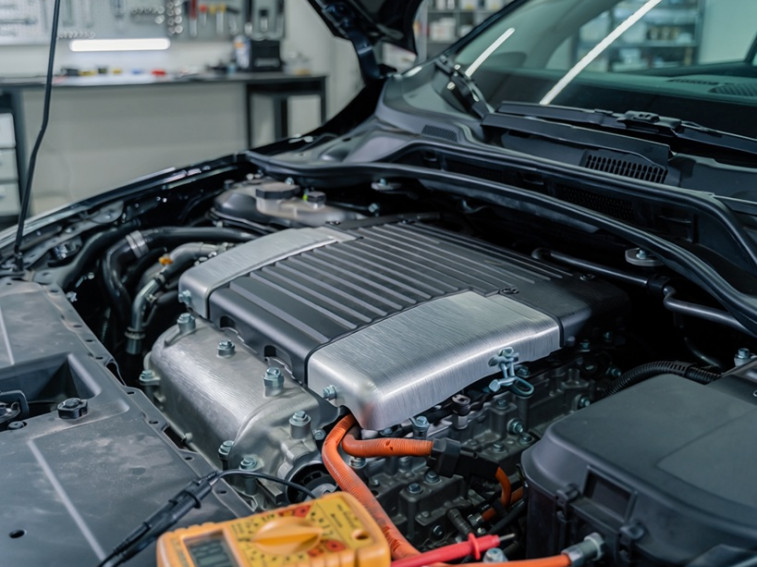
They combine a petrol or diesel engine with one or more electric motors. Add a high-voltage battery pack (usually 200-300 volts). Complex power electronics. A computer system that constantly decides which power source to use.
When one of these systems fails, repair costs escalate rapidly. When both are damaged in an accident, the costs can become astronomical.
Salvage categories for hybrid salvage vehicles follow the same rules as conventional vehicles. Cat N means non-structural damage. Cat S means structural.
Here's the catch: a minor rear-end collision that would be Cat N on a Ford Focus might be Cat S on a Honda Jazz Hybrid. Why? The impact compromises the battery pack mounting points.
Insurance assessors know this. They're quick to write off hybrids rather than risk liability for high-voltage system repairs.
The High-Voltage Battery Pack Problem
The battery pack is the most expensive single component in any hybrid vehicle. Replacement costs range from £1,500 for older Prius models to £6,000+ for newer plug-in hybrids.
These packs are usually mounted under the rear seats or in the boot floor. Exactly where impact damage occurs in rear-end collisions.
Even if the battery cells themselves aren't damaged, the mounting brackets, cooling systems, and high-voltage cabling can be. A Cat N hybrid was once seen where the battery pack was physically fine. But the cooling pump had failed.
This caused the battery management system to shut down the entire hybrid system. The car ran on petrol alone. Terrible fuel economy and constant warning lights resulted.
Before bidding on any hybrid salvage vehicle, you need to know several things.
Battery pack condition: Can it hold a charge? Are there error codes related to individual cell modules?
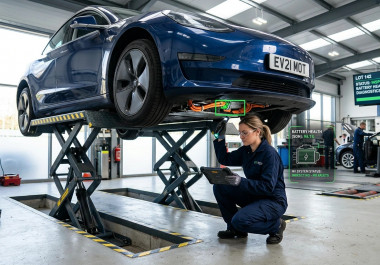
High-voltage cable integrity: These bright orange cables carry 300+ volts. Any damage means replacement. They're not cheap.
Cooling system function: Hybrid batteries overheat without proper cooling. A failed pump or damaged radiator can destroy a perfectly good battery pack within months.
Battery management system errors: Even minor faults can prevent the hybrid system from operating.
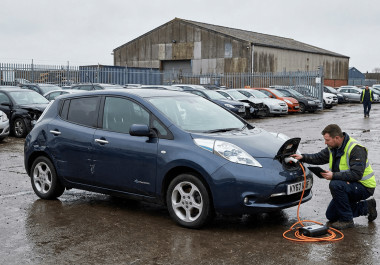
You can't assess these things from auction photos. You need diagnostic access or a very detailed condition report. If the listing doesn't mention dual powertrain systems testing, assume it hasn't been done.
Dual System Collision Damage
When a hybrid vehicle is in an accident, you're assessing damage to two complete powertrains. The petrol engine might be perfect. But if the electric motor or inverter is damaged, you're looking at £2,000-£4,000 in parts alone.
The reverse is also true.
A Lexus CT200h (basically a posh Prius) once came through with front-end damage. The petrol engine was untouched. But the electric motor sits between the engine and transmission in Toyota's Hybrid Synergy Drive system.
It had taken a direct hit from a pushed-back radiator support. The motor casing was cracked. Coolant had entered the stator windings. Total loss.
For front-end collisions, check these areas:
-
Radiator and cooling system damage (hybrids often have two radiators)
-
Electric motor housing integrity
-
Inverter and power electronics (usually mounted near the engine)
-
High-voltage cables running from battery pack to front of vehicle
For rear-end collisions, focus on:
-
Battery pack mounting and structural integrity
-
Rear electric motor (if the vehicle is four-wheel drive hybrid)
-
Fuel tank position (many hybrids have smaller tanks mounted near the battery)
-
Exhaust system damage (hybrid exhausts are often complex due to emissions equipment)
Browse hybrid vehicle auctions to see how different collision patterns affect hybrid values compared to conventional equivalents.
The Electrical System Nightmare
Conventional cars have a 12-volt electrical system. Straightforward. Hybrids have a 12-volt system and a high-voltage system. They interact in ways that can make diagnostics a nightmare.
The 12-volt battery in a hybrid isn't charged by an alternator. It's charged by a DC-DC converter that steps down voltage from the high-voltage battery pack.
If the high-voltage system has a fault, the 12-volt system won't charge properly. You might think you've got a simple flat battery. But the real problem is a failed inverter or a damaged high-voltage cable.
Rookie buyers at auction have test-driven a hybrid. Seen all the lights and systems working. Assumed everything's fine.
But if the high-voltage battery is low, the car will run on petrol only. You won't know there's a problem until you try to charge the battery or the system tries to engage the electric motor.
By then, you own it.
Warning lights on hybrids are more critical than on conventional vehicles. A "hybrid system malfunction" warning can mean anything from a £50 sensor to a £5,000 inverter replacement.
If the listing mentions warning lights but doesn't specify what they are, walk away. Or bid accordingly.
Repair Shop Limitations
Here's something most buyers don't consider: not every garage can work on hybrid vehicles. High-voltage systems require specific training, tools, and safety procedures.
Many independent mechanics won't touch them. Those that do will charge a premium.
Main dealer service departments can handle hybrids. But their hourly rates are £100-£150+. If you're buying a salvage hybrid as a project car or to flip, factor in these labour costs.
What looks like a £1,000 repair on a conventional car might be £2,500 on a hybrid. Simply because you need a specialist.
Some repairs legally require high-voltage certification. You can't just disconnect a 300-volt battery pack without proper training and insulated tools.
If you're planning to do the work yourself, be honest about your skill level. Hybrid systems can kill you if you don't know what you're doing.
For guidance on finding qualified hybrid technicians or understanding repair requirements, consult auction platform resources before committing to a purchase.
Parts Availability and Cost
Hybrid-specific components are expensive and often harder to source than conventional parts. An electric motor for a Prius might be available from a breaker. But an inverter for a plug-in hybrid Mitsubishi Outlander? You're probably buying new from the dealer.
Some parts are serialised and coded to the vehicle. You can't just bolt on a used inverter from another car. It needs to be programmed to match your vehicle's VIN and battery pack.
This requires dealer-level diagnostic equipment and software access. Which adds cost and complexity.
When viewing vehicle auctions, check whether hybrid-specific parts are available as salvage. If the model is rare or relatively new, you might struggle to find affordable replacement components.
A £3,000 auction bargain becomes a £10,000 money pit very quickly.
Review current auction inventory to gauge which hybrid models appear frequently enough to support a healthy parts supply from other salvage vehicles.
Which Hybrid Salvage Vehicles Are Worth Buying
Not all hybrids are created equal when it comes to salvage potential. Some models have proven reliable systems, good parts availability, and strong resale values even with salvage history.
Others are nightmares.
Good bets:
Toyota Prius (2009-2015): Massive parts availability. Well-understood Toyota Hybrid Synergy Drive systems. Strong demand. Battery packs are available used for £800-£1,500.
Honda Jazz Hybrid: Simple IMA system. Relatively cheap to repair. Good city car market.
Lexus CT200h: Same drivetrain as Prius but better build quality. Appeals to buyers who want a premium feel.
Toyota Auris Hybrid: Common fleet car. Good parts supply. Reliable.
Approach with caution:
Plug-in hybrids (PHEVs): Larger, more expensive battery packs. Complex charging systems. Higher repair costs.
Performance hybrids: BMW i8, Porsche Panamera Hybrid, etc. Exotic parts. Specialist labour. Tiny market for salvage examples.
First-generation hybrids: Original Honda Insight, first-gen Prius. Parts are scarce. Battery packs are degraded. Resale values are low.
Check salvage car opportunities to see which hybrid models appear frequently. Higher volume means better parts availability and more market knowledge.
Assessing Battery Health Without Diagnostics
If you can't get proper diagnostic access before bidding, there are still clues to battery pack condition.
Age and mileage: Hybrid batteries degrade over time and charge cycles. A 2010 Prius with 150,000 miles will have reduced battery capacity even if it's working fine.
Service history: Regular hybrid system checks indicate the previous owner cared about maintenance.
How the car drives: If the electric motor engages smoothly and the car can run in EV mode (if equipped), the battery is likely in reasonable condition.
Warning lights: Any hybrid system warnings are red flags. Don't assume they're minor.
Some auction listings include battery health reports. These show the state of charge and capacity compared to when the battery was new.
Anything above 70% is generally acceptable. Below 60% means reduced performance and a battery that might need replacement soon.
The Cat N vs Cat S Decision
With conventional cars, Cat N vehicles are worth considering if the price is right. Structural damage (Cat S) is trickier. But still manageable for the right buyer.
With hybrids, the calculation changes.
A Cat N hybrid with cosmetic damage and a verified working hybrid system? Absolutely. A Cat S hybrid with rear-end damage near the battery pack? You'd better know exactly what you're doing.
The structural repairs are only half the job.
Cat S hybrids have been seen where the repairer fixed the chassis rails perfectly but ignored damage to the battery pack mounting points. The pack was secure enough to pass inspection. But the cooling system was compromised.
Six months later, the battery overheated and failed. The buyer had no recourse.
If you're considering a Cat S hybrid, get a pre-purchase inspection from someone who understands hybrid systems. It'll cost you £100-£200. But it might save you thousands.
Insurance and Resale Reality
Even after you've repaired a salvage hybrid, you need to consider the market. Buyers are already nervous about used hybrids due to battery replacement costs.
Add a salvage marker, and your potential customer base shrinks dramatically.
Insurance can also be tricky. Some insurers won't cover Cat S hybrids at all. Others will. But at significantly higher premiums.
If you're buying to flip, make sure there's actually a market for what you're selling.
That said, trade buyers understand the value proposition. Small dealers, mechanics, and auction professionals recognise a well-repaired hybrid with documented work. You just need to price it right and be transparent about its history.
Understanding the trade buyer market through regular auction participation helps calibrate realistic pricing expectations for salvage hybrid vehicles.
Conclusion
Buying a hybrid salvage vehicle isn't like buying a conventional salvage car. You're not just assessing crash damage and mechanical condition.
You're evaluating two complete powertrains. A high-voltage electrical system. Components that cost thousands to replace.
But here's the thing: if you do your homework, understand the specific risks, and bid with your eyes open, there are genuine bargains to be had.
Insurance companies write off hybrids for damage that's entirely repairable. The market is still catching up to the technology. Informed buyers who solve this problem gain a significant competitive advantage.
Just remember the Prius lesson: check everything. Assume nothing. Never forget that with a hybrid, you're buying two systems that both need to work perfectly.
Miss one, and your bargain becomes an expensive education.
RAW2K lists hundreds of hybrid vehicles monthly alongside conventional salvage stock. Understanding dual powertrain systems helps identify which hybrids represent value and which ones are best left for someone else to learn from.
For questions about specific hybrid models or condition reports, get in touch with the support team. To start exploring hybrid opportunities, register for auction access and begin evaluating available vehicles.