The decision to buy a vehicle through a salvage car auction is often driven by the desire for value and a manageable project. Whether a professional dealer looking to bolster stock or a private individual seeking affordable transport, the platform offers a wealth of opportunity. Success in this environment hinges on preparation, valuation skills, and strategic bidding. Mastering the digital environment involves learning essential steps that transform inexperience into informed expertise for those taking part in beginner car auctions.
Laying the Groundwork for Bidding Success
Every successful auction purchase begins long before the listing closes with robust account setup and meticulous planning. Think of this initial phase as setting the coordinates for a long journey; a bidder needs to know exactly where they are going before they start the engine. Proper foundation work is a requirement for anyone serious about winning lots at the right price.
Registering and Readying Your Account
To access the thousands of salvage car and used vehicle listings available, bidders must first complete registration. This process ensures all participants meet the necessary legal and payment security requirements of the platform. By ensuring details are up-to-date, logistical bottlenecks that can cost a vehicle after a successful bid are avoided. If any questions arise regarding verification or account details, contact the support team for assistance.
Mastering the Auction Format
The platform operates entirely through online vehicle auctions, offering convenient access 24/7 across the UK. It is crucial to familiarise oneself with the system, including how bids are placed and how the automatic time extension feature works. For those taking part in beginner car auctions, understanding the proxy bidding system on the RAW2K site is perhaps the most valuable tool. This knowledge is the first of many crucial auction prep tips that will help buyers compete effectively with seasoned professionals.
The Absolute Necessity of Vehicle Assessment
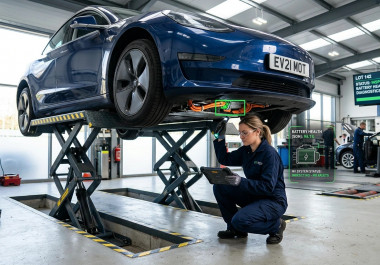
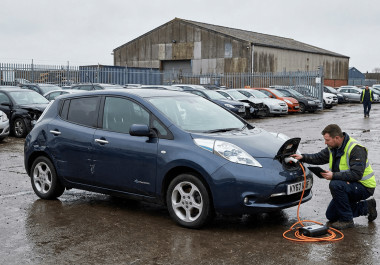
Unlike buying from a dealership, salvage auctions require buyers to take full responsibility for assessing a vehicle’s condition and repair needs. The purchase price is often balanced by the necessary investment in repairs, making accurate condition assessment vital to financial viability. Skipping this critical, investigative stage is not an option.
Understanding the Spectrum of Vehicle Damage
Every buyer must be fluent in the language of vehicle damage categories, particularly Category S and Category N. Category S cars have sustained structural damage, meaning the chassis or frame was compromised, necessitating specialist repair and a full inspection before road use. These vehicles require the highest level of expertise and capital. Conversely, Category N cars suffered non-structural damage, such as body panels or electrical faults, which is generally more straightforward to fix. Repair expertise and budget should dictate which category of salvage vehicle is targeted.
Conducting the Remote Inspection
Since physical inspection is often impractical, every listing provides a detailed description, history, and a high-resolution photo gallery to facilitate a pre-auction inspection. Buyers must examine every image, looking beyond the obvious damage to check tyre condition, interior wear, and any missing components. This process is like checking a complicated second-hand machine: every detail must be zoomed in on to uncover hidden costs. For those targeting larger stock, such as vans or trucks, the specifics of dedicated commercial vehicle auctions must also be carefully reviewed.
Strategic Budgeting: Know Your Limit
An error a novice can make is allowing emotion to dictate the final bid price. A successful strategy is built around a non-negotiable maximum bid limit that is calculated before the auction opens. This discipline ensures every win is a profitable or cost-effective acquisition.
The True Cost Formula
To determine a maximum bid, first establish the vehicle’s market value in excellent condition. This figure is the financial benchmark. Next, meticulously estimate the total cost of parts, labour, and external repair services required to bring the salvage car back to roadworthy condition. Subtract these repair costs, plus the non-refundable auction fees and the desired profit (if reselling), from the market value. The remainder is the highest bid that can safely be placed.
Accounting for Fees and Logistics
Ancillary costs associated with vehicle auctions must never be overlooked, including the buyer’s premium, VAT, and administrative charges. Furthermore, the extensive network of regional auction locations provided through the platform allows buyers to strategically bid on stock that is geographically close to them. This local availability is a major advantage, as it directly reduces recovery and transport fees. By selecting vehicles from nearby sites, buyers can significantly lower their transport overheads, ensuring that the savings found at auction remain as high as possible. Logistics should be considered during the budgeting phase to maintain a high margin on every purchase.
Mastering the Bid and Avoiding Pitfalls
Once preparation is complete, the focus shifts to execution. Bidding strategically ensures the system is leveraged to the buyer's advantage without getting caught in bidding wars. The following auction prep tips are essential for a smooth entry into the auction environment.
Leveraging the Proxy Bid System
The proxy bidding system is designed to help buyers participate efficiently, particularly those new to beginner car auctions. When a maximum bid is entered, the system automatically bids on the buyer's behalf using the smallest increment necessary to maintain the lead, only up to the set ceiling. This feature protects the budget while ensuring the minimum amount required to secure the vehicle is paid. It removes the stress of continuously monitoring the auction and frees up time.
Maintaining Emotional Discipline
The final moments of an auction are intense, and it's easy to get swept up in the desire to win, pushing a bidder past their financial ceiling. Maintaining discipline is vital; for instance, if a £7,000 maximum bid is set to secure a £1,500 margin after repairs, bidding at £7,100 means sacrificing that profit. The non-negotiable maximum bid limit established in the budgeting phase must be strictly adhered to. Remaining disciplined is the best way to ensure profitability.
Final Steps: Payment and Collection
A successful bid transitions immediately into the payment and collection phase, requiring prompt action. The established processes are designed to be secure, facilitating a fast turnover of vehicles for all participants.
Timely and Secure Transactions
Following a successful bid, prompt notification is sent with the total amount due, including all fees. Secure payments must be processed within the short window specified in the auction terms, usually within two business days. It is critical that funds are accessible and ready to be transferred to avoid the risk of losing the vehicle or incurring late payment penalties.
Arranging Efficient Vehicle Retrieval
Purchased vehicles are held at secure, designated auction sites across the UK. Retrieval must be arranged promptly, especially if a non-runner was purchased that requires professional recovery. Whether bidding on motorbikes or used vehicle listings, coordinating collection with the specific site's operating hours is essential. Logistics should be planned in advance, ensuring the necessary documentation and transport are ready for a fast and efficient pick-up from the auction location.
Conclusion
Success in salvage car auctions is not about guesswork; it is about preparation, strategy, and discipline. By mastering the art of the digital inspection and setting a firm financial ceiling, buyers become well-equipped to find value and secure great vehicles. If there are questions regarding a specific listing, feel free to get in touch with the support team for guidance. Explore our wide range of current vehicle auctions to find your next project. Simply register to bid to begin.