For professional dealers, vehicle repairers, and private enthusiasts managing workshops, embracing sustainability isn't just ethical, it's economically sound. Efficiency in your garage space directly translates to lower operational costs, boosting the profitability of the cars and vans you acquire through auctions. Making changes doesn't require a complete overhaul; small, systematic adjustments can significantly reduce your environmental footprint. By thinking green, you can enhance your business reputation and build a more resilient operation, whether you're handling a single project or hundreds of salvage vehicles sourced from the platform.
Reducing Waste and Managing Hazardous Materials
The nature of vehicle repair means dealing with fluids, components, and materials that cannot simply be placed in general waste bins. Proper management of these materials is legally mandated and is the cornerstone of any eco-conscious operation. Dealers running large commercial premises must establish clear protocols for separating, storing, and disposing of all workshop by-products. Ignoring these steps risks both environmental damage and serious regulatory fines when implementing sustainable garage practices.
Smart Disposal of Vehicle Fluids
Engine oil, transmission fluid, brake fluid, and coolants are classified as hazardous waste and must never be poured down drains or disposed of carelessly. Work with certified waste management contractors who specialise in automotive recycling and fluid collection. They provide the necessary compliance paperwork, ensuring you meet all legal requirements for safe and traceable disposal. Regular collection schedules prevent dangerous build-up and maintain a cleaner, safer workspace.
Minimising Scrap Metal and Tyre Waste
Scrap metal, including defunct engine parts, brake discs, and chassis remnants from written-off vehicles, is highly recyclable. Establish separate, clearly labelled skips for ferrous (magnetic) and non-ferrous metals to maximise their resale value and ease of processing. Similarly, old tyres present a challenge but are highly sought after by specific recycling plants that turn them into playground surfaces or fuel. By taking proactive steps, you turn potential waste liabilities into revenue streams. Many parts from Category B vehicles can be safely recycled into the circular economy.
Implementing Energy-Efficient Operations
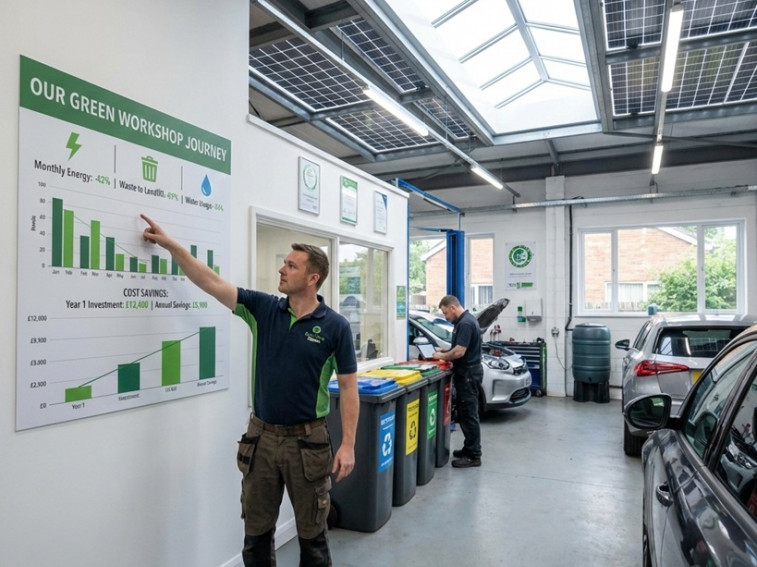
A workshop's biggest running costs often come from heating, cooling, and lighting the workspace. Applying sustainable garage practices means actively seeking ways to use less energy while maintaining high productivity and safety standards. Cutting down on electricity usage directly reduces your overheads, making the refurbishment of a Category S car or a fleet of trucks even more profitable. Consider a comprehensive energy audit to identify your biggest consumption points.
Lighting Up Your Workspace
Switching from old fluorescent or halogen tubes to modern LED technology offers the fastest return on investment in energy saving. LEDs use a fraction of the power, last exponentially longer, and provide cleaner, brighter light, improving safety and precision during repairs. Install motion sensors in areas like storage rooms, tool cribs, and washrooms, ensuring lights are only active when staff are present. A bright, energy-efficient garage is a sign of a modern, forward-thinking business.
Optimising Tool and Equipment Usage
Air compressors, welders, and diagnostic machines are essential but can be energy hogs if not properly maintained. Check air lines regularly for leaks, as a small, unnoticed leak can force a compressor to run continuously, wasting huge amounts of power. Power tools and lifting equipment should be regularly serviced to ensure they operate at peak efficiency rather than drawing unnecessary current. For dealers managing multiple regional sites, centralising equipment management can yield significant savings.
Adopting Sustainable Garage Practices
True sustainability goes beyond simple waste disposal and includes everyday operational choices, from cleaning protocols to document storage. Every action within your workshop should be viewed through a lens of resource minimisation and reuse. These small changes, when implemented consistently, are what truly define sustainable garage practices for building a greener workspace.
Water Conservation and Cleaning Methods
Minimise water usage by switching to high-pressure, low-flow washing systems for vehicles, rather than traditional hosepipes. Where possible, use waterless cleaning products or biodegradable detergents for floors and workbenches to prevent harmful chemicals from entering the local water system. If you manage an office alongside your garage, consider installing water-saving taps and ensuring that any leaks are repaired immediately, saving both water and money.
Digitalisation of Records and Processes
Reduce your reliance on paper by shifting to digital records for invoicing, repair estimates, and stock management. All internal tracking can be electronic. This not only saves on paper and printing costs but also makes records easier to search, track, and secure. A digital approach enhances the professionalism of your overall business operation.
Building a Greener Workspace
Your building itself provides the largest opportunity for long-term sustainability and cost reduction. Investing in the fabric of the building, its structure and how it manages temperature, is critical when you want to build a greener workspace. These structural improvements provide lasting relief from high energy bills.
Insulation and Temperature Control
Proper insulation for the roof, walls, and workshop doors is vital to stop heat loss during colder months, reducing the reliance on costly heaters. Consider installing large windows or skylights where appropriate to maximise natural light, thereby reducing the need for electric lighting during the day. For workshops with suitable roof space, installing photovoltaic cells (solar panels) can generate a significant portion of your required electricity, providing a powerful long-term economic and environmental benefit.
Choosing Eco-Friendly Materials for Repairs
When repairing salvage vehicles, make conscious choices about the materials you use. Opt for low-VOC (Volatile Organic Compound) paints and solvents, which release fewer toxic fumes into the air and workspace. Where possible, choose aftermarket parts from manufacturers who prioritise sustainable production and recycled materials. Sourcing parts locally can also cut down on transport emissions, making the entire repair chain more responsible.
Sourcing Sustainable Vehicles for Your Stock
Sustainability isn't just about how you fix vehicles, but also the lifecycle of the vehicles you buy. Auctions, particularly those with a focus on salvage, play a crucial role in the circular economy by giving vehicles a second life. By giving careful consideration to your purchases, you can enhance your ability to build a greener workspace that processes high-value, sustainable stock through online vehicle auctions.
The Role of Salvage Categories in Recycling
Salvage cars prevent hundreds of thousands of vehicles from being immediately scrapped, extending their useful life either through repair or strategic parts harvesting. Category N and Category S cars are invaluable for recycling, as their repair provides affordable transportation options. Even Category B vehicles contribute by offering high-quality, reusable components that reduce the demand for new manufacturing. This practice is essential for maintaining a truly sustainable operation and is facilitated by platforms listing high volumes of salvage vehicles available through browse all cars categories.
Finding Electric and Hybrid Vehicles at Auction
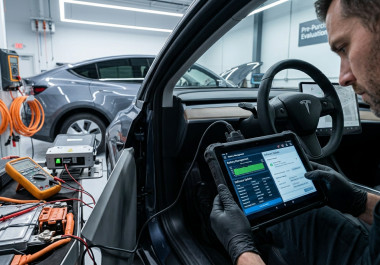
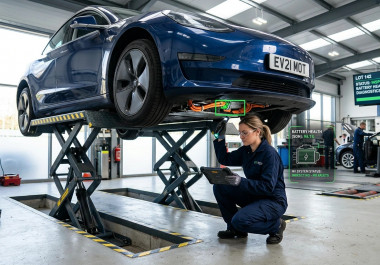
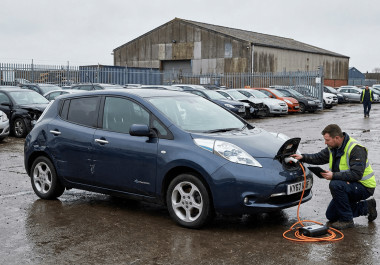
The shift to electric vehicles (EVs) means you'll find an increasing number of hybrids and full-electric cars at auctions. These vehicles often represent a new opportunity for repairers and dealers to specialise in future-proof technology. Buying these vehicles at auction allows you to bring greener options to the market at a more affordable price point. A dealer who specialises in accident-damaged EVs can achieve excellent profits by aligning their business with the future of sustainable motoring. By using sustainable garage practices, repair processes can be as green as the vehicles being serviced.
For those interested in smaller sustainable transport options, two-wheeler auctions offer electric scooters and motorbikes that require less complex repair infrastructure while still contributing to emissions reduction goals.
Ready to source sustainable vehicles and implement these practices? Sign up today to access comprehensive auction listings and start building your greener workspace.