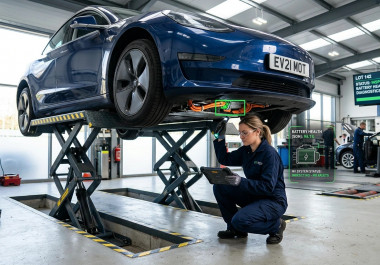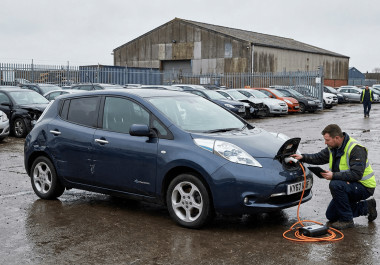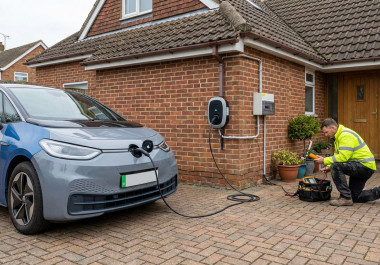
Deciding to list salvage car assets or vehicles that are damaged, seized, or at the end of their life can feel overwhelming. Fortunately, specialist auction houses simplify the process dramatically. Whether you are an insurance company, a fleet manager, or a private seller, a dedicated salvage auction puts your vehicle in front of thousands of ready-to-buy professionals.
To get the best price, your preparation is just as important as the vehicle's condition. By following professional guidelines, you can easily grab the attention of the UK’s most active buyers.
Deciding If Auctioning Your Vehicle is the Right Choice
Auctions offer a fast, transparent way to turn damaged or unwanted vehicles into cash. Unlike private sales that can drag on for weeks, an auction gives you a clear closing date. It also guarantees your vehicle is seen by a targeted audience ready to bid across all vehicle auctions.
This method is especially helpful for vehicles that don't fit the normal retail market. Ultimately, your decision to sell should come down to speed. It's the best way to reach specialist buyers looking for salvage and non-running stock.
When Selling a Salvage Vehicle Makes Financial Sense
Sometimes, selling through a salvage auction is simply the smartest financial choice. This is true if an insurance company writes off your vehicle, or if repair costs exceed its market value.
Going to auction saves you from wasting time negotiating with general buyers. Everyday buyers often don't understand the true value of a vehicle's usable parts or structural components.
Professional dismantlers and mechanics, however, are always looking for these vehicles. This highly competitive bidding environment pushes the price up to reflect the true value of the components.
Understanding Different Vehicle Categories for Disposal
When you choose to list salvage car inventory, you must understand its official category. This category tells you exactly who will want to buy it.
For example, a vehicle with Category S structural damage appeals to specific buyers. They usually want it for chassis repair work or to strip out high-value parts. In contrast, a Category N vehicle has non-structural damage. This attracts buyers looking for simple repairs and a quick return to the road.
Knowing the correct category helps you set an accurate salvage auction reserve price. It's a vital part of the platform's transparent process, helping you achieve optimal pricing based on clear facts.
The Essential Steps to Prepare Your Listing
The difference between a decent sale price and a fantastic one comes down to how well you prepare. Simply put, following good vehicle listing tips makes a huge difference.
Listing a car means providing solid evidence of its condition. The clearer and more detailed your information is, the more buyers will trust you. A transparent, honest listing attracts serious buyers who feel confident enough to place competitive bids.
Gathering Key Vehicle Documentation
First, gather all your paperwork before you create the listing. Having your documents ready ensures a smooth ownership transfer and boosts buyer confidence.
The most important document is the V5C logbook documentation, which you need for most sales. You should also gather any service history records. Even for a salvage vehicle, a good service history proves the mechanical parts were well looked after.
Don't forget to include paperwork related to the damage, like insurance reports or police documents. Having this ready cuts down on admin work later. For commercial sellers, a full service history is highly valuable to professional fleet buyers.
Presenting the Vehicle Honestly and Clearly
High-quality, honest photos are the most crucial part of your auction listing. Since buyers can't inspect the vehicle in person, your pictures are their only guide.
Make sure to photograph the vehicle from every angle. Include the front, rear, both sides, the interior, and clear close-ups of any damage. If the vehicle has Category S structural damage, provide detailed pictures of the chassis to satisfy professional bidders.
Keep your images well-lit, sharp, and focused on any defects, rust, or missing parts. You must also write an accurate description covering the mileage, known faults, and exact damage. Complete honesty builds trust and encourages bidders to offer top prices based on facts, not guesswork.
Mastering the RAW2K Listing Process
The RAW2K platform is built to make selling simple. You can easily upload your asset details and quickly get them in front of the right buyers.
If you need help, the support team is always ready to assist. By using these core vehicle listing tips, you can speed up the entire disposal timeline.
The platform perfectly balances quick sales with getting a high return. Buyers nationwide use this system to find everything from standard cars to niche stock in vehicle auctions in the North West.
Setting the Reserve Price Strategically
A salvage auction reserve price is the minimum amount you are willing to accept. Setting this number correctly is a bit of an art.
If your reserve is too high, the vehicle might not sell. If it's too low, you risk losing money. Thankfully, auction experts can help you price the vehicle based on its make, model, category, and current market demand. This expert advice helps you secure a competitive price while protecting your minimum value.
For instance, a fleet company needing a quick sale might set a lower competitive reserve. A private seller with more time might aim slightly higher. The goal is to encourage competitive bidding without scaring people off.
How to Submit Your Vehicle for Auction
To effectively list salvage car inventory or any other asset, you first need to register with the auction provider. After that, you'll use a simple online form to upload your photos and documents.
Next, the auction team will review your submission. They verify the details and assign your vehicle to the best possible auction for maximum exposure.
Once accepted, the platform handles all the marketing to thousands of professional and private buyers. Providing an accurate, detailed submission right away will get your vehicle listed much faster.
Finalising the Sale and Collection Logistics
Once the bidding ends and your salvage auction reserve price is met, the sale is finalised. You are now in the completion phase.
At this point, the buyer has a strict deadline to make their payment. They also need to confirm exactly how and when they will collect the vehicle. The entire process is streamlined so you receive your funds quickly and the vehicle is removed without hassle.
Handling Post-Auction Paperwork and Payment
The platform uses a highly secure payment process. This ensures all funds are verified before the buyer can take the vehicle.
After a successful payment, you must complete the final paperwork. As the seller, you need to fill out the V5C logbook documentation to notify the DVLA of the change of keeper or disposal. The support team is there to help you do this legally and correctly.
Professional auction disposal is highly efficient. Whether you are selling salvage cars or lots in motorcycle auctions, this fast process means the vehicle is off your hands quickly.
Arranging Vehicle Handoff and Removal
It is the winning buyer's job to arrange collection from the agreed location or regional compound. Because most salvage vehicles don't run, they usually require special recovery transport.
As the seller, you simply need to provide clear access for the recovery truck at the scheduled time. If you run into any issues during collection, the team is always ready to help coordinate. Don't hesitate to contact us to finalise your logistics.
Conclusion
Providing complete, honest, and high-quality details is the best way to list salvage car assets. It attracts the right bidders, secures the highest sale price, and saves you time and administrative effort.
To join the platform and explore the marketplace, register for salvage auctions today.