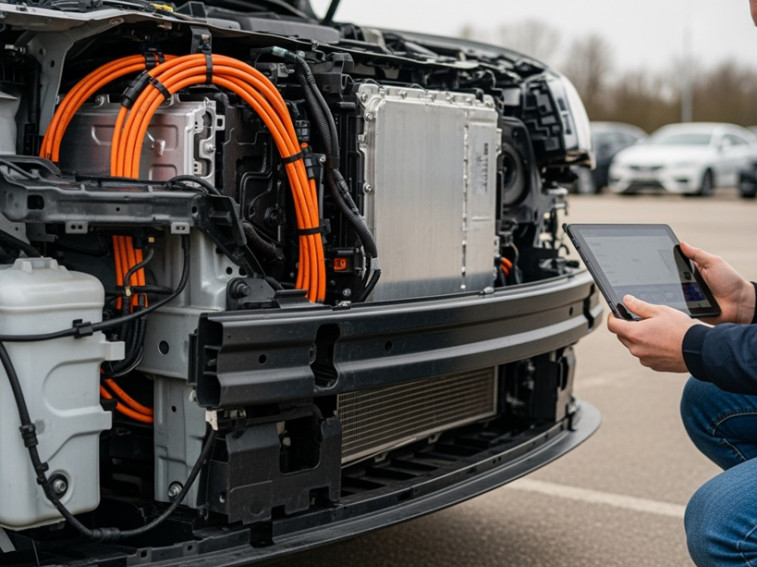
Electric vehicles are entering salvage auctions at rates that were difficult to predict five years ago. Battery damage, collision repairs deemed uneconomical by insurers, and the sheer complexity of EV systems mean more electric vehicle salvage hits the market every month. This creates opportunity for those who know what they are looking for.
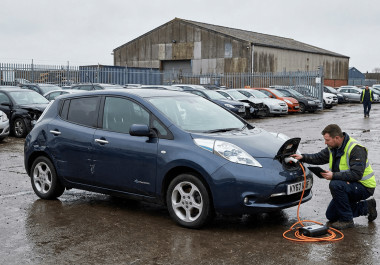
Dealers have been observed securing vehicles like the Tesla Model 3 with front-end damage for significantly less than market value. Weeks later, these vehicles are often back on the road after parts were sourced from specialist recyclers and qualified EV technicians handled the work. However, buyers have also been burned; purchasing a Nissan Leaf without checking the battery health report can lead to discovering a pack degraded to 60% capacity, rendering the car nearly worthless.
Buying electric vehicle salvage is not like buying a petrol vehicle. The stakes are higher, the specialist knowledge runs deeper, and the potential savings, or losses, are amplified. This guide walks through the process, from understanding salvage categories to evaluating battery health, to ensure confidence when you buy electric vehicle salvage.
Why Electric Vehicle Salvage Auctions Are Growing Fast
Insurance companies write off EVs more readily than conventional vehicles. The reason is usually high-voltage systems and specialist repair requirements. Even moderate collision damage can trigger an insurance total loss if the battery casing is compromised or if repair costs exceed 60-70% of the vehicle's pre-accident value.
This does not mean the car is a write-off in practical terms. Many Category N and Category S electric vehicles retain significant value, especially if the battery and drivetrain remain intact. However, insurers are not in the business of managing complex EV repairs, so these vehicles end up at salvage auctions. Buyers can view Category N electric cars to find repairable examples that often require only bolt-on panels or suspension work.
The result is a growing inventory of electric vehicle salvage available to trade buyers, mechanics with EV training, and project car enthusiasts willing to do their homework. Opportunities exist now that simply were not available a decade ago.
Understanding Salvage Categories for Electric Vehicles
EV salvage categories work the same as for petrol or diesel vehicles, but the implications differ.
Category N (Non-Structural Damage) The vehicle's structural integrity remains sound. Damage might include cosmetic issues, electrical faults, or non-critical component failures. For an EV, this could mean damaged charging equipment, minor collision damage that did not affect the battery, or interior damage from water ingress. Category N EVs are often the safest bet. Without bent chassis rails or compromised crumple zones, repair costs stay manageable, assuming parts can be sourced and EV-specific systems handled.
Category S (Structural Damage) The vehicle's structure has been damaged but can be repaired to roadworthy condition. For an EV, this might involve damage to the battery mounting points, chassis rails, or critical load-bearing components. Repairs require specialist knowledge and proper certification. A Category S electric vehicle is repairable, but battery pack alignment and high-voltage cable routing are not tasks for the inexperienced.
Category B and A These vehicles are for parts or scrap only and cannot legally return to the road. For those buying for parts, particularly battery modules, motors, or inverters, these categories might be of interest.
What Makes EV Salvage Different from Conventional Vehicles
Buying electric vehicle salvage introduces complications not faced with petrol or diesel vehicles.
-
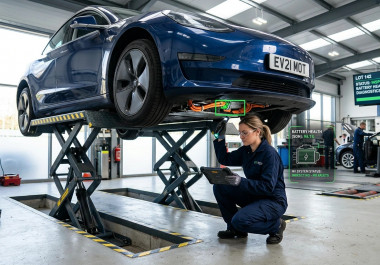
High-Voltage Battery Systems: EVs operate at 400-800 volts. Any repair work involving the battery, motor, or charging system requires specialist training and equipment. High-voltage battery systems demand strict safety protocols to prevent fatal injuries.
-
Battery Health and Degradation: An EV's battery pack is its most valuable component and the one most prone to degradation. A 10-year-old vehicle might have lost 30% of its original capacity, affecting range and resale value.
-
Parts Availability: EV-specific components, such as battery modules, inverters, and charging ports, are not always easy to source. Some manufacturers restrict parts sales to authorised repairers.
-
Software and Diagnostics: Modern EVs rely on complex software systems. Diagnosing faults often requires manufacturer-specific diagnostic tools. A battery management system error might prevent the car from charging, even if the hardware is fine.
-
Insurance and Certification: Repairing a Cat S EV to roadworthy condition often requires certification from an IMI-accredited EV technician. Insurers want proof that high-voltage systems have been properly repaired and tested.
How to Evaluate an Electric Vehicle Before Bidding
Proper evaluation requires a methodical approach and access to the right information.
Check the Listing for Battery and Damage Details Auction listings for EVs should include critical details about the battery pack and damage extent. Look for the Battery State of Health (SoH) percentage, which indicates how much capacity remains compared to when the car was new. Anything above 85% is decent, while below 70% raises red flags.
Check the damage description carefully. Is the battery pack compromised? Are high-voltage cables damaged? Mileage and age also matter; higher mileage and older vehicles typically show greater battery degradation. If the listing does not include battery health data, consider the potential battery replacement cost before bidding.
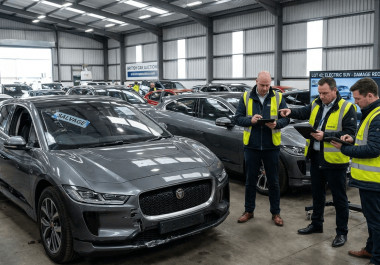
Analysing Vehicle Imagery and Reports Online platforms provide high-resolution images that act as your primary inspection tool. Zoom in on the undercarriage photos to check for dents, cracks, or punctures in the battery casing, as this can indicate serious structural issues. Look for orange high-voltage cables; if they appear frayed or cut, specialist repair work will be required.
Inspect the charging port photos for signs of corrosion or impact damage. It is also vital to review any available dashboard images for warning lights. Online auction platforms like RAW2K provide detailed condition reports that allow buyers to assess these factors remotely without needing to visit a physical location.
Request Diagnostic Reports Some auction platforms provide diagnostic reports for EVs, including battery health data and fault codes. These reports reveal current battery capacity, the number of charge cycles, and fault codes logged in the battery management system.
Bidding Strategies for Electric Vehicle Salvage
Bidding on EV salvage follows the same principles as conventional vehicles, but calculations must adjust for EV-specific costs.
Set a Maximum Bid Based on Repair Costs Calculate the maximum bid by working backwards from the vehicle's post-repair value. Factor in the battery replacement cost if the pack is questionable, along with specialist labour costs (EV technicians often charge higher rates), parts sourcing difficulties, and inspection fees. If repair costs cannot be accurately estimated, it is safer not to bid. Buyers can browse salvage electric vehicles to compare current pricing trends before committing.
Use Proxy Bidding Auction environments can be intense. Set a proxy bid on the online auction platform to handle the process. The system will bid up to the maximum without getting caught in a last-minute bidding war.
Research Comparable Sales Check recent hammer prices for similar EVs at auction. Establish a benchmark for vehicles with similar battery health and damage profiles to avoid overpaying.
Common Pitfalls When Buying EV Salvage
Even experienced buyers make mistakes with EV salvage.
-
Underestimating Battery Replacement Costs: If the battery has failed, the replacement cost can run into the thousands, often exceeding the car's worth. Always get a scrap valuation for the battery or vehicle to understand the worst-case scenario.
-
Ignoring Software Issues: Some EVs with accident damage develop software faults that prevent charging. Diagnosing and fixing these issues requires specialist equipment.
-
Overlooking Parts Availability: Not all EV parts are readily available. Some manufacturers restrict parts sales, and long lead times can render a project stagnant.
-
Failing to Check Insurance: Some insurers will not cover Category S electric vehicles. Check insurance availability before bidding.
-
Buying Flood-Damaged EVs: Water and high-voltage systems do not mix. Flood-damaged EVs often develop corrosion in the battery pack, leading to expensive faults months later.
Legal and Safety Requirements for EV Salvage Repairs
Repairing a salvage EV involves strict legal and safety obligations.
High-Voltage Work Requires Certification Anyone working on an EV's high-voltage systems should hold an IMI Level 3 certification or equivalent. This includes disconnecting or reconnecting the battery pack, repairing high-voltage cables, or replacing motors and inverters. Without this expertise, the risk is significant.
Re-registration and VIC Inspections When repairing a Cat S or Cat N EV, the DVLA must be notified of the salvage category. Cat S vehicles require a Vehicle Identity Check (VIC) before re-registering. Evidence of professional repairs, especially for high-voltage systems, is often required.
Battery Disposal and Recycling If replacing a damaged battery pack, legal disposal is mandatory. EV batteries are classified as hazardous waste and must be handled by a licensed EV battery recycler or authorised dealer.
Where to Find Electric Vehicle Salvage Auctions
Online auction platforms are the primary source for EV salvage. Users can search damaged EV stock using specific filters for fuel type and damage category. Insurance companies and fleet operators are also key sources, often listing late-model EVs with low mileage but repairable damage.
From collection points in Preston to Northampton, inventory is accessible via regional hubs, allowing buyers to source vehicles closer to home to reduce transport costs. Users can view auction locations to find the nearest collection point for their region.
Conclusion
For the right buyer, electric vehicle salvage offers genuine profit potential. Access to qualified EV technicians, parts sources, and battery health knowledge allows trade buyers to capitalise on this market. However, without IMI Level 3 certification or proper training, caution is advised.
If specific questions arise regarding vehicle listings or the registration process, buyers can contact our support team for assistance. Ready to start bidding? Create a bidding account to access the platform and set up proxy bids on vehicles that meet specific criteria.