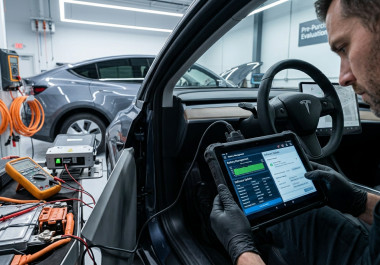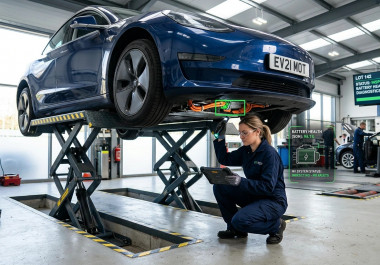
The automotive industry is undergoing a profound transformation, driven by global and local commitments to environmental responsibility. For professional dealers, mechanics, and even private buyers, understanding this shift is essential for smart sourcing and future planning. We recognise that sustainable practices are no longer optional but a central pillar of the modern vehicle market. The demand for sustainability in salvage operations is fundamentally transforming how dealerships and repair centres view vehicle sourcing. This development is creating new opportunities for efficient recycling, value extraction, and ethical business growth.
The Global Push for Green Vehicle Practices
Governments and international bodies are tightening regulations to minimise the environmental footprint of vehicles throughout their entire lifecycle. This push is moving far beyond just electric vehicles and now focuses heavily on how internal combustion engine (ICE) and written-off cars are processed. Professional buyers must adapt their business models to align with these stringent standards, which reward resourcefulness and responsible waste management. Ultimately, this ensures the automotive trade contributes positively to the UK's overall environmental targets.
Regulatory Changes and UK Standards for End-of-Life Vehicles
The UK's commitment to reducing waste is encapsulated in strict End-of-Life Vehicle (ELV) Directives, which mandate high recycling and reuse rates. Authorised Treatment Facilities (ATFs) must ensure that 85% of an ELV's weight is recovered and reused, a target set to increase soon. This regulatory pressure funnels more attention towards the component parts of written-off vehicles, increasing their intrinsic value at auction. The result is a shift where even heavily damaged cars become vital sources for vehicle parts recycling.
Consumer Demand for Responsible Sourcing
Today's consumers, both private and commercial, are increasingly conscious of the environmental impact of their purchases. They often prefer to support businesses that demonstrate clear commitment to green practices and ethical sourcing. This preference means that dealerships offering repair work or used vehicles derived from salvaged components with documented histories gain a significant competitive edge. Transparency regarding the vehicle's journey and the use of recycled parts builds crucial trust with the end buyer.
The Role of Salvage Auctions in the Circular Economy
Salvage vehicle auctions are perfectly positioned to act as a crucial link in the circular economy, extending the useful life of components and materials. Instead of vehicles being scrapped wholesale, the auction process enables the strategic recovery and reuse of valuable parts. This model dramatically reduces the amount of material sent to landfill and lessens the need for energy-intensive manufacturing of new components. By participating in UK salvage auctions, buyers become active contributors to a more sustainable automotive trade.
Maximising Value through Vehicle Parts Recycling
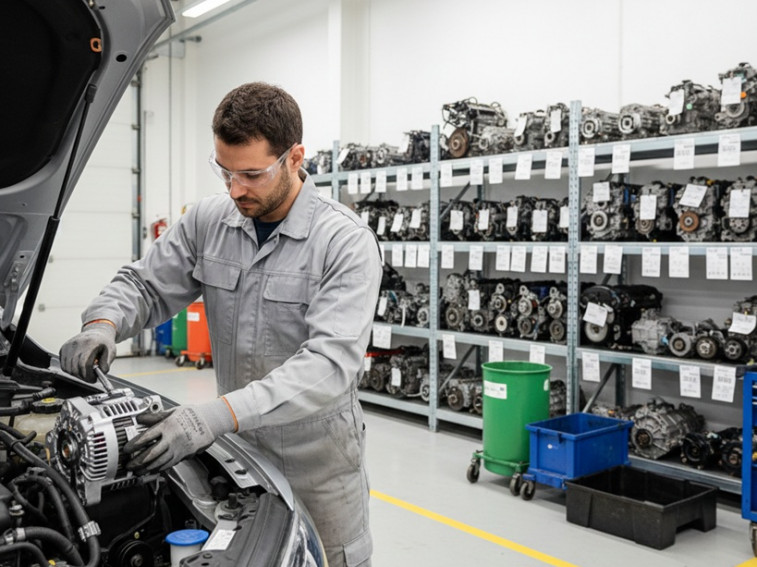
For the professional motor trade, the primary sustainable benefit of salvage comes from its potential for component recovery. A non-repairable car can yield engines, gearboxes, door panels, and electrical systems that can be cleaned, tested, and resold. The efficiency of vehicle parts recycling is essential for lowering the overall environmental burden of vehicle ownership in the UK. This dramatically lowers the cost of repairs for older vehicles, keeping them on the road longer and postponing the purchase of a new car.
Defining Sustainability in Salvage Operations
Genuine sustainability in salvage involves a rigorous process that prioritises decontamination and maximum material recovery. Before dismantling, all fluids, including oils, fuels, and coolants, must be removed and disposed of responsibly or recycled. Only after this initial environmental safety step can the high-value parts be removed for reuse. The remaining shell is then typically sent for advanced shredding and material separation, ensuring plastics, metals, and glass are recovered. This commitment to the environment is what defines genuine sustainability in salvage.
For instance, consider a family-run repair shop that purchases a Category N car with only front-end damage from an auction. Instead of scrapping the vehicle, the shop dismantles the undamaged rear doors, interior trim, and engine parts. They then use those components to fix three other similar models, saving their customers money and preventing new components from being manufactured. This practical reuse exemplifies the value created through sustainable sourcing at auction.
New Opportunities for Dealers and Repairers
The sustainable revolution in the automotive trade is not just about compliance; it's a significant commercial opportunity for smart dealers. Sourcing smart stock begins with accessing the widest range of written-off and used cars through damaged cars for sale. By focusing on green sourcing, businesses can reduce their inventory costs, offer better-value repairs, and market themselves as forward-thinking and eco-conscious.
Sourcing Eco-Friendly Salvage for Restoration
For professional buyers, sourcing eco-friendly salvage vehicles presents a substantial competitive advantage in the repair and resale market. By focusing on Category N or specific Category S cars, dealers can identify models where the cost of refurbishment is low relative to the car's market value. These vehicles often present the highest return on investment, as they can be restored and returned to the road with minimal environmental impact. The initial outlay is often significantly lower than buying a roadworthy vehicle, freeing up capital for necessary repairs and sustainable workshop practices.
Commercial Fleet Sustainability through Auction Buying
Commercial fleets have particularly strong drivers for sustainability in salvage, often needing to demonstrate their environmental credentials to clients and regulators. Sourcing light goods vehicles is a smart way to manage fleet costs whilst promoting reuse. Buying a lightly damaged van and restoring it rather than purchasing new stock is a powerful statement of commitment to the circular economy. This strategy reduces depreciation costs and allows businesses to maintain quality whilst adhering to green mandates.
Regional Auction Coverage Supporting UK Trade
Comprehensive regional auction coverage ensures that dealers and buyers have access to a continuous stream of stock. Having regional hubs for eco-friendly salvage through UK salvage auction centres minimises transport distances, which in itself is an important factor in reducing carbon emissions. Whether you're a dealer in the North East or a dismantler in Wales, this infrastructure makes sustainable sourcing practical and profitable. This widespread network allows local repairers to acquire necessary parts quickly, reducing vehicle downtime and promoting local business growth.
By offering detailed listings and transparent vehicle condition reports, buyers across the UK are empowered to make informed, responsible purchasing decisions. The availability of diverse vehicle types, from passenger cars to commercial fleets, ensures the circular economy model works efficiently at every level of the trade.
Securing a Sustainable Future in the Automotive Trade
The convergence of regulatory pressure, consumer ethics, and commercial opportunity means that sustainability in salvage is now central to the automotive trade. Leveraging the auction market for component recovery and refurbishment provides a clear path to cost-effectiveness and environmental compliance. By embracing these principles, you position your business for long-term success and contribute positively to the UK's green economy through RAW2K Vehicle Auctions.
Take the next step towards smart, sustainable sourcing today. Register to access salvage auctions and browse thousands of eco-friendly vehicles and components available across all categories.